 Ships USA-wide


 20% off MSRP Extra sale
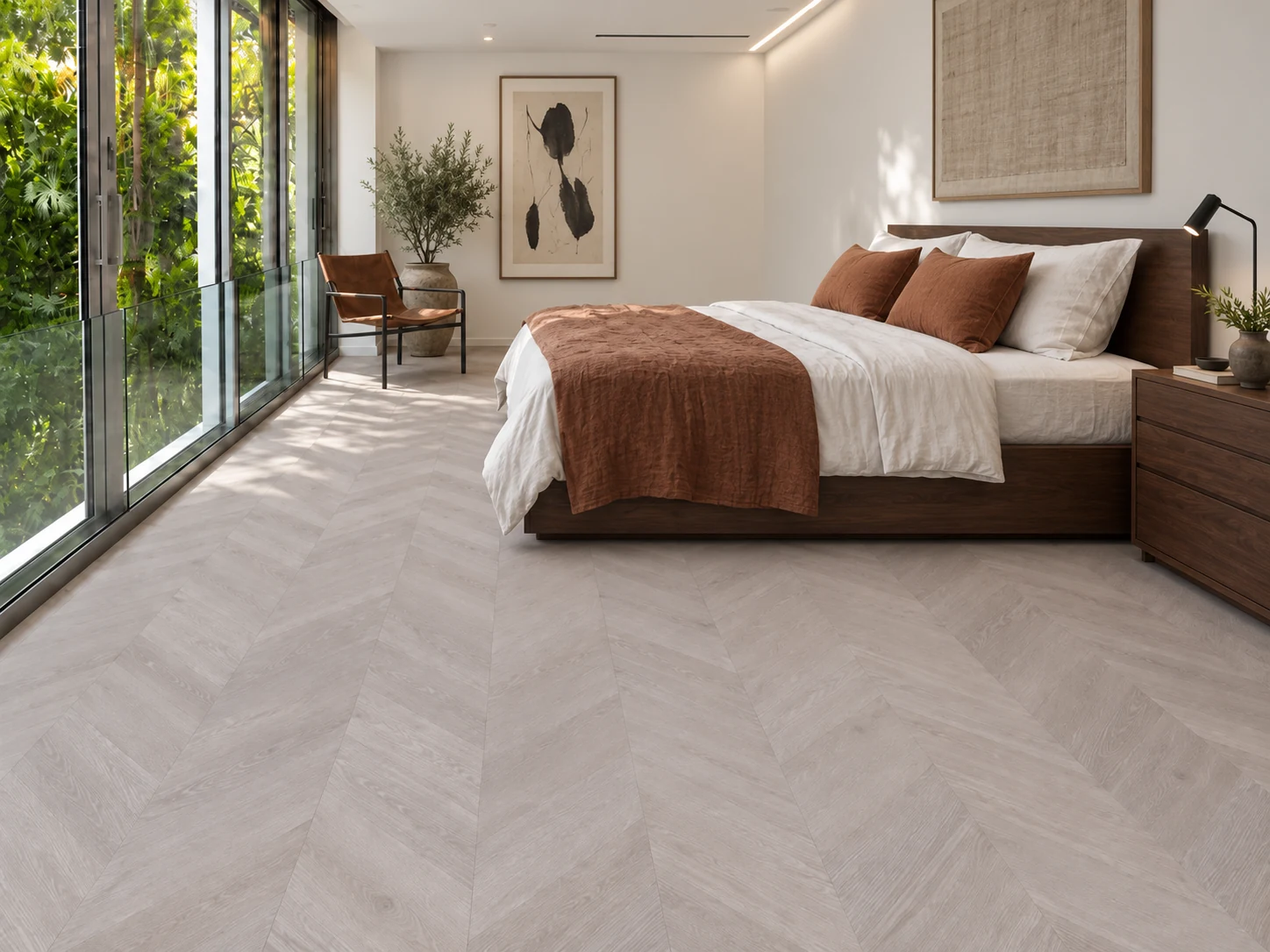
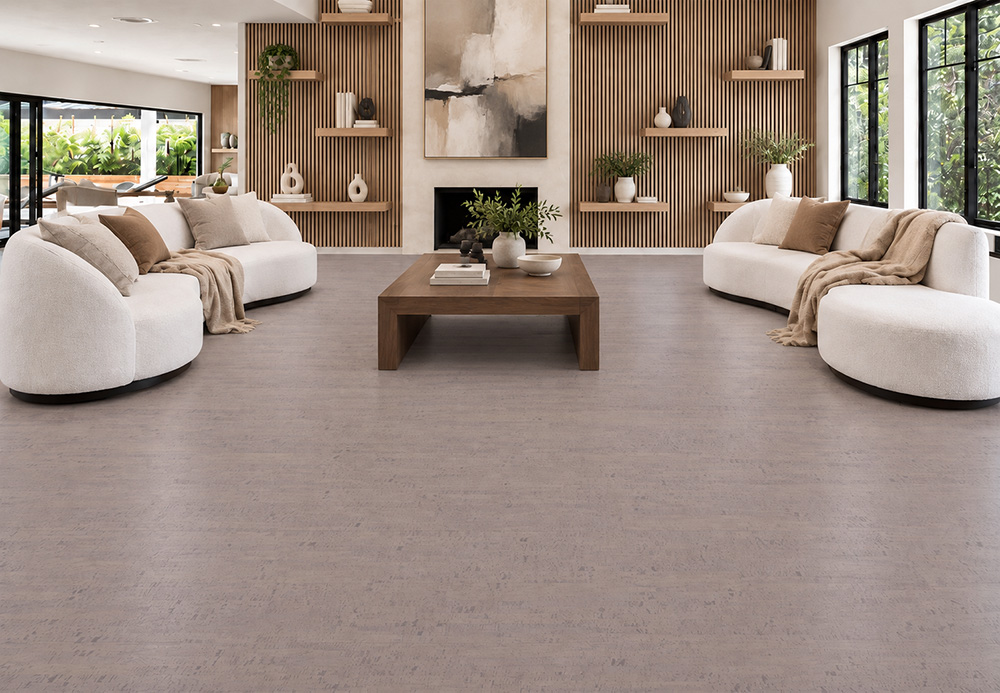
Clara Chevron
MSRP $8.59 $6.89 per sq.ft. USD
$139.66 / box 20.27 sq. ft.
Floating cork planks and glue-down cork tiles. Every floor shows its price per square foot and per box.
20% off MSRP Extra sale  18% off MSRP Extra sale
 24% off MSRP Extra sale
 28% off MSRP Extra sale
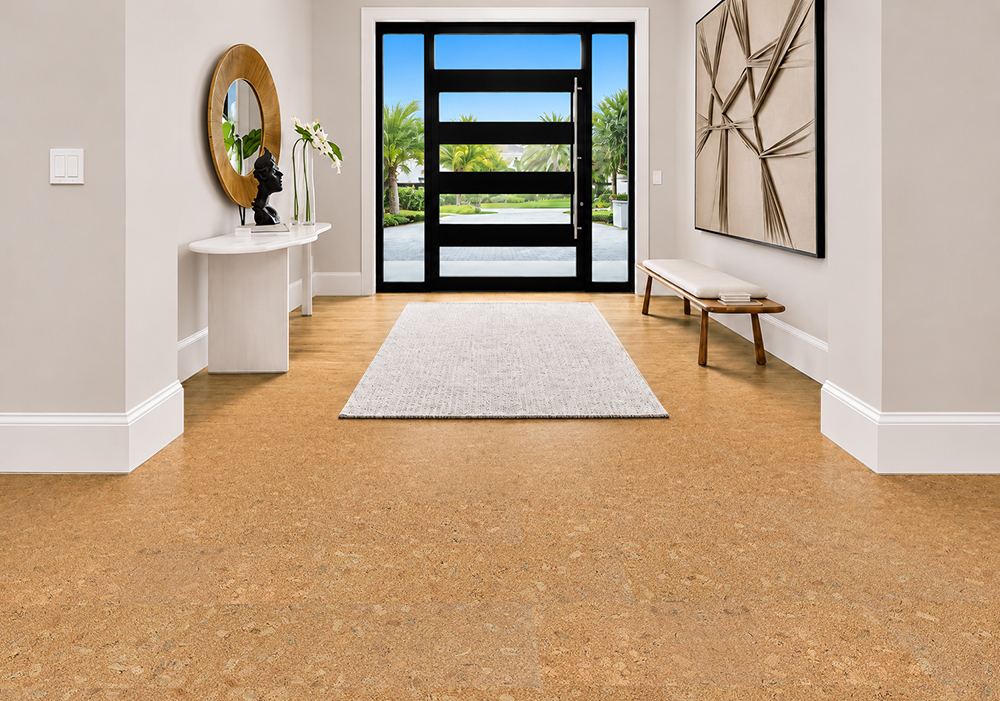 16% off MSRP Extra sale
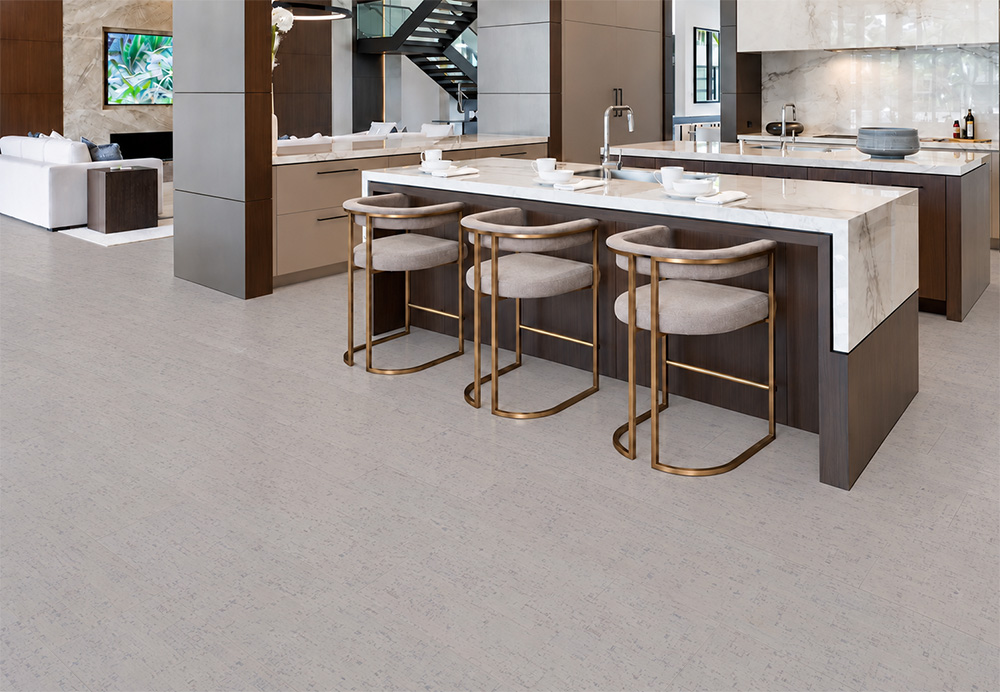 22% off MSRP Extra sale
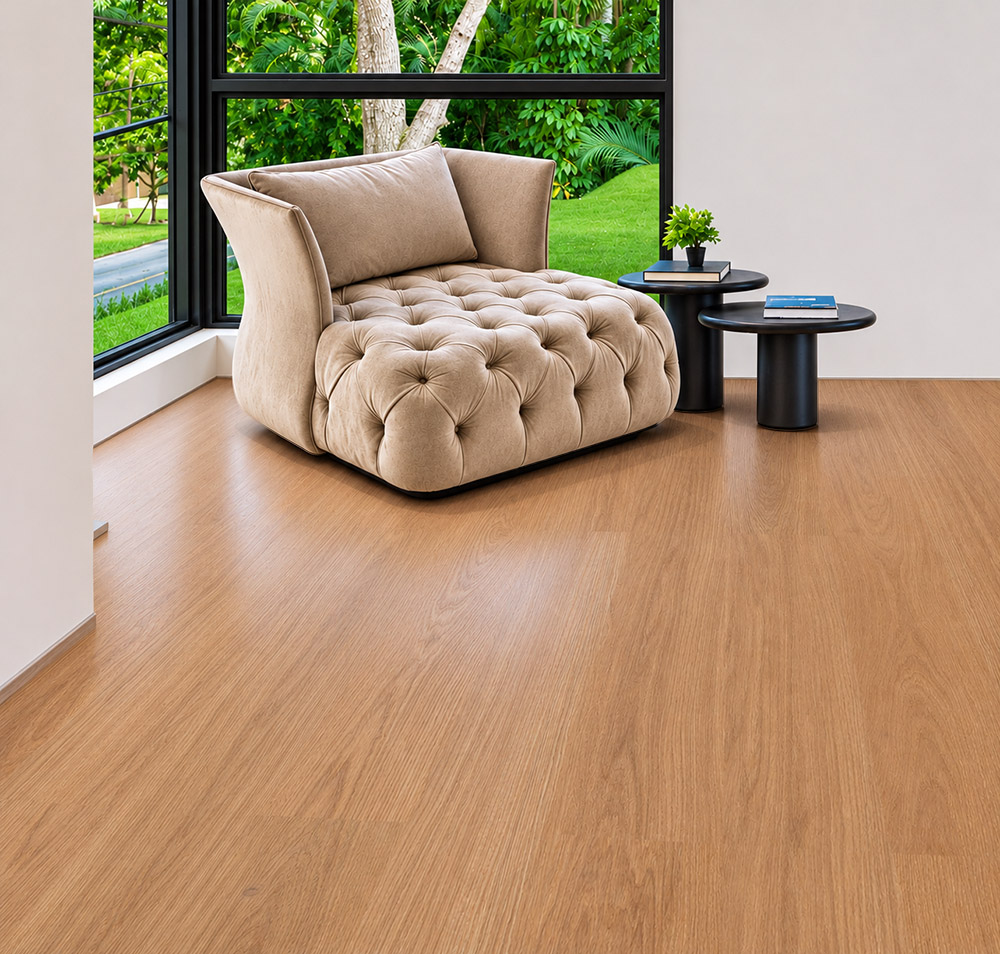 17% off MSRP Extra sale
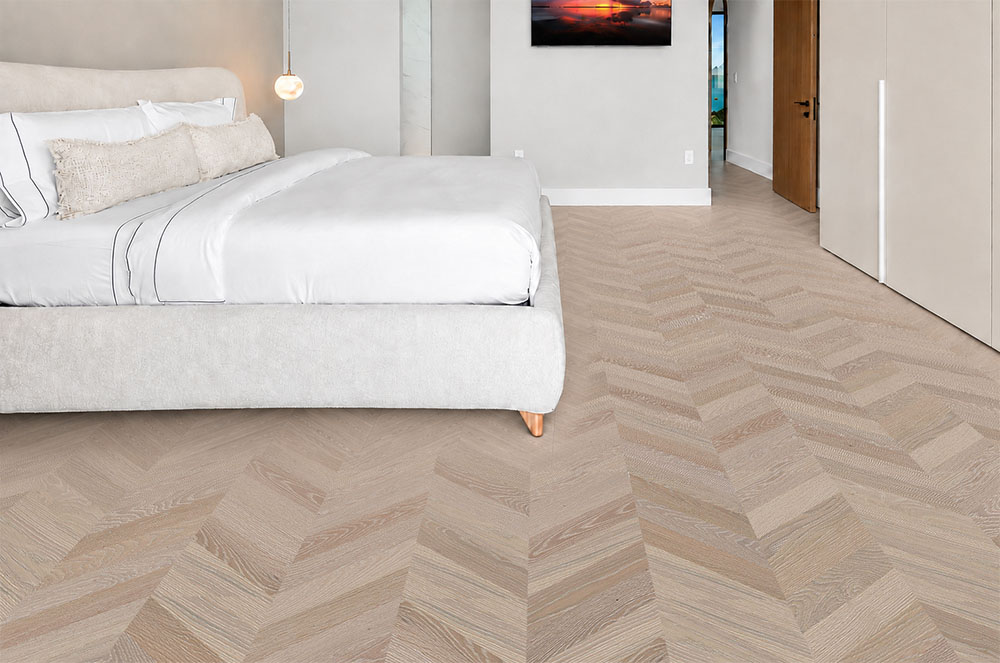 25% off MSRP Extra sale
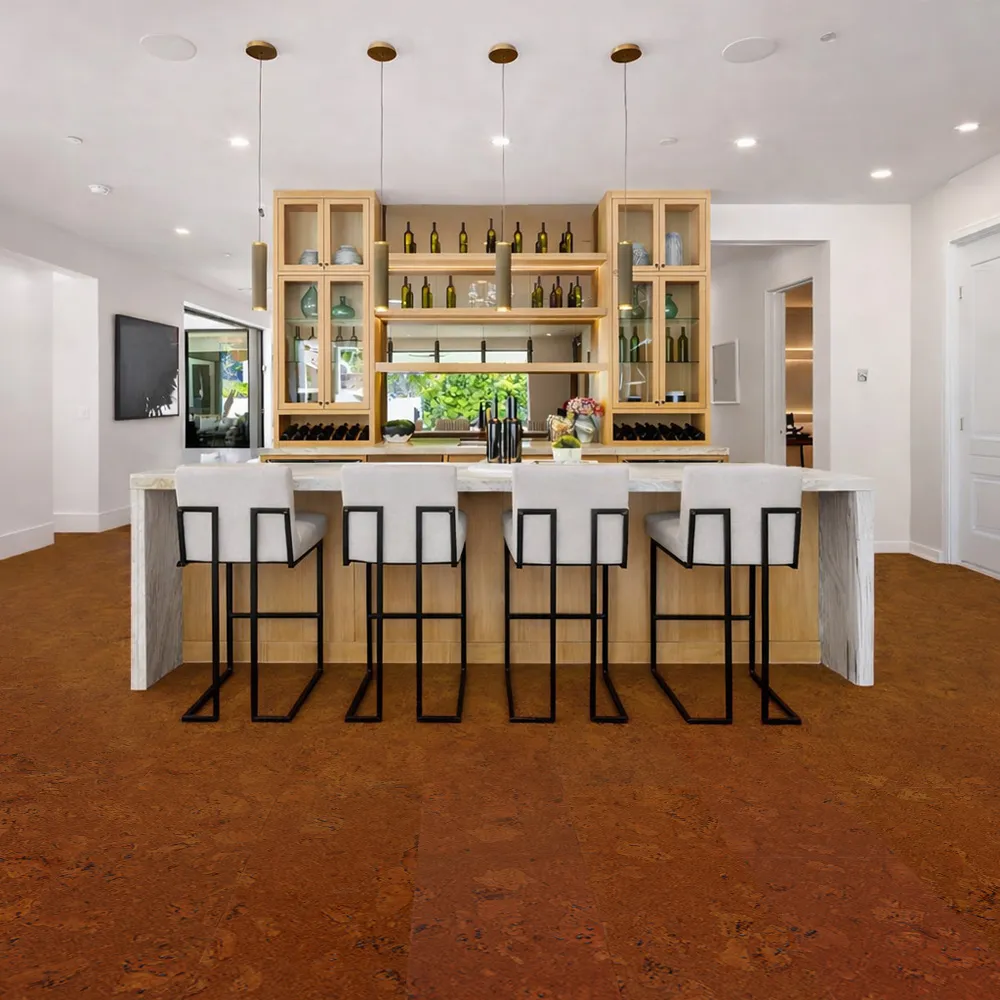 23% off MSRP Extra sale
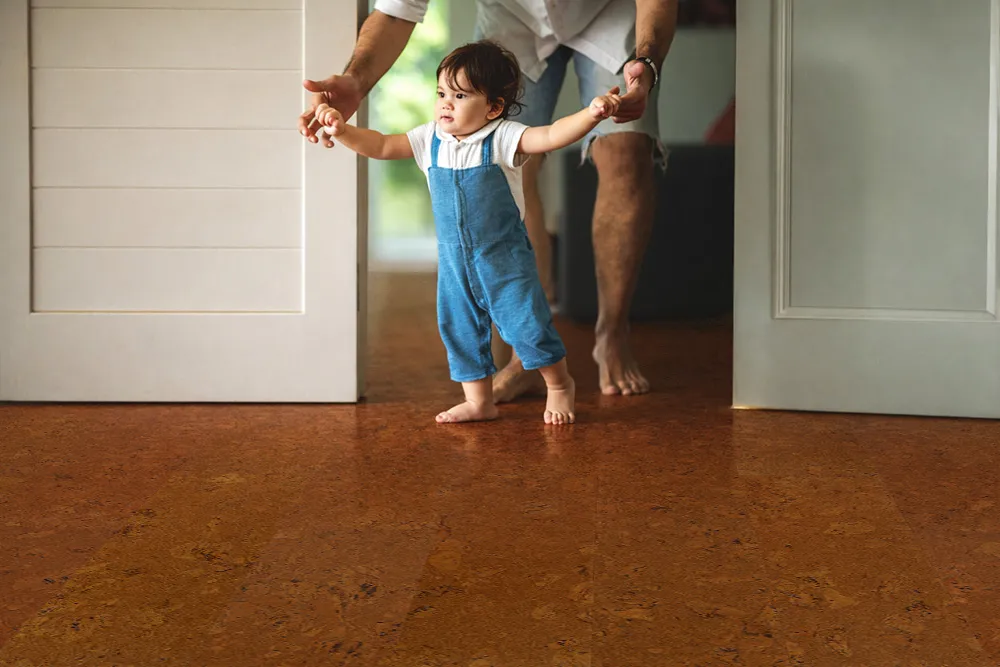 21% off MSRP Extra sale
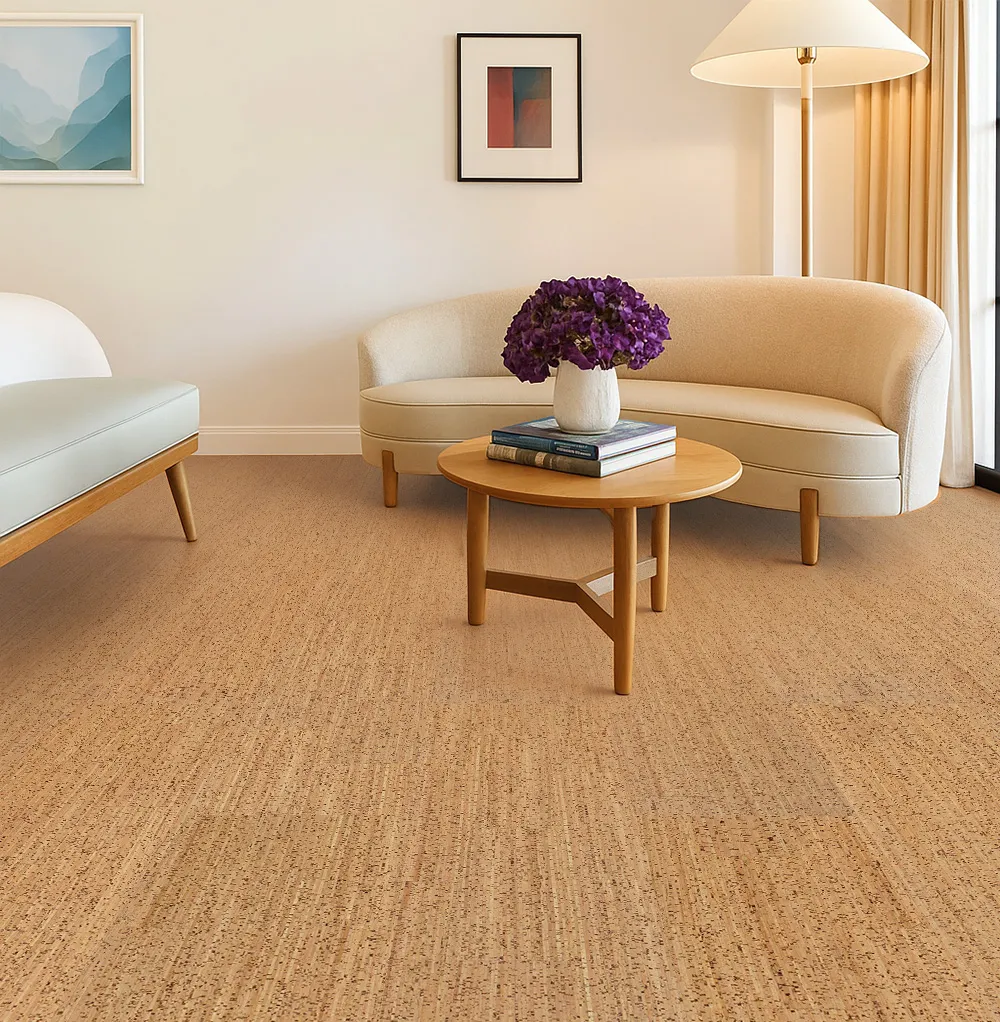 20% off MSRP Extra sale 25% off MSRP Extra sale 23% off MSRP Extra sale
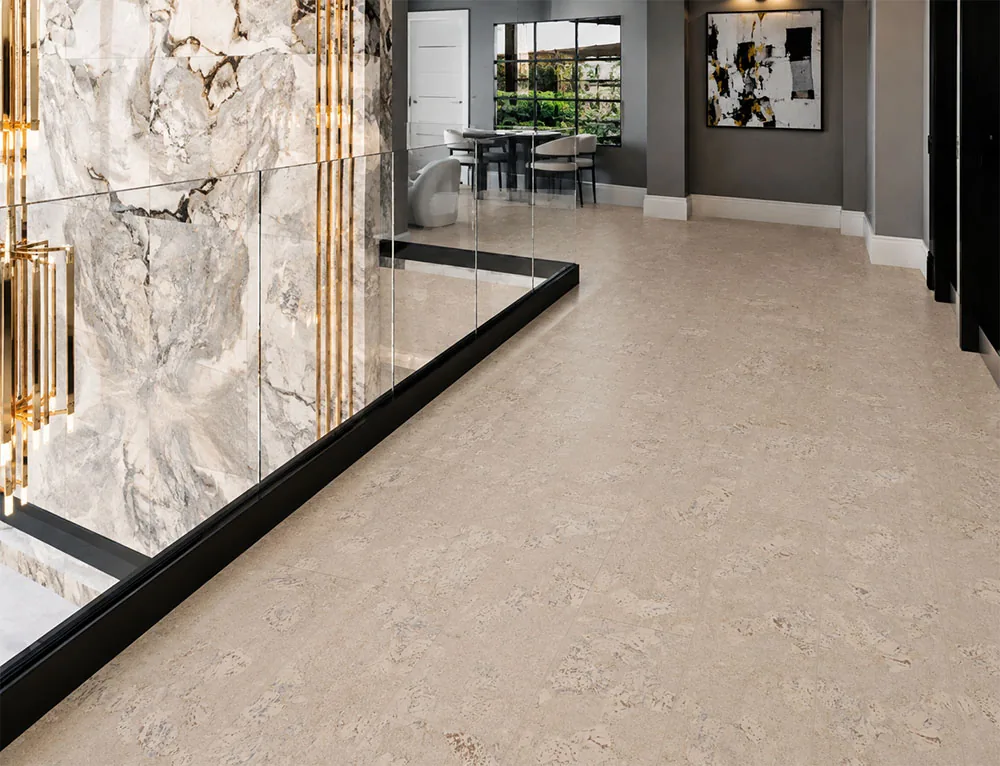 26% off MSRP Extra sale
 23% off MSRP Extra sale
 21% off MSRP Extra sale
 23% off MSRP Extra sale
 20% off MSRP Extra sale
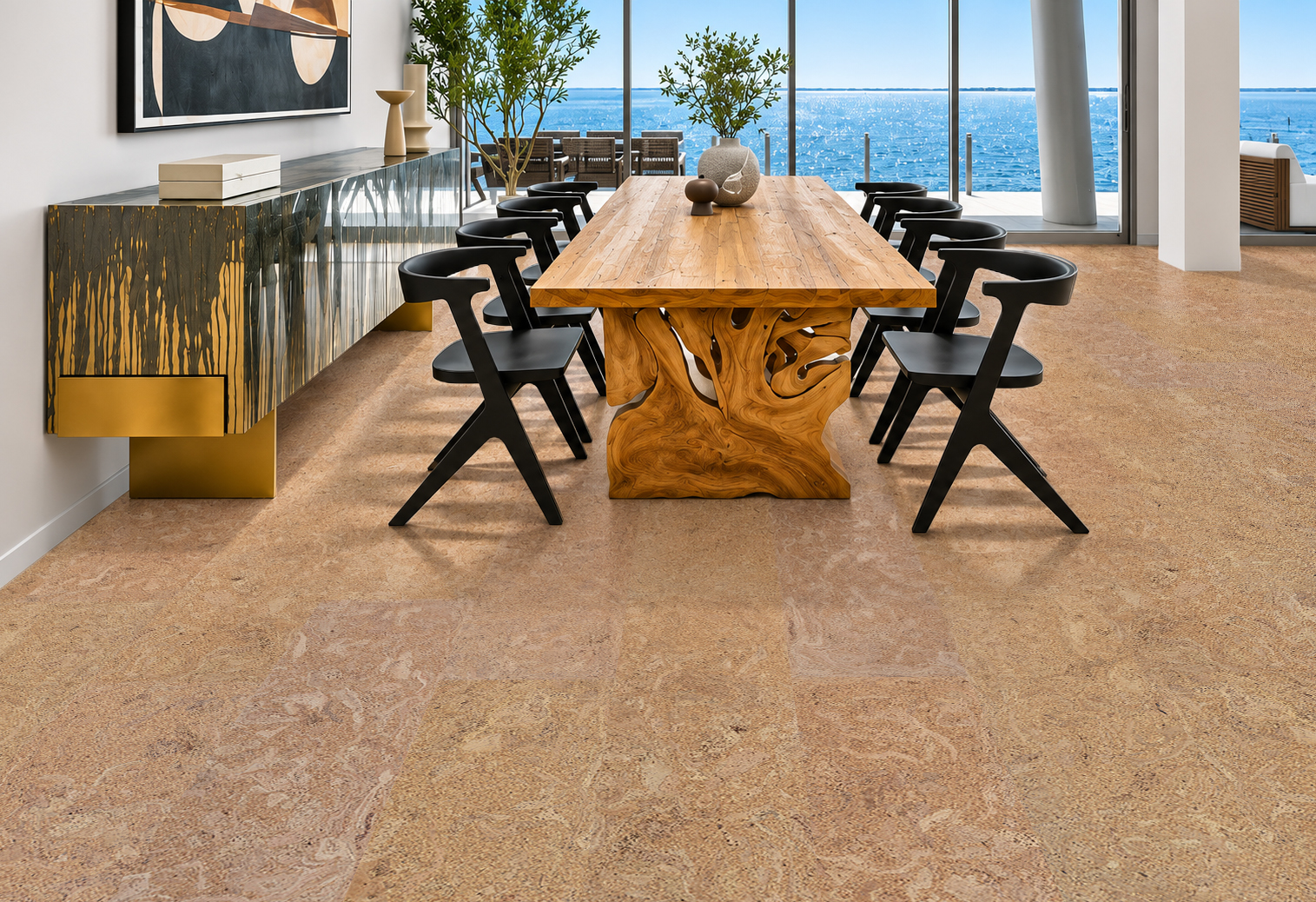 19% off MSRP Extra sale
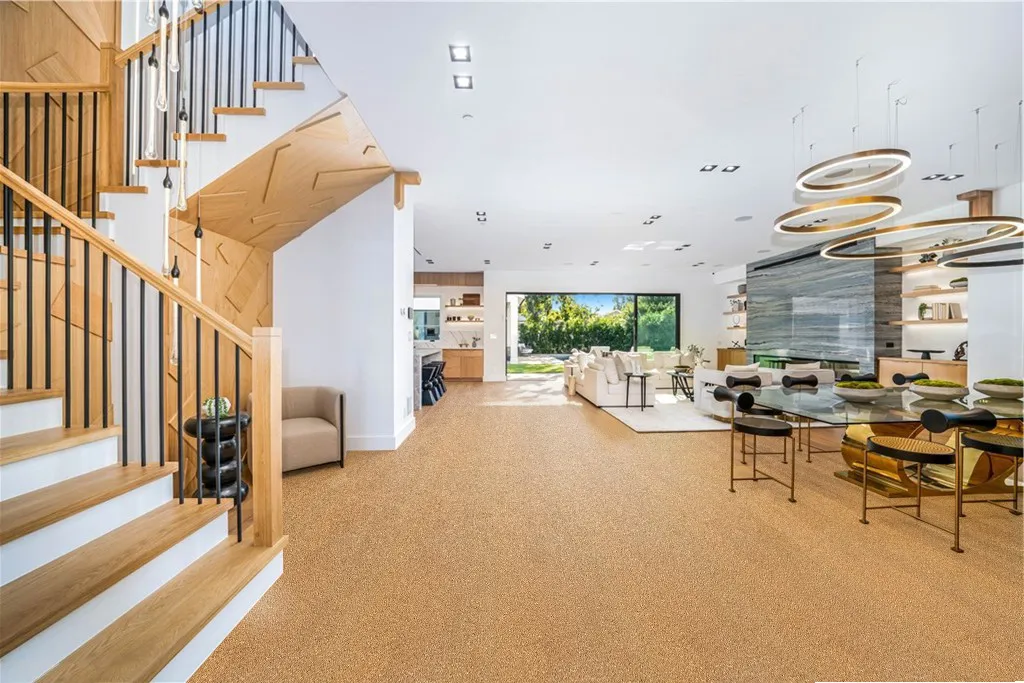 22% off MSRP Extra sale
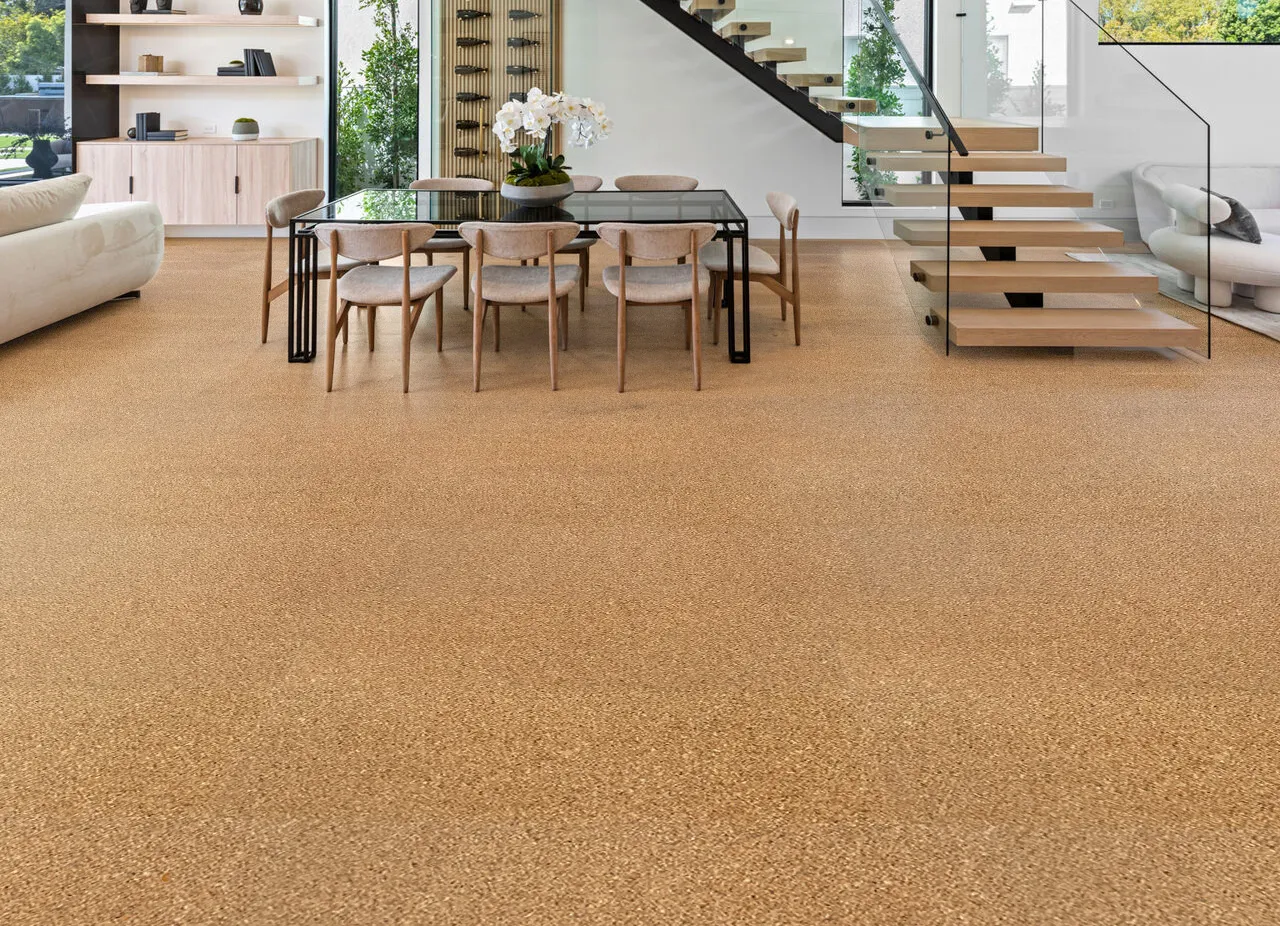 25% off MSRP Extra sale 21% off MSRP Extra sale
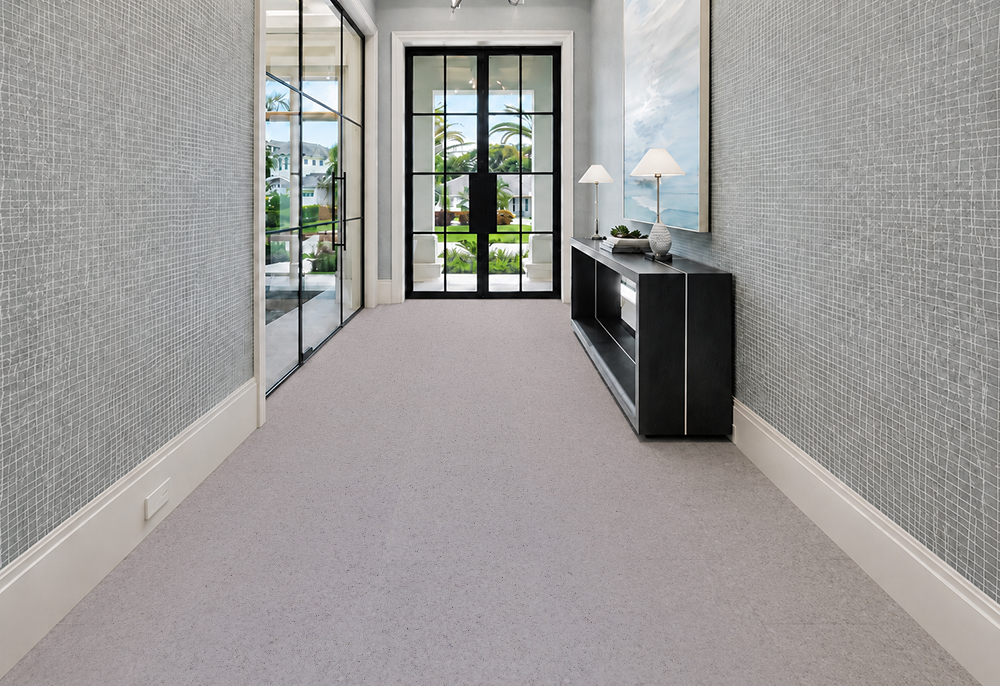 21% off MSRP Extra sale
 26% off MSRP Extra sale
From choosing a finish to planning a full order, our team can help.
Get project adviceOpen a flooring or wall-tile product to enter your project area, choose your overage, and review the required boxes or packs and product total before adding to cart. Check the pack size on supplies before ordering.
Use the visible “Order a sample” link on eligible products to see their available sample sizes and prices before placing a full order.
Delivery depends on your products and destination. Review the estimate on eligible product pages and confirm final shipping at checkout.
Floating floors · Glue-down tiles · Wall tiles · Underlayment
Cork is softer than tile or hardwood, so it can dent or scratch under concentrated weight; felt pads under furniture and trimmed pet nails help. Strong sunlight lightens cork over time. Standing water is the main risk, so wipe spills promptly and choose glue-down tiles sealed on site for bathrooms and laundry rooms. The finish needs upkeep: recoat when it looks worn.
At iCorkfloor today, floating cork planks cost $5.49 to $7.59 per sq ft and glue-down cork tiles $4.99 to $6.89 per sq ft. Cork underlayment starts at $0.39 per sq ft. These are in-stock material prices before adhesive, finish, delivery and installation; the cork flooring cost guide adds supplies and worked room examples.
Floating click-lock planks suit dry rooms: bedrooms, living rooms, offices and basements after a moisture test. Glue-down tiles suit bathrooms, laundry rooms and stairs, where a fully bonded floor sealed on site is better. Kitchens can take either. Floating planks do not belong in bathrooms, laundry rooms or anywhere water can stand on the floor.
Kitchen: yes, with glue-down tiles or floating planks; seal a floating kitchen floor with two coats of water-based polyurethane. Bathroom and laundry room: glue-down tiles, sealed on site. Basement: test the concrete for moisture first and keep the results, then lay floating planks over a vapor barrier. Some glue-down tiles exclude below-grade installation.
Floating planks go over a flat, dry subfloor, with a vapor barrier on concrete; add cork underlayment only when the flooring manufacturer approves the complete assembly, including any attached backing. Glue-down tiles take no underlayment: they bond with contact cement straight to a flat, clean, dry subfloor. OSB and fiberboard are not suitable under glue-down tiles.
Yes. Use a well-wrung damp mop and a cork-safe, pH-neutral cleaner. Do not soak the floor, leave standing water or use a steam cleaner, and sweep or vacuum grit before it scratches the finish.
They suit different priorities. Cork is a natural material that is warmer and softer underfoot; vinyl plank copes better with standing water. Our cork vs vinyl plank guide compares materials, water, comfort, wear, installation and current prices.
Cork flooring is made from the bark of the cork oak, which is harvested without cutting the tree down. iCorkfloor sells it as floating click-lock planks and glue-down tiles.
Yes. Order samples to compare color, texture, thickness and finish in your own light before ordering full boxes.
Cork flooring is warm, quiet and comfortable underfoot. iCorkfloor sells it in two forms: floating cork planks that click together over a flat subfloor, and glue-down cork tiles that bond to a prepared subfloor. Cork comes from the bark of the cork oak, which is harvested without cutting the tree down.
Every cork floor shows its price per square foot and per box. Order samples to see the color and texture in your own light, and see the cork flooring cost guide for typical project budgets. For wood-look and chevron patterns, browse design cork.
Cork flooring is a warm, quiet, resilient alternative to hardwood, vinyl, laminate, and tile. iCorkfloor helps US shoppers compare floating cork planks, glue-down cork tiles, samples, and installation supplies. Start here for bedrooms, basements, condos, kitchens, offices, home gyms, retail spaces, and other rooms where sound control and natural materials matter.
Choose whether we may use analytics and advertising data to improve the store and measure campaigns. Necessary store functions always remain available.
Chat with iCorkfloor
Text usOpens your messages appWhatsAppOpens WhatsAppUsually replies in a few minutes
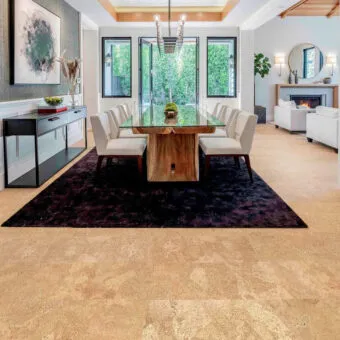 Flooring
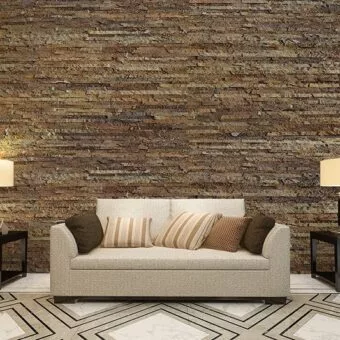 Wall & Ceiling Tiles
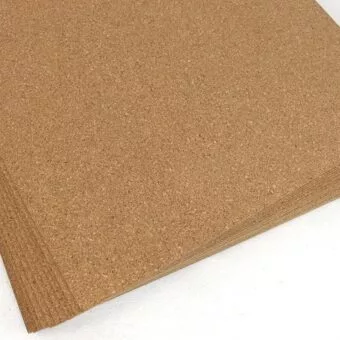 Cork Underlayment
 Supplies & Guides