 Ships USA-wide

Cork adds warmth and cushioning around counters and islands.
Cork flooring for kitchens
Warm and comfortable underfoot for a room where people stand, gather, and clean often.
Plan for everyday spills before choosing the floor.
Wipe spills promptly and protect sink and dishwasher zones.
Match the installation method and finish to the subfloor and expected moisture.
Recommended kitchen cork floors
8 shortlisted from 113 compatible floors
 Sample available
 Industrial Grey – 3/8″ (9.5mm) (Natural Composite Flooring)
9.5mm (3/8 Inch) · Floating/Click Lock
 Sample available
 Earthy Pine – 3/8″ (9.5mm) (Natural Composite Flooring)
9.5mm (3/8 Inch) · Floating/Click Lock
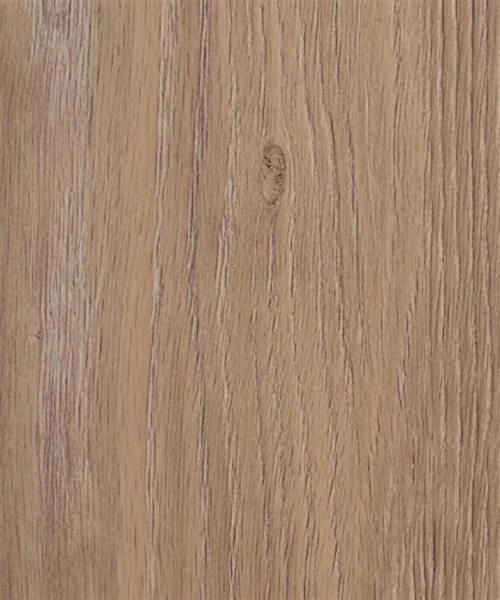 Sample available
 Honey Oak – 3/8″ (9.5mm) (Natural Composite Flooring)
9.5mm (3/8 Inch) · Floating/Click Lock
 Sample available
 Ivory Concrete – 3/8″ (9.5mm) (Natural Composite Flooring)
9.5mm (3/8 Inch) · Floating/Click Lock
 Sample available
 Bright Stone – 19/64″ (7.5mm) (Techslate)
7.5mm (19/64 Inch) · Floating/Click Lock
 Sample available
 Copperstone Gray – 3/8″ (9.5mm) (Natural Composite Flooring)
9.5mm (3/8 Inch) · Floating/Click Lock
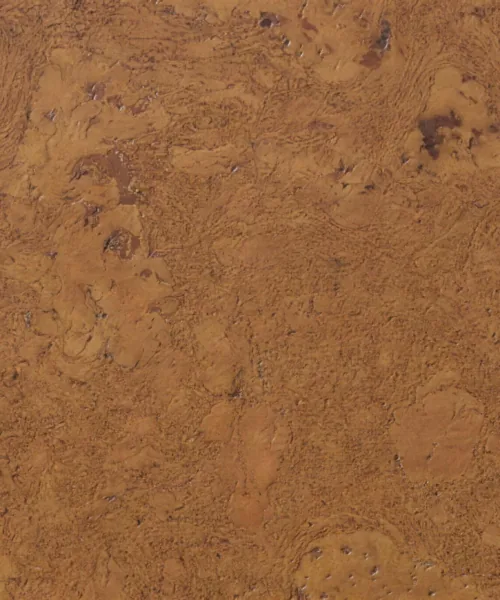 Sample available
 Autumn Ripple – 5/16″ (8mm) (Glue Down)
8mm (5/16 Inch) · Glue Down
 Sample available
 Bleached Birch – 1/4″ (6mm) (Glue Down)
6mm (1/4 Inch) · Glue Down
Kitchen Cork Flooring
Kitchen flooring answer
Kitchen cork flooring
Kitchen cork flooring should be planned around spills, appliances, finish protection, substrate prep, transitions, and maintenance. Glue-down cork tiles are often worth comparing when a bonded kitchen installation is preferred.
- Compare samples in kitchen lighting before ordering full flooring boxes.
- Plan adhesive, subfloor, finish, transitions, appliances, and spill cleanup before installation.
- Ask a specialist whether floating or glue-down cork best fits the kitchen conditions.
Yes, cork works well in kitchens when the floor is sealed and the subfloor is dry and flat. It is warm and soft to stand on for long stretches, quiet underfoot, and a dropped glass is more likely to bounce than on tile. The two things that decide success are the installation type and the finish.
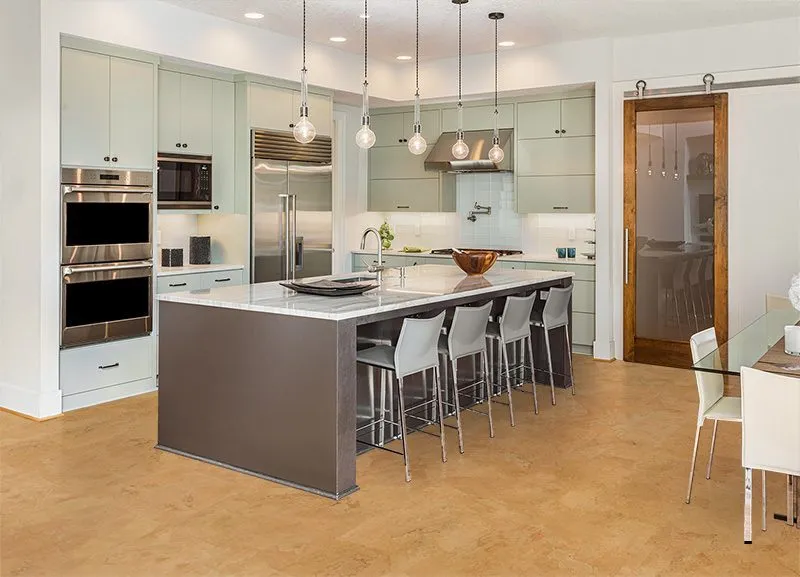
Is cork right for your kitchen?
| Your kitchen | Our advice |
|---|---|
| Dry subfloor (plywood, or concrete at or above grade), normal cooking and spills | Good fit. Choose glue-down tiles or floating planks, and seal the floor. |
| Concrete below grade, or a slab you have not tested | Test for moisture first (see below). Floating planks over a vapor barrier are the safer choice. |
| Frequent standing water, such as a leaking dishwasher or an open floor drain | Fix the water source first. No wood-based floor tolerates standing water. |
Glue-down or floating in a kitchen?
- Glue-down cork tiles are solid cork, bonded to the subfloor with contact cement and sealed with water-based polyurethane. The sealed surface has no open click joints, which makes it the most spill-tolerant cork kitchen floor.
- Floating click-lock planks install faster and need no glue. In a kitchen, iCorkfloor requires two coats of water-based polyurethane over the finished floating floor so the seams are sealed. It is the only room where we require it.
Moisture and prep checklist
- Check the subfloor is flat, clean and dry. Remove old adhesive, paint and loose flooring. OSB and fibreboard are not suitable under glue-down tiles.
- On concrete, run a concrete moisture test. The definitive test is a calcium chloride kit or a relative humidity meter.
- Plan appliance moves: slide the fridge and range out on protective sheets, and leave an expansion gap around floating floors.
- Plan transitions to other rooms with T-moldings, and felt pads under chairs and stools.
Recommended floor and kit
| Item | Why | Current price |
|---|---|---|
| Logan 8 mm glue-down tiles | Solid cork tile, sealed surface for spills | $6.89 per sq ft |
| or Hazel 11 mm floating planks | Faster click-lock install; seal with two coats | $6.39 per sq ft |
| Wakol D 3540 contact cement (glue-down only) | Water-based cork adhesive, covers up to 200 sq ft | $92.00 (5 kg) |
| Loba 2K Supra A.T. polyurethane | Water-based finish, covers up to 750 sq ft | $232.14 (5 kg) |
| T-moldings | Doorways and flooring changes | From $53.99 each |
Prices checked September 27, 2026. Product pages always show today’s price. See the full cork flooring cost guide for worked examples.
How much do you need?
Measure the kitchen, subtract fixed cabinets and the island, and add 10% for cuts. The room calculator on every product page turns length and width into boxes, or follow the flooring estimate guide.
See it in your kitchen first
Order cork samples and look at them next to your cabinets and counters in daylight and at night. If the product you sample is on sale, that price is held for 56 days after your sample order: checkout uses whichever is lower, today’s price or the price when you sampled.
Related: cork flooring for bathrooms, basement cork flooring and the installation instructions.
Plan cork kitchen flooring carefully
Cork is not a waterproof shortcut for kitchens. Product choice, spill cleanup, substrate prep, adhesive, finish protection, transitions, and appliance planning all matter.
Compare glue-down cork tiles Start with bonded cork tiles when a kitchen needs layout control and finish planning. Order kitchen cork samples Compare color, texture, finish, and lighting before choosing full boxes. Ask a kitchen flooring specialist Review moisture, appliances, transitions, adhesive, finish, and maintenance expectations before ordering.
Match kitchen conditions before cork samples
Plan for spills, appliance movement, subfloor preparation and the specified adhesive and finish.
Sample cork in kitchen lighting Compare color, texture, finish, and underfoot feel before ordering a kitchen floor. Glue-down cork for kitchen planning Use bonded cork tiles when layout control, adhesive compatibility, and finish protection fit the room. Finish and spill-cleanup plan Confirm finish protection, appliance moves, transitions, mats, and maintenance before installation. Ask about kitchen flooring fit Get help reviewing substrate, moisture exposure, adhesive, finish, appliances, and sample choices.
Frequently asked questions
Can cork flooring work in kitchens?
Cork can work in many kitchens when the correct product, substrate prep, finish protection, spill cleanup, appliance planning, and maintenance are handled carefully.
Is glue-down cork a good kitchen flooring option?
Glue-down cork tiles can be a strong kitchen path when a bonded installation, compatible adhesive, and finish protection fit the room and subfloor.
Should I order kitchen cork flooring samples first?
iCorkfloor recommends samples so buyers can compare color, texture, finish, underfoot feel, and kitchen lighting before ordering full boxes.
 Flooring
 Wall & Ceiling Tiles
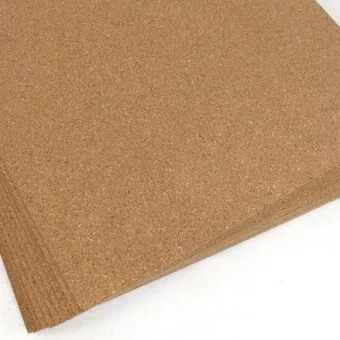 Cork Underlayment
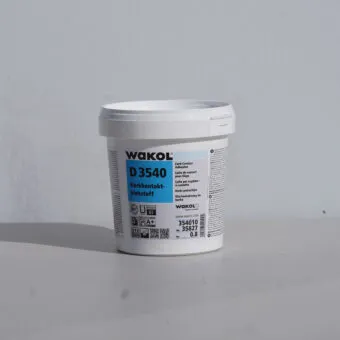 Supplies & Guides