 Ships USA-wide


Cork flooring for basements
A warmer, quieter surface for below-grade family rooms, studios, and finished spaces.
Install approved vapour protection first and choose a floating / click-lock floor for basements.
Cork feels warmer than tile or bare concrete in finished basements.
Use approved vapour protection over a dry, flat slab, then install a floating / click-lock floor.
Glue-down tile needs a plywood subfloor above the vapour barrier; ask us to review that assembly.
Recommended basement cork floors
8 shortlisted from 90 compatible floors
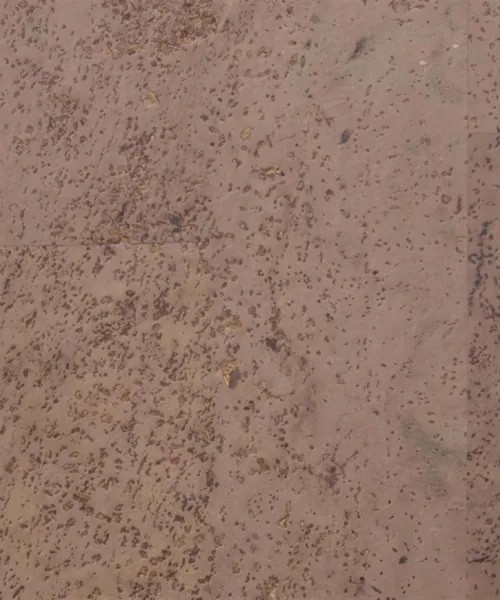 Sample available
Hazel – 7/16″ (11mm) (Cork Floating)
11mm (7/16 Inch) · Floating/Click Lock
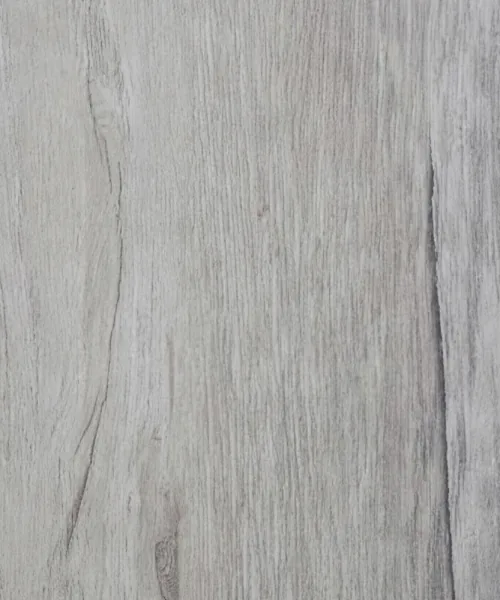 Sample available
Light Grey Oak – 13/32″ (10.5mm) (Design Floating)
10.5mm (13/32 Inch) · Floating/Click Lock
 Sample available
Industrial Grey – 3/8″ (9.5mm) (Natural Composite Flooring)
9.5mm (3/8 Inch) · Floating/Click Lock
 Sample available
Earthy Pine – 3/8″ (9.5mm) (Natural Composite Flooring)
9.5mm (3/8 Inch) · Floating/Click Lock
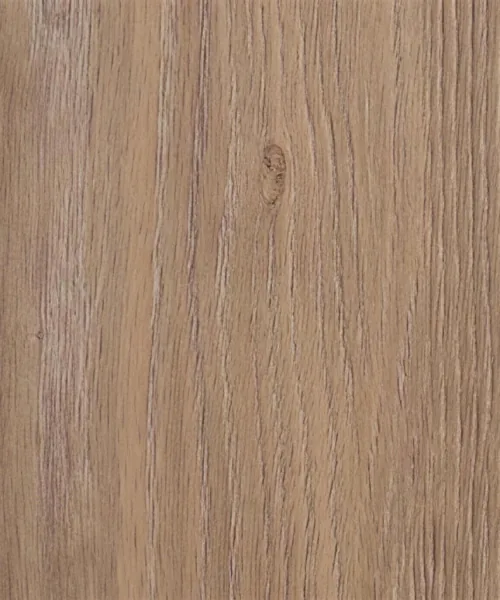 Sample available
Honey Oak – 3/8″ (9.5mm) (Natural Composite Flooring)
9.5mm (3/8 Inch) · Floating/Click Lock
 Sample available
Ivory Concrete – 3/8″ (9.5mm) (Natural Composite Flooring)
9.5mm (3/8 Inch) · Floating/Click Lock
 Sample available
Bright Stone – 19/64″ (7.5mm) (Techslate)
7.5mm (19/64 Inch) · Floating/Click Lock
 Sample available
Copperstone Gray – 3/8″ (9.5mm) (Natural Composite Flooring)
9.5mm (3/8 Inch) · Floating/Click Lock
Basement cork flooring
Basement flooring answer
Basement cork flooring is worth comparing for dry basements when warmth, quiet rooms, and underfoot comfort matter. Moisture testing, approved vapor protection, floating or click-lock installation, and samples should be planned before buying.
- Use cork in dry basements only after moisture questions are answered.
- Install an approved vapor barrier first, then use a floating or click-lock floor.
- Glue-down tile needs a plywood subfloor above the vapor barrier and separate project review.
Cork floating floors are one of the best basement flooring options: warm on a cold slab, quiet, and installed over a vapor barrier instead of being glued to the concrete. The key is controlling slab moisture before anything goes down.

Is cork right for your basement?
| Your basement | Our advice |
|---|---|
| Dry slab that passes a moisture test | Good fit. Floating cork planks over a vapor barrier, with optional cork underlayment. |
| Slab never tested, or occasional dampness | Test first. Floating planks over a sealed vapor barrier only. |
| Flooding history, active leaks or standing water | Fix drainage first; no floor will survive flooding. See floors for a flood-prone basement. |
| You want glue-down tiles | Only over a plywood subfloor built above the vapor barrier, after a project review with us. |
Moisture: test before you buy
Concrete below grade releases water vapor continuously. Trapped under a floor it can cause mold and failures, and warranties depend on documented moisture tests.
- The definitive concrete moisture test is a calcium chloride kit or a relative humidity meter.
- Cork flooring adhesives need a vapor emission rate below 3 lb per 1,000 sq ft in 24 hours. Unsealed basements often measure 5 to 10 lb, and even sealed slabs can exceed 3 lb. That is why we recommend floating floors below grade.
- Lay a vapor barrier of 6-mil polyethylene sheeting with 8 in seam overlaps sealed with moisture-resistant tape, even if the slab has a barrier built in.
- Keep documenting moisture after installation.
Recommended floor and kit
| Item | Why | Current price |
|---|---|---|
| Autumn Leaves 12 mm floating planks | Thickest click-lock cork, warm over a slab | $6.29 per sq ft |
| or White Bamboo 12 mm floating planks | Light color for rooms with little daylight | $6.79 per sq ft |
| Cork underlayment 6 mm (or 3 mm) | Adds insulation and can raise the floor to meet an adjoining floor | $0.89 per sq ft (3 mm from $0.59) |
| 6-mil polyethylene vapor barrier and seam tape | Required below grade | Local building supply |
| T-moldings and stair nosing | Doorways and the basement stairs | From $53.99 and $71.29 each |
Prices checked September 27, 2026. Product pages always show today’s price. See the cork flooring cost guide for a full room example.
How much do you need?
Measure each room, add 10% for cuts, and divide by the box coverage (17.44 sq ft for 12 mm planks). The room calculator on every product page does the math, or follow the flooring estimate guide. Underlayment comes in 150 and 300 sq ft boxes.
See it in your basement first
Order cork samples and look at them under your basement lighting. If the product you sample is on sale, that price is held for 56 days after your sample order: checkout uses whichever is lower, today’s price or the price when you sampled.
Related: cork underlayment installation, floating floor installation, kitchen cork flooring and cork flooring for bathrooms.
Plan basement cork flooring before ordering
Check basement moisture, subfloor condition, approved vapour protection and finished height before choosing flooring.
Check basement moisture before choosing flooring
Check basement moisture, subfloor condition, finished height and installation requirements before ordering.
Frequently asked questions
Is cork flooring good for basements?
Cork can work in dry basements when moisture is controlled, the substrate meets product requirements, and a floating or click-lock floor is installed over approved vapor protection.
What basement cork flooring installation do you recommend?
Use a floating or click-lock floor over approved vapor protection. Glue-down tile is a separate assembly that needs a plywood subfloor above the vapor barrier and project review.
Do I need a moisture test before basement cork flooring?
Yes. Moisture questions should be answered before ordering cork, vapor protection, underlayment, or full boxes for a basement floor.
Should I order basement cork flooring samples first?
iCorkfloor recommends samples so buyers can compare color, texture, thickness, warmth, and basement lighting before ordering full boxes.
 Flooring
 Wall & Ceiling Tiles
 Cork Underlayment
 Supplies & Guides