 Ships USA-wide


Water-resistant cork flooring planning
Moisture flooring answer
Water-resistant cork flooring decisions need honest moisture planning. Product construction, seams, substrate moisture, finish protection, spill cleanup, and installation method matter more than any single label.
- Do not use cork flooring as a shortcut for active leaks or damp slabs.
- Compare glue-down cork when edges, finish, and bonded installation matter.
- Ask a specialist before ordering for bathrooms, laundry rooms, basements, or frequent spill areas.
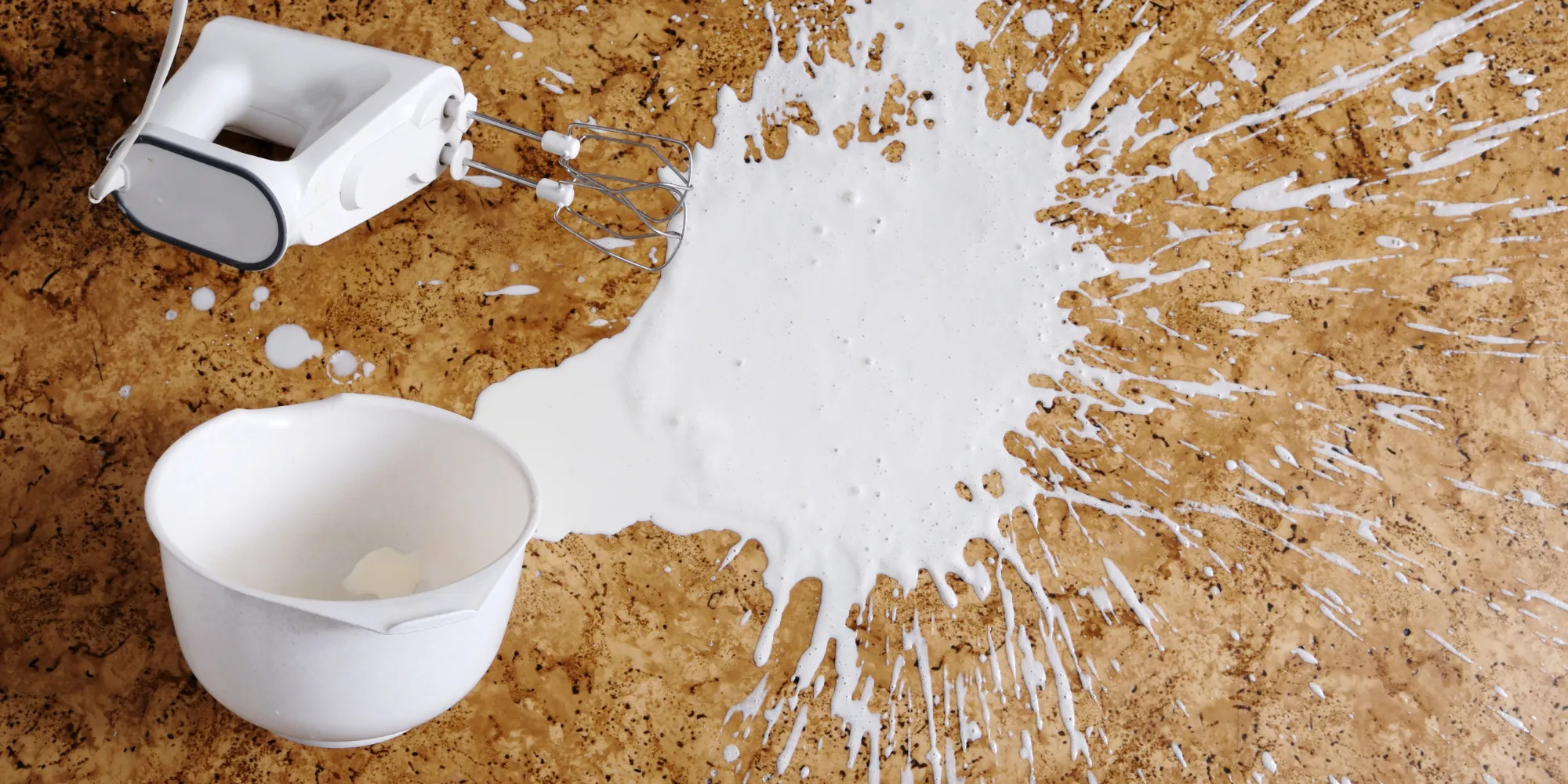
Choose the level of moisture protection your room needs. Glue-down cork tile can be sealed for wet areas, while selected floating floors offer surface-water protection for kitchens, laundry rooms, and everyday spills.
Wet-Area Protection
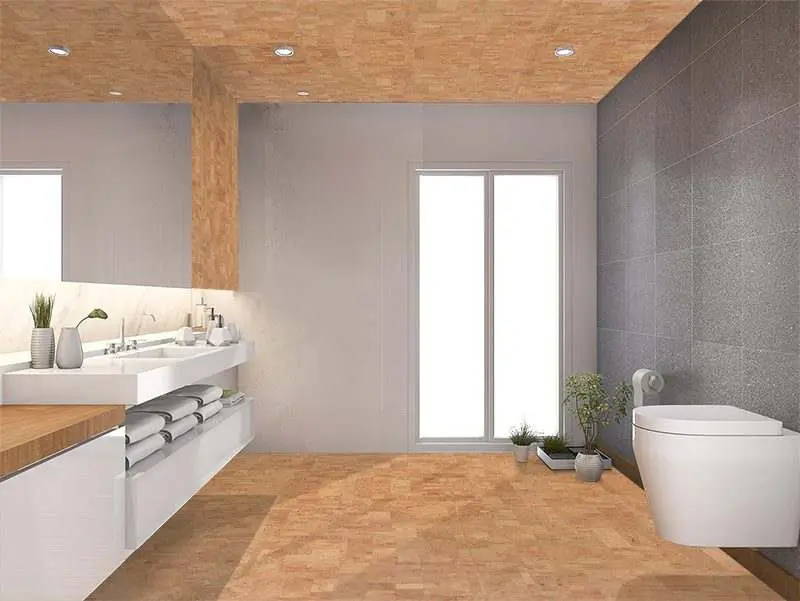
For bathrooms and other wet areas, use glue-down cork tile with the recommended adhesive and surface sealer. Correct installation helps prevent water from reaching the subfloor.
Surface Water-Resistant Flooring
Selected floating floors resist spills from above, making them practical for kitchens and other dry rooms. They are not recommended for bathrooms or standing water.
Water-Resistant
Natural cork resists brief exposure to moisture. For added protection, seal the installed floor and plank joints with the recommended water-based polyurethane.
Water-Resistant Flooring for Bathrooms and Moisture-Prone Rooms
Check the selected flooring’s bathroom suitability and finishing requirements. Cork floors are water resistant, and some products suit bathrooms better than others. Shop bathroom cork flooring.
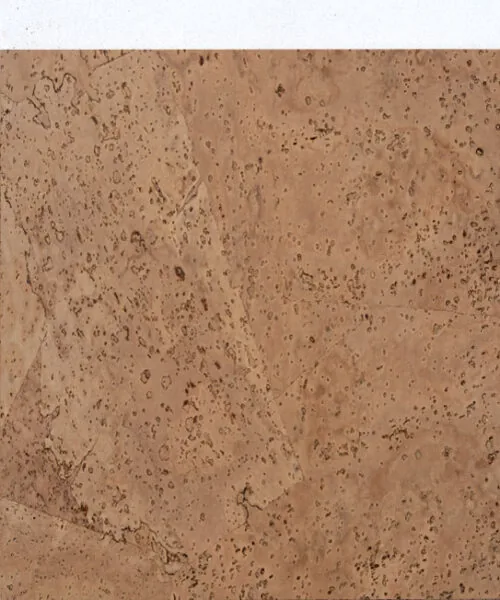
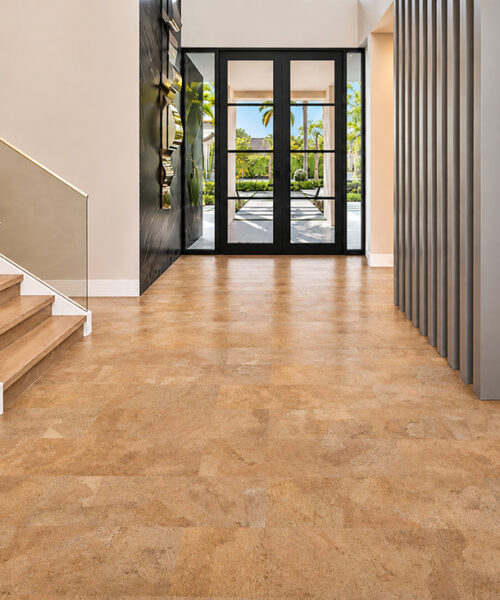
Cork Glue Down Tiles
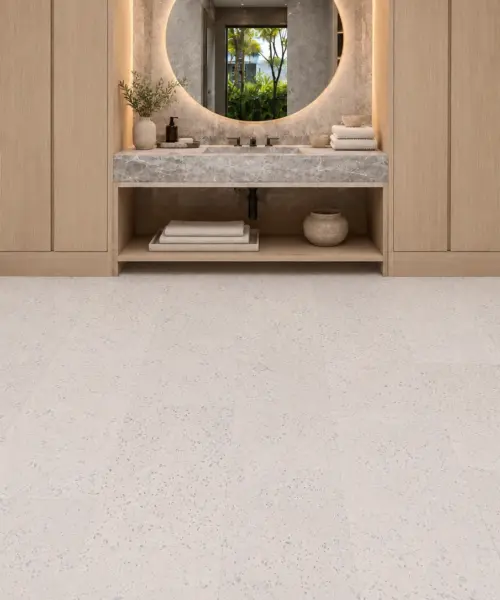
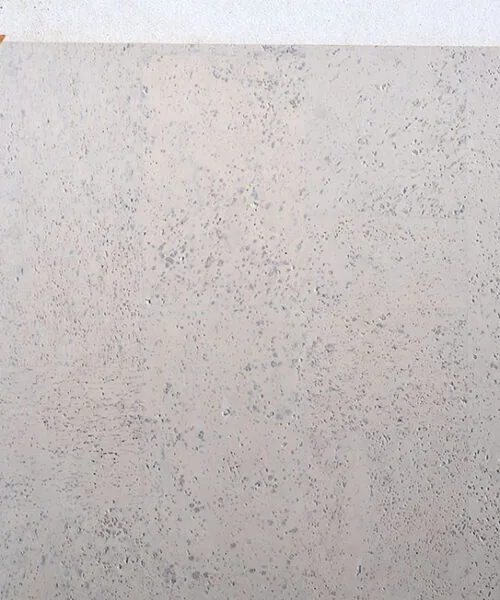
Cork Glue Down Tiles
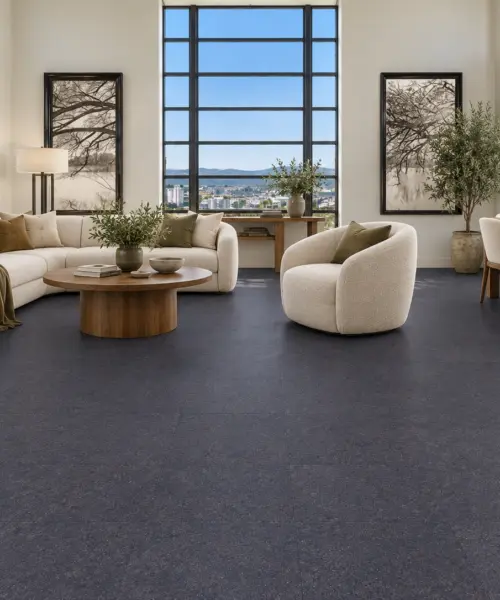
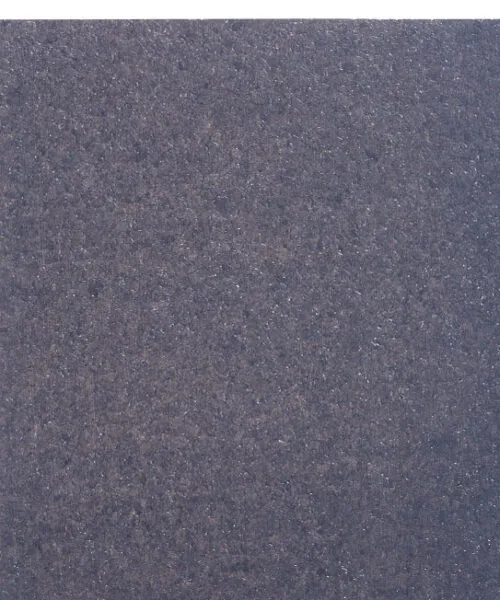
Cork Glue Down Tiles
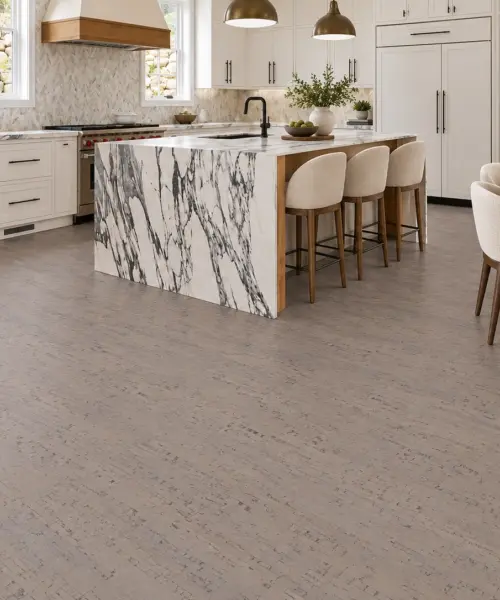
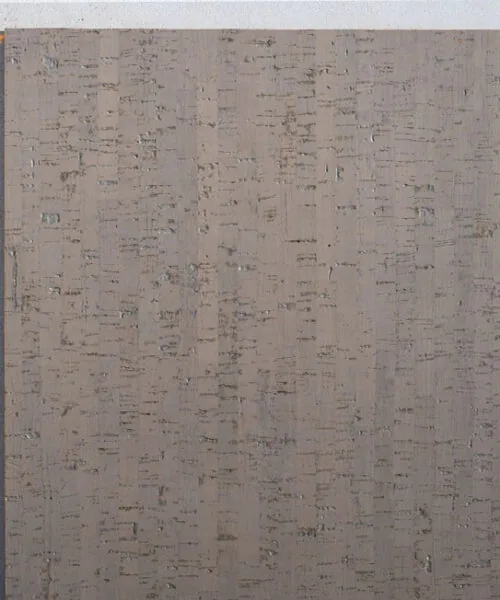
Cork Glue Down Tiles
Surface Water-Resistant Flooring
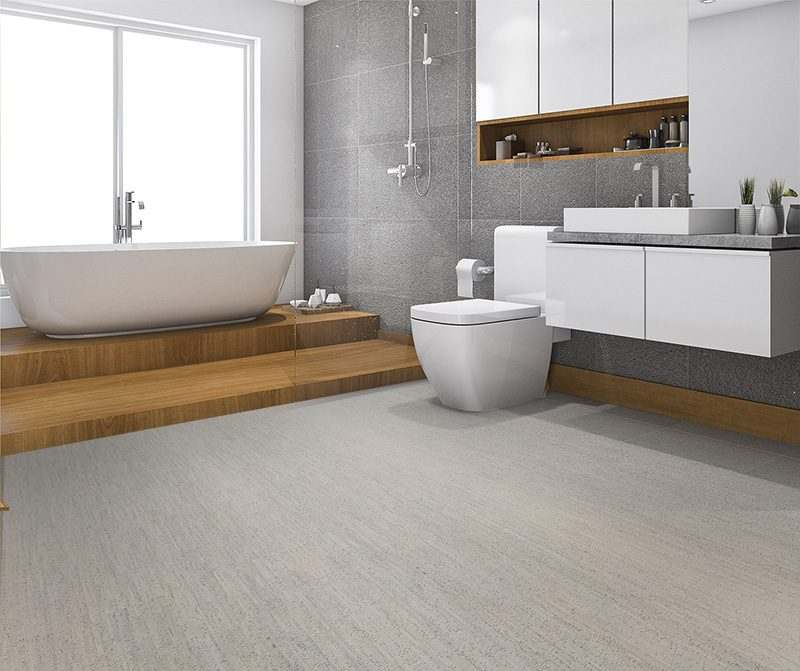
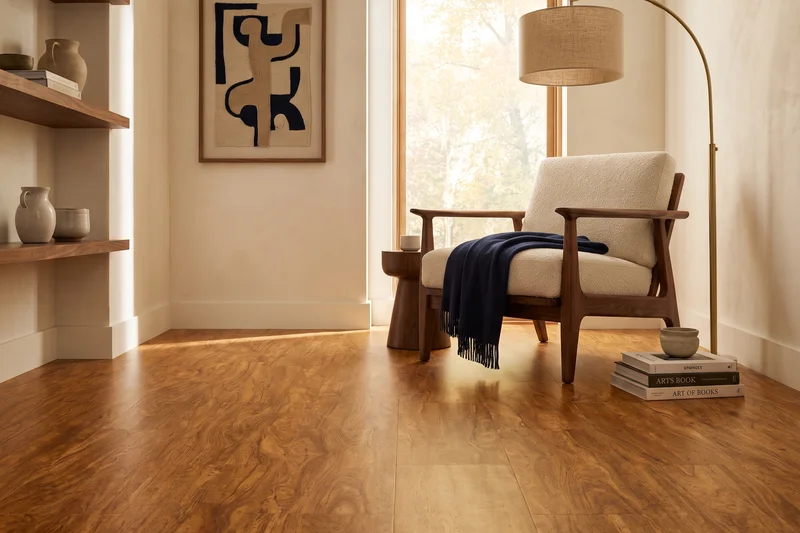
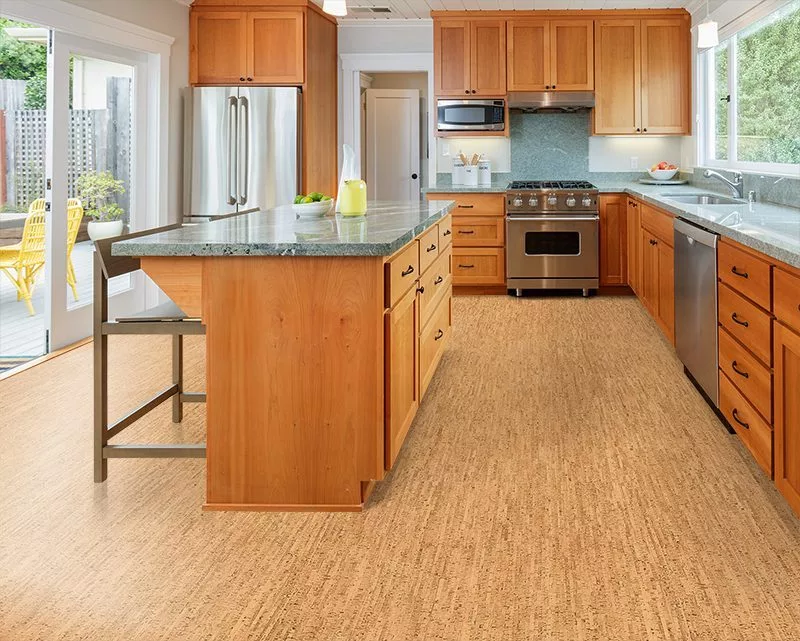
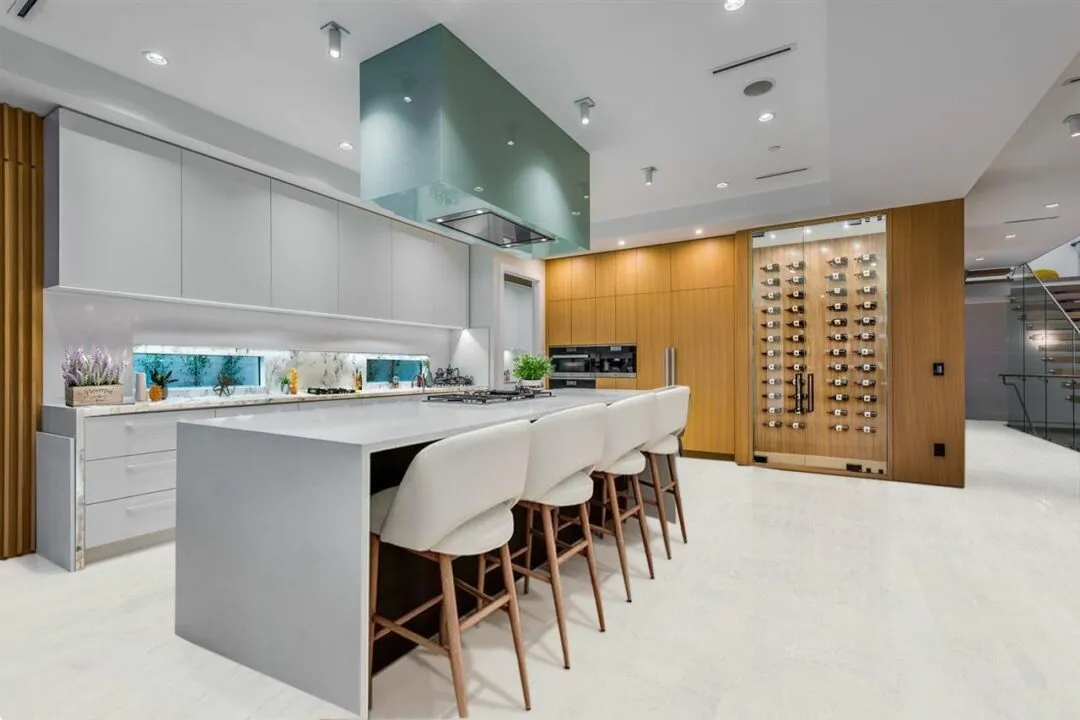
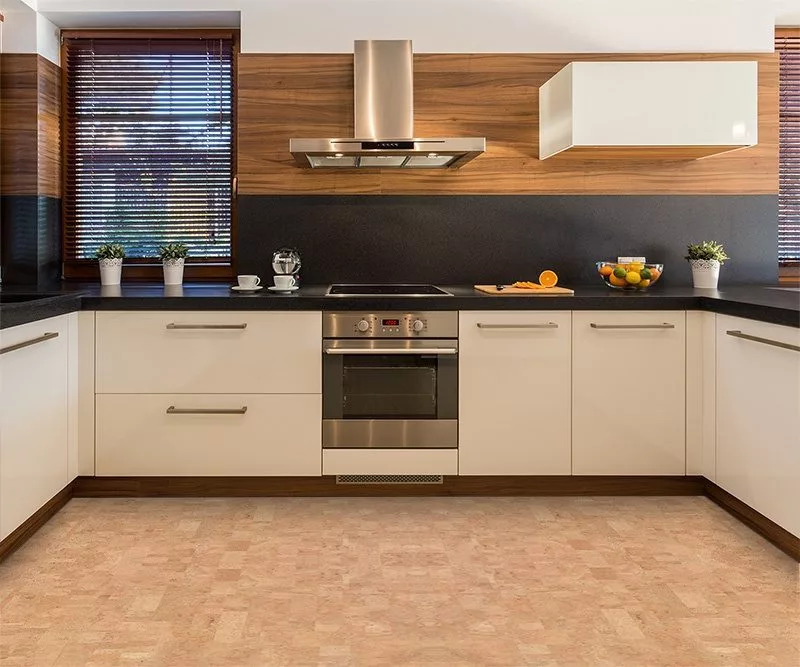
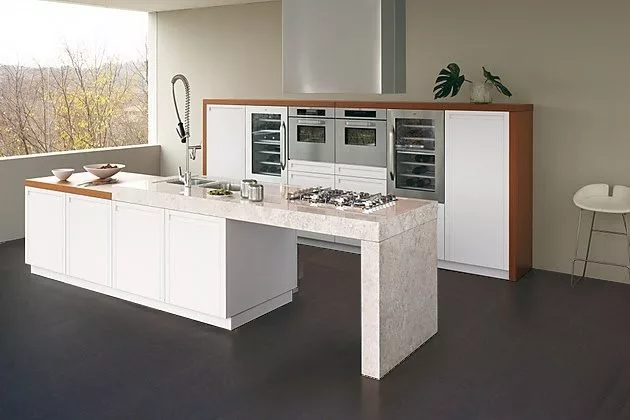
Most kitchens, laundry rooms, and exercise rooms need protection from everyday spills rather than a wet-area floor assembly. Surface Water-Resistant Flooring is a great alternative to traditional flooring that is also simple to install. Surface Water-Resistant Flooring helps protect against water getting into the floor from the top, such as a small water spill in the kitchen, a spilled wine glass, or a pet bathroom accident, when it is wiped up promptly. These cork floors and cork-based floors are the best options for you if you are looking for a floor for these applications. They are not recommended for use in bathrooms or other high-moisture areas. Floors with a high level of water resistance are recommended for these applications because they help limit water getting between the top floor and sub-floor from the sides as well. Shop kitchen flooring Shop surface-water-resistant flooring
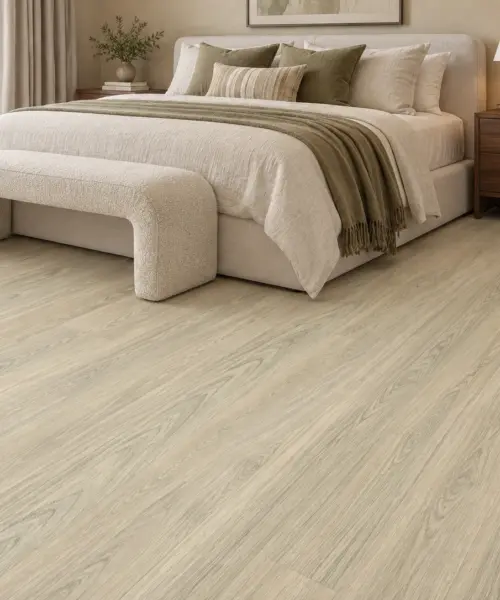
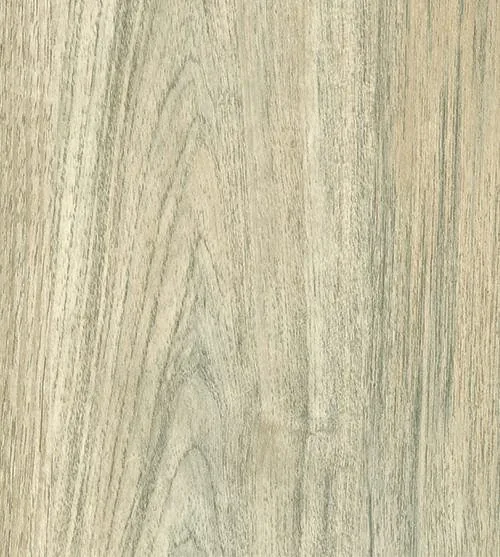
Design Cork
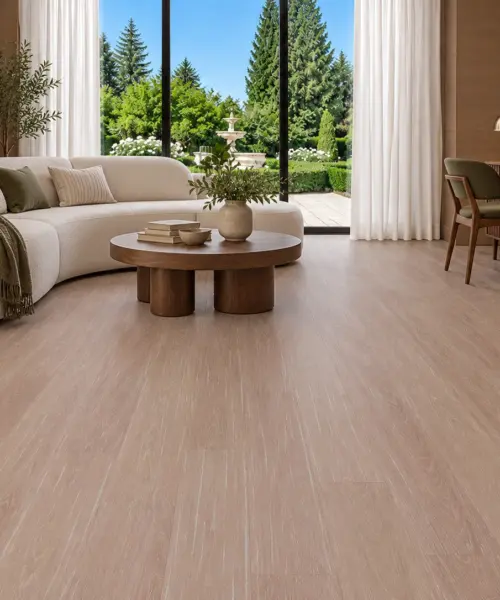
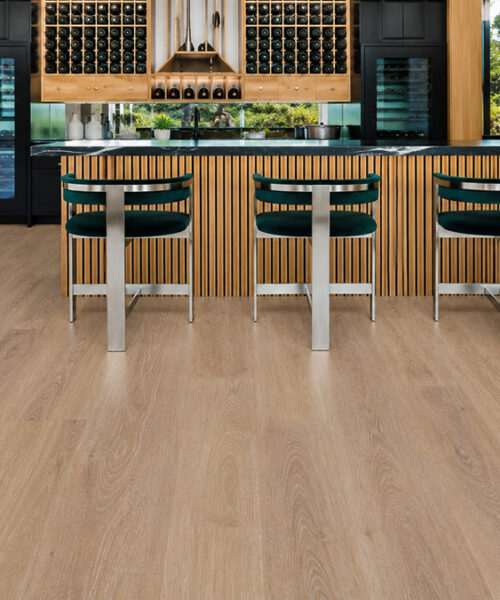
Design Cork
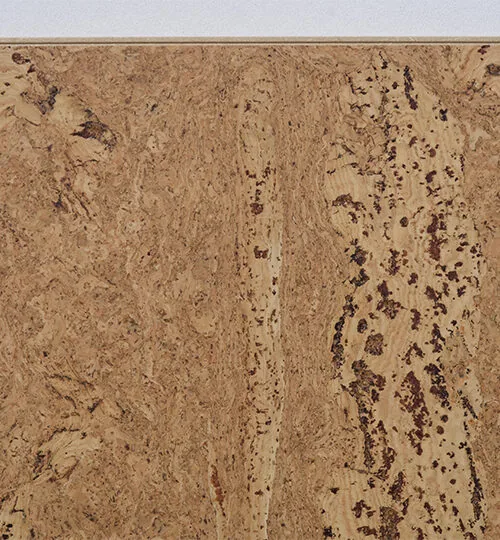

Cork Floating Floors
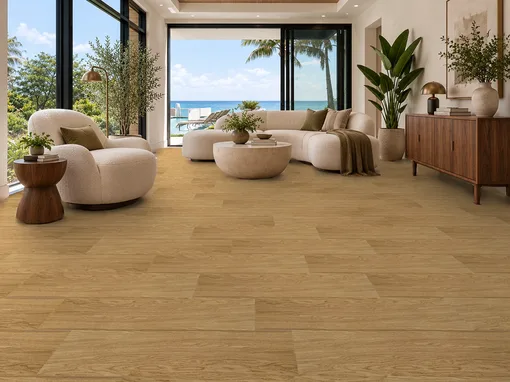
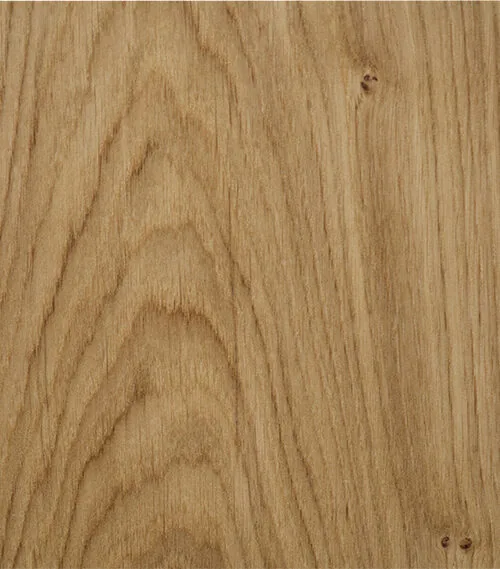
Swiss Real Wood Planks

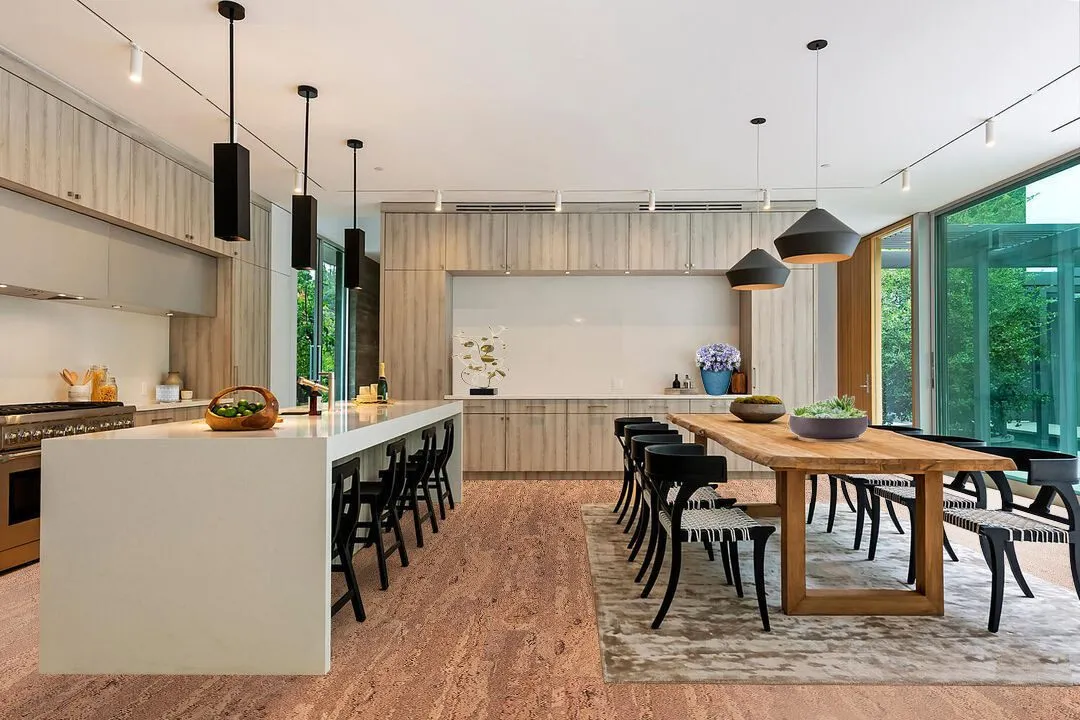
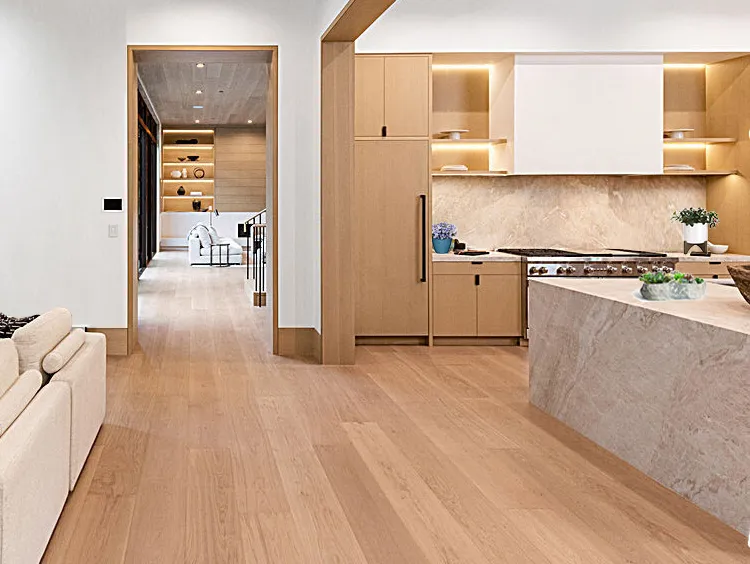
Water-resistant Flooring
Cork flooring, in general, has excellent moisture and water resistance, which is why it is used in a variety of applications, such as wine bottle corks. For the most part, our Natural Cork is at the very least Water-Resistant, which means that even a small amount of moisture on the surface can be removed with no difficulty. If you require more than Water Resistance, we recommend that you apply a Water-based Top Layer Polyurethane to seal the edges where each plank is connected to the next plank. You will be able to achieve surface water resistance that is sufficient for the majority of applications such as kitchens, mudrooms, laundry rooms, and other similar areas. Even when using Top Layer Polyurethane, we do not recommend installing these floors in bathrooms or rooms that are subjected to a great deal of moisture. Cork Glue Down Flooring is the best option for these types of applications. Shop water-resistant cork flooring
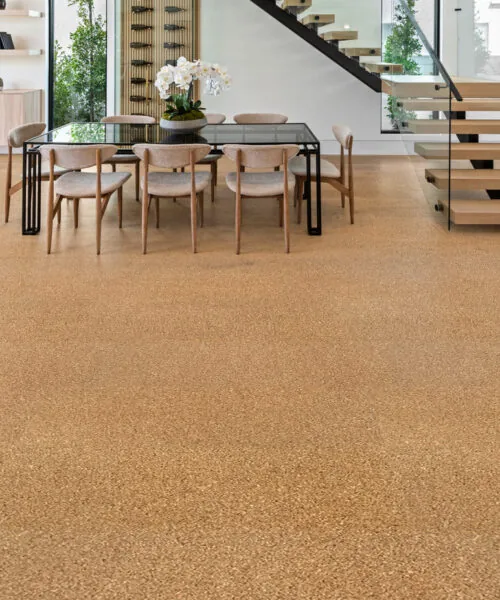
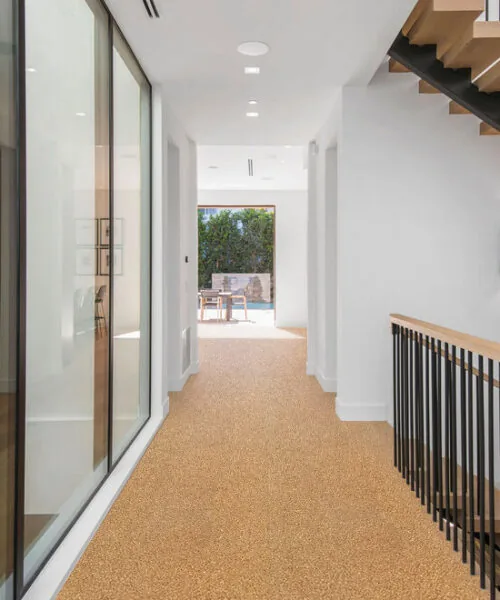
Cork Floating Floors
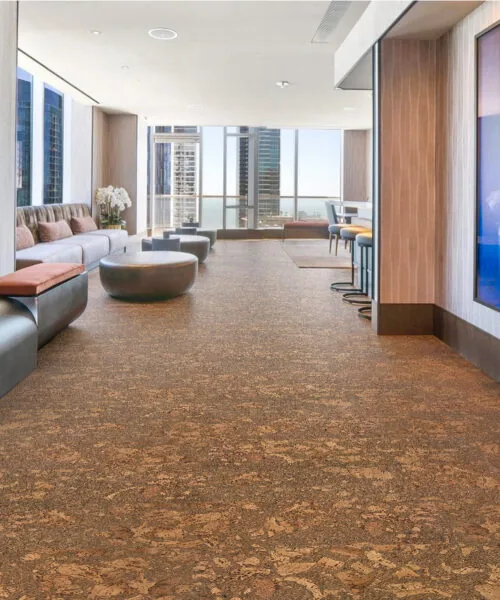

Cork Floating Floors
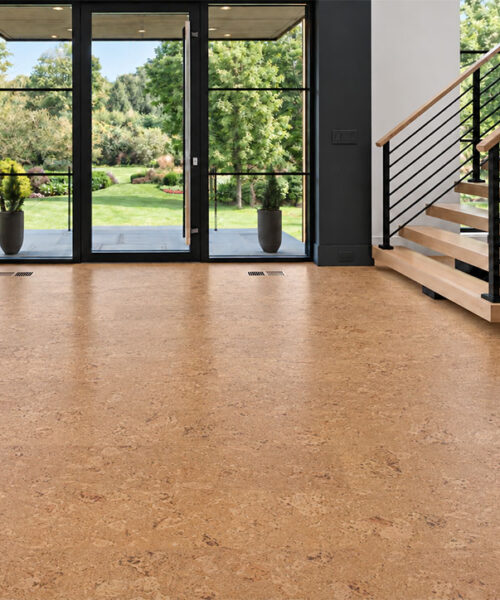
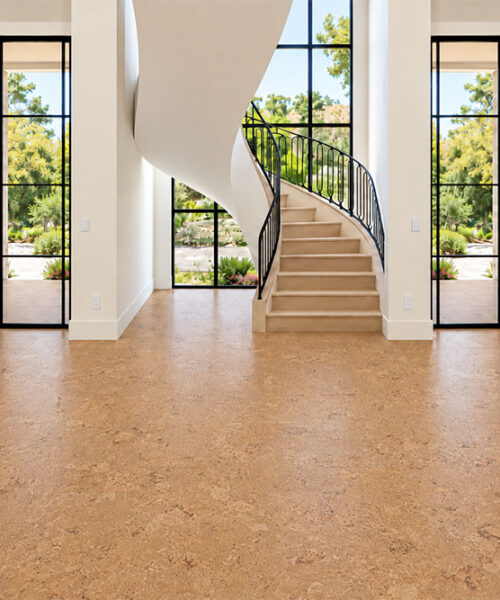
Cork Floating Floors
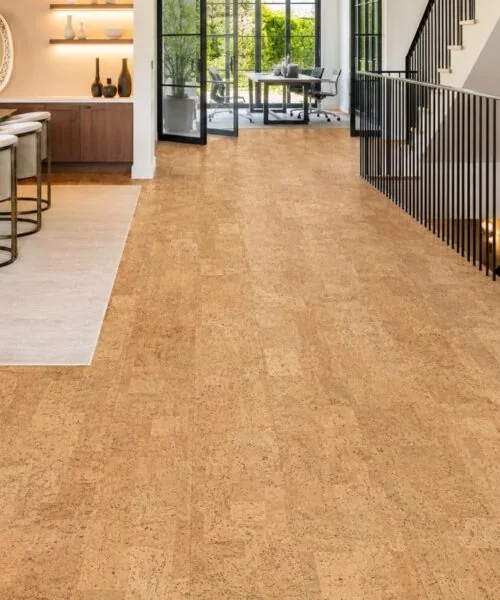
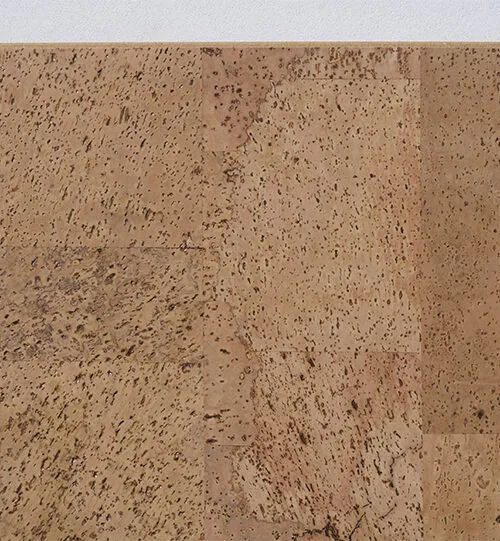
Cork Floating Floors
Surface Protection of our Water-Resistant Flooring
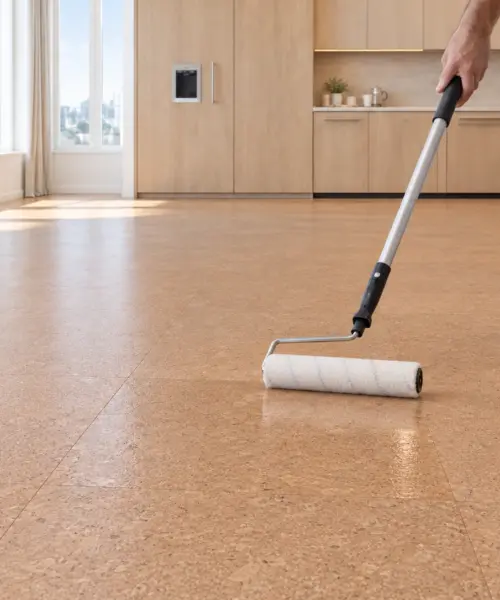
Two coats of our Top Layer Water-based Polyurethane will be applied to the surface and joints of the flooring. This will seal the joints between the planks of flooring, preventing moisture or water from entering the subflooring. This enables you to incorporate the best of everything into our flooring.
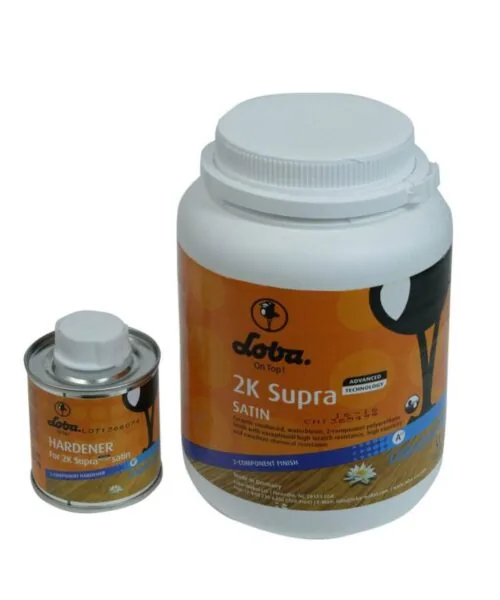
Top Layer Polyurethane
One item covers up to 150 sq. ft.
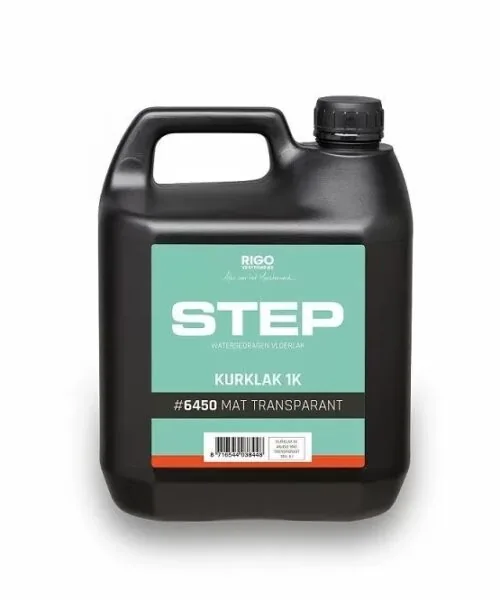
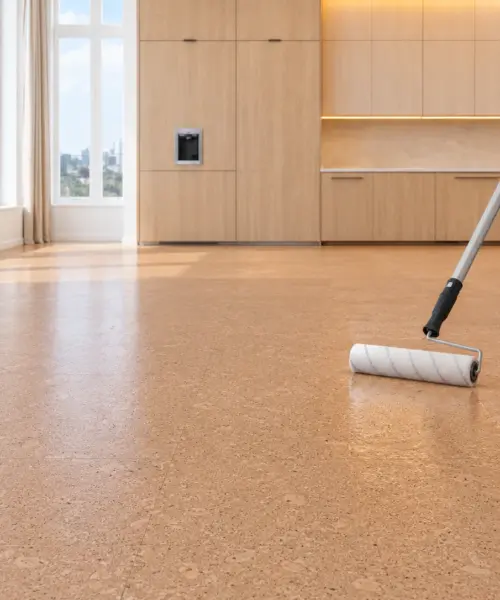
Top Layer Polyurethane
RigoStep (Royl) Step 1K CORK Transparent 4 Litre (Polyurethane)
One item covers up to 500 sq. ft.
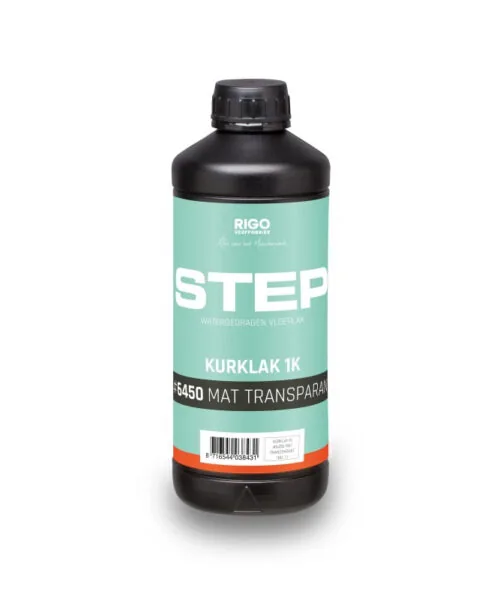
Top Layer Polyurethane
RigoStep (Royl) Step 1K CORK Transparent Litre (Polyurethane)
One item covers up to 130 sq. ft.
Plan water-resistant flooring carefully
Water-resistant flooring is not a shortcut for active moisture. Confirm product claims, substrate moisture, seams, finish, spill cleanup, and room use before ordering.
Check water resistance and room suitability
Check the product rating, seams, finish and subfloor moisture requirements for your room.
Frequently asked questions
Is cork flooring water-resistant?
Some cork floors can be water-resistant when the correct product, installation method, finish, maintenance, and room conditions are used, but cork is not a fix for active moisture.
Is cork flooring water resistant?
Cork is water resistant, not immune to standing water. Product construction, seams, substrate moisture, finish, spills, and room use must be reviewed before choosing flooring.
Is glue-down cork better for moisture-conscious rooms?
Glue-down cork is often worth comparing for bathrooms, laundry rooms, entries, and other moisture-conscious rooms because the installation can be planned around edges and finish protection.
Should I ask a specialist before choosing water-resistant flooring?
iCorkfloor recommends asking a specialist when leaks, damp slabs, frequent spills, pets, bathrooms, laundry rooms, or basement moisture are part of the project.
 Flooring
 Wall & Ceiling Tiles
 Cork Underlayment
 Supplies & Guides