 Ships USA-wide


HOA Requires IIC 72? What Condo Owners Need to Know Before Choosing Flooring
The Truth About IIC Ratings, Acoustic Underlayments, and Soundproof Flooring
If you own a condominium, apartment, or townhome, you may have been told that any new flooring must achieve an IIC (Impact Insulation Class) rating of 72 or higher.
At first glance, this sounds simple:
“Just buy a floor with an IIC 72 rating.”
Unfortunately, it is rarely that simple.
One of the biggest problems in the flooring industry is that many HOA boards and property managers require an IIC rating without understanding how that rating is actually achieved. This often leads homeowners to purchase products based solely on marketing claims rather than meaningful acoustic performance.
This guide explains what IIC ratings really mean, how soundproof flooring is measured, and how to choose a flooring system that provides genuine impact sound reduction.
What Is an IIC Rating?
IIC stands for Impact Insulation Class.
It measures how effectively a floor assembly reduces impact sounds such as:
-
Footsteps
-
High heels
-
Moving furniture
-
Dropped objects
-
Daily living noise
The higher the IIC rating, the less impact sound is transmitted to the unit below.
Typical requirements include:
| Building Type | Typical Requirement |
|---|---|
| Older Condos | IIC 60 |
| Standard HOA Requirements | IIC 65 |
| Newer Buildings | IIC 70 |
| Luxury Condos | IIC 72+ |
The Missing Piece Most HOAs Never Provide
Many HOAs simply state:
“Flooring must achieve IIC 72.”
However, they often do not provide:
-
The building’s existing IIC rating
-
Concrete slab thickness
-
Ceiling assembly details
-
Acoustic engineering reports
-
Original building specifications
Without this information, determining whether a flooring system will actually achieve IIC 72 becomes extremely difficult.
The Most Important Question to Ask
Before purchasing flooring, ask your HOA or property manager:
“What is the existing IIC rating of the building?”
This single question is often more important than asking which flooring product is approved.
For example:
If the building already has an IIC rating of 52 and your flooring system contributes approximately 20 additional points of sound reduction:
52 + 20 = 72
In this situation, achieving the HOA requirement may be relatively straightforward.
Unfortunately, many HOAs require an IIC rating but do not know the building’s actual acoustic performance.
Not All IIC 72 Ratings Are Equal
This is where many homeowners become confused.
When comparing flooring products, it is common to see:
-
IIC 72
-
IIC 74
-
IIC 76
-
IIC 80+
These numbers sound impressive, but they may not represent the actual contribution of the flooring product itself.
How Some Manufacturers Obtain Very High IIC Ratings
Many acoustic tests are performed using highly engineered laboratory assemblies.
A typical test assembly may include:
-
10-inch to 12-inch concrete slab
-
Suspended acoustic ceiling
-
Acoustic insulation
-
Multiple layers of drywall
-
The flooring or underlayment being tested
The building assembly itself may already provide most of the sound reduction before the flooring is even installed.
Example
| Assembly Component | Acoustic Contribution |
|---|---|
| 10″–12″ Concrete Slab | Approximately 40+ IIC |
| Suspended Acoustic Ceiling | Significant Improvement |
| Acoustic Insulation | Additional Improvement |
| Drywall Ceiling | Additional Improvement |
| Thin Foam Underlayment | Small Contribution |
The completed assembly may achieve IIC 72 or higher.
The manufacturer then advertises the underlayment using the final assembly rating, even though the underlayment itself may contribute only a small portion of the overall performance.
This does not necessarily mean the test report is incorrect.
It simply means the reported rating reflects the entire floor assembly rather than the actual acoustic value of the product being sold.
What Acoustic Professionals Look For
Rather than focusing exclusively on final IIC numbers, acoustic professionals often evaluate how much sound reduction a product contributes to an existing floor assembly.
Important measurements include:
Delta IIC (ΔIIC)
Measures how much impact sound reduction the product adds.
FIIC (Field Impact Insulation Class)
Measures performance in actual buildings rather than laboratory conditions.
ΔLw (Impact Sound Reduction)
Used in European acoustic testing standards such as EN ISO 717-2.
These values provide a more meaningful comparison because they focus on the performance of the flooring product itself.
Sound Reduction Performance of Cork Flooring Systems
Cork Underlayments
| Product | Sound Reduction |
|---|---|
| 12mm Cork Underlayment | ΔIIC 20 |
| 6mm Cork Underlayment | FIIC +10 |
Floating Flooring Systems
| Product | Sound Reduction |
|---|---|
| 12mm Cork Flooring | ΔIIC 23 |
| Swiss TechSlate Flooring | ΔLw 19 dB |
| Swiss Cork Flooring | ΔLw 18 dB |
| Forna Natural Composite Flooring | ΔLw 18 dB |
| Swiss Leather Flooring | ΔLw 17 dB |
How to Estimate Your Potential IIC Rating
A practical formula is:
Existing Building IIC + Flooring Sound Reduction = Estimated Final IIC
Example 1
Existing Building IIC: 52
Flooring Contribution: 20
Estimated Result:
52 + 20 = 72
Example 2
Existing Building IIC: 50
12mm Cork Flooring: 23
Estimated Result:
50 + 23 = 73
Example 3
Existing Building IIC: 55
Swiss TechSlate Flooring: 19
Estimated Result:
55 + 19 = 74
These examples are intended only as practical guidelines. Actual results vary depending on building construction and testing methods.
Do You Need an Acoustic Underlayment?
Many HOA and condominium associations require an acoustic underlayment regardless of the flooring selected.
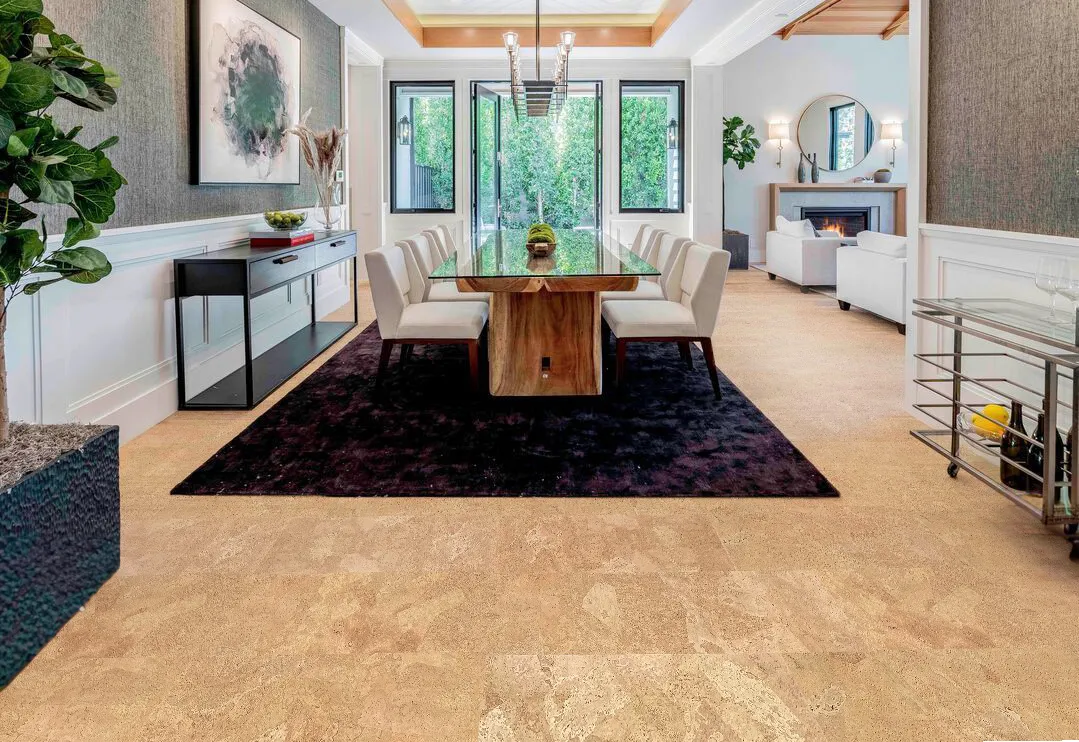
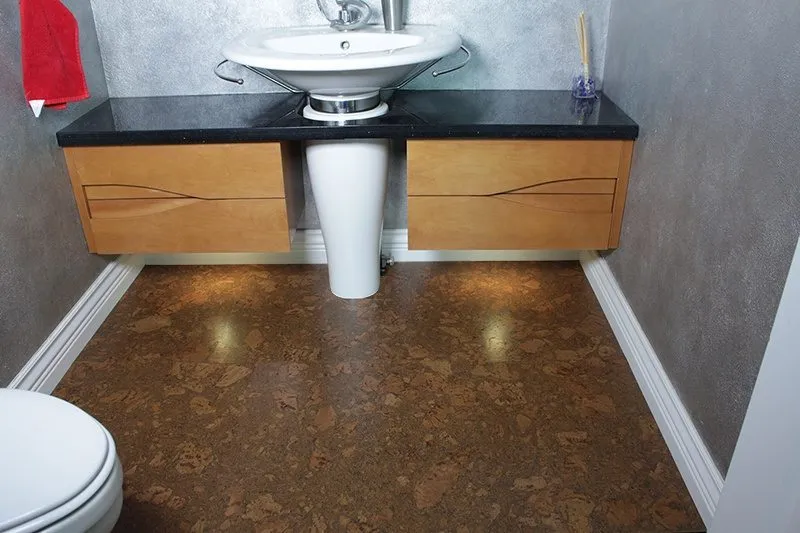
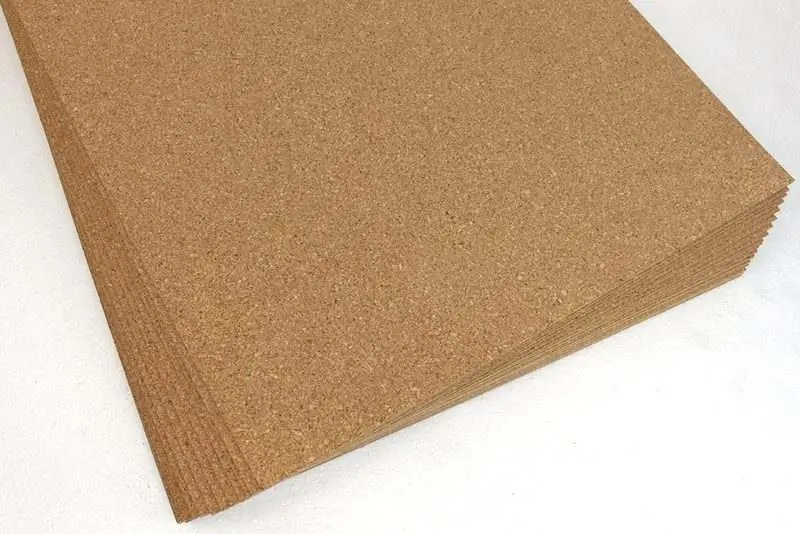
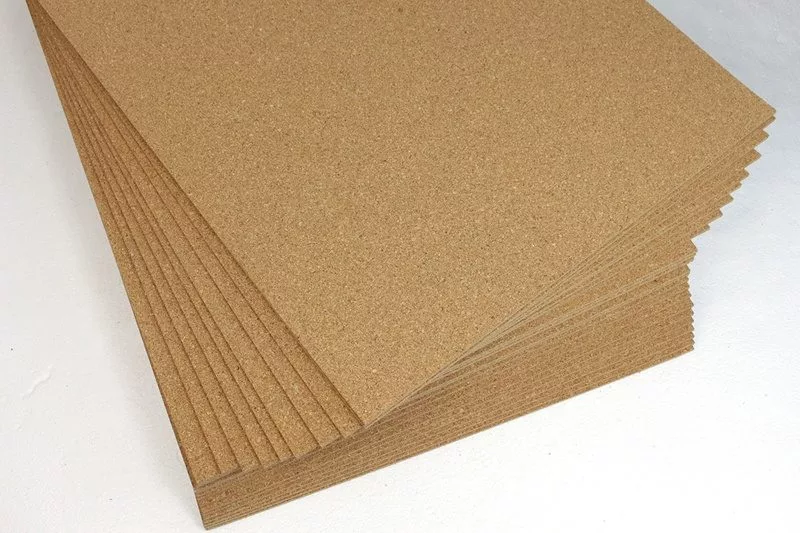
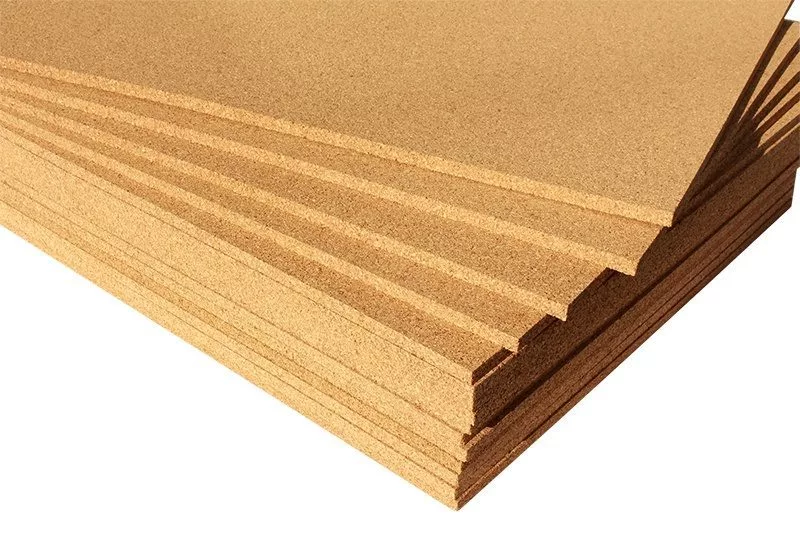
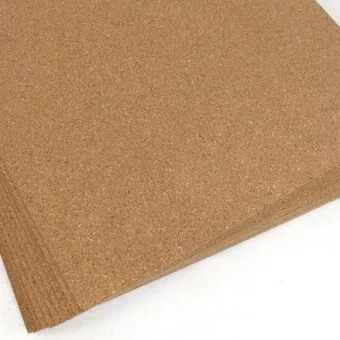
In many buildings, a minimum 6mm cork underlayment is required as part of the approved flooring assembly.
Cork underlayment is widely accepted because it:
-
Provides excellent impact sound reduction
-
Does not permanently compress like many foam products
-
Maintains performance over time
-
Improves walking comfort
-
Enhances thermal insulation
Buildings with stricter sound-control requirements may require thicker acoustic underlayments.
How to Increase Sound Reduction Even Further
If additional acoustic performance is required, cork underlayment can be installed beneath many floating flooring systems.
Popular combinations include:
Maximum Sound Control
-
12mm Cork Underlayment
-
12mm Cork Flooring
Premium European Cork System
-
12mm Cork Underlayment
-
Swiss Cork Flooring
Stone Appearance with Acoustic Performance
-
12mm Cork Underlayment
-
Swiss TechSlate Flooring
Adding cork underlayment beneath a floating floor can significantly increase overall impact sound reduction and may help satisfy stricter HOA requirements.
Questions to Ask Before Purchasing Flooring
Before selecting a flooring system, ask your HOA or property manager:
-
What minimum IIC rating is required?
-
What is the existing IIC rating of the building?
-
Is there an approved flooring list?
-
Is cork underlayment required?
-
What is the minimum underlayment thickness?
-
Are there specific installation requirements?
-
Is acoustic documentation required for approval?
The more information you can obtain, the easier it becomes to select the right flooring solution.
Final Thoughts
An HOA requirement of IIC 72 by itself is incomplete.
Without knowing the existing acoustic performance of the building, it is impossible to accurately predict the final IIC rating of a flooring system.
Rather than focusing solely on published IIC numbers, homeowners should evaluate how much sound reduction a flooring system actually contributes and whether additional cork underlayment may be required.
Understanding the difference between marketing claims and genuine acoustic performance can help you choose a flooring system that not only satisfies HOA requirements but also provides a quieter and more comfortable living environment for years to come.
Download the Approval Kit
Need HOA sign-off for your new floor? The HOA Flooring Approval Kit is the download hub: per-thickness acoustic test statements, the ΔIIC +20 assembly test summary, indoor-air-quality certificates, and a fill-in cover letter your board can file.
 Flooring
 Wall & Ceiling Tiles
 Cork Underlayment
 Supplies & Guides