 Ships USA-wide

Cork flooring answer hub
Cork flooring questions before buying
The most important cork flooring questions are room use, installation type, subfloor, moisture, samples, accessories, shipping, and whether floating cork, glue-down cork, wall tiles, or underlayment is the right path.
- Start with samples before choosing full flooring, wall tile, or underlayment boxes.
- Compare cork with hardwood, vinyl, laminate, tile, and carpet by comfort, sound, and room use.
- Ask a specialist when installation, moisture, adhesive, finish, or shipping details are unclear.
Cork Flooring Questions
Flooring Estimate – How much flooring should I buy
To get an accurate estimation on the amount of flooring you need to buy to cover your space, you must first properly measure a room to determine how much flooring space is needed. Flooring is most often sold by the square foot, thus square footage is what will be used to find the actual measurement of the area to be covered by new flooring. Now you must also factor in waste flooring. This is the amount material that will either be cut away, around or be unused when the flooring is actually laid. Add 5%–15% for cuts and waste. The right allowance depends on the product, room shape, layout, and installation method. Example: a 10′ x 20′ room = 200 sq. ft. Using a waste factor of 10% we calculate 10% of 200 is 20 so you will have to purchase 220 sq. ft. to have enough flooring to cover the entire floor.
For a 220 square foot requirement and 17.44 square feet per carton, divide 220 by 17.44 to get 12.61 cartons. Round up to 13 whole cartons. Confirm that your 220 square foot requirement already includes the waste allowance needed for the layout.
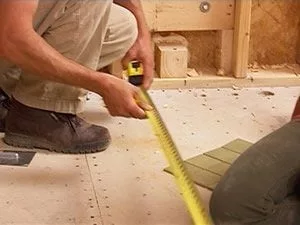
Cutting waste also allows for some minor defects, if any, in the flooring to be cut out or eliminated. If you are doing a project that involves several rooms which includes a lot of cutting you should calculate 10-15% more for additional flooring material. This will allow for less waste in one large room opposed to several smaller rooms. Please review the Diagram provided below to properly measure square footage for the new floor you wish to install.
When measuring for square footage: Simply multiply the Length x Width of any room. This equals your square footage. (Length x Width = sq. ft) Example: 10 x20 = 200 sq. feet. Add an additional 5 -15% for waste. The type of flooring, its install process and the placement of walls and other permanent obstacles in your home will determine how much overage you will need. Better to err on the side of caution and buy more. With more you also have leeway for mistakes.
Remember to take measurements for length x width of every room separately.
Find products and ordering help
Find samples, floating floors, glue-down tiles, underlayment, wall tiles and installation supplies.
Samples, installation and ordering
Find sample options, installation guides, supplies, shipping details and product advice.
Frequently asked questions
What cork flooring questions should I answer before buying?
Confirm room use, installation type, subfloor, moisture, samples, accessories, finished height, maintenance expectations, shipping, and whether floating or glue-down cork fits best.
Should I order cork samples before full boxes?
iCorkfloor recommends samples so buyers can compare color, texture, thickness, finish, and lighting before ordering full flooring or wall tile boxes.
Can a specialist help compare cork with hardwood, vinyl, laminate, or tile?
Yes. A flooring specialist can help compare cork with other surfaces by comfort, sound control, installation method, room use, budget, and project risk.
 Flooring
 Wall & Ceiling Tiles
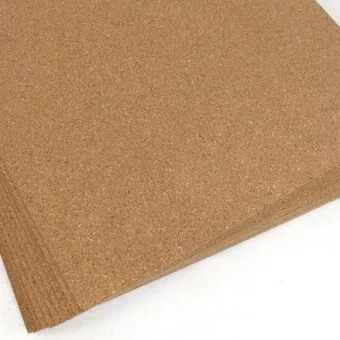 Cork Underlayment
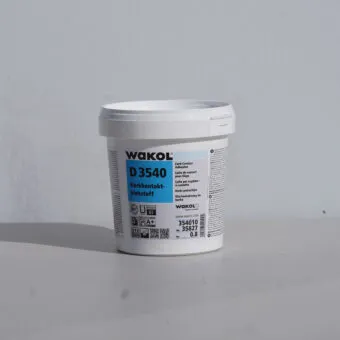 Supplies & Guides