 Ships USA-wide




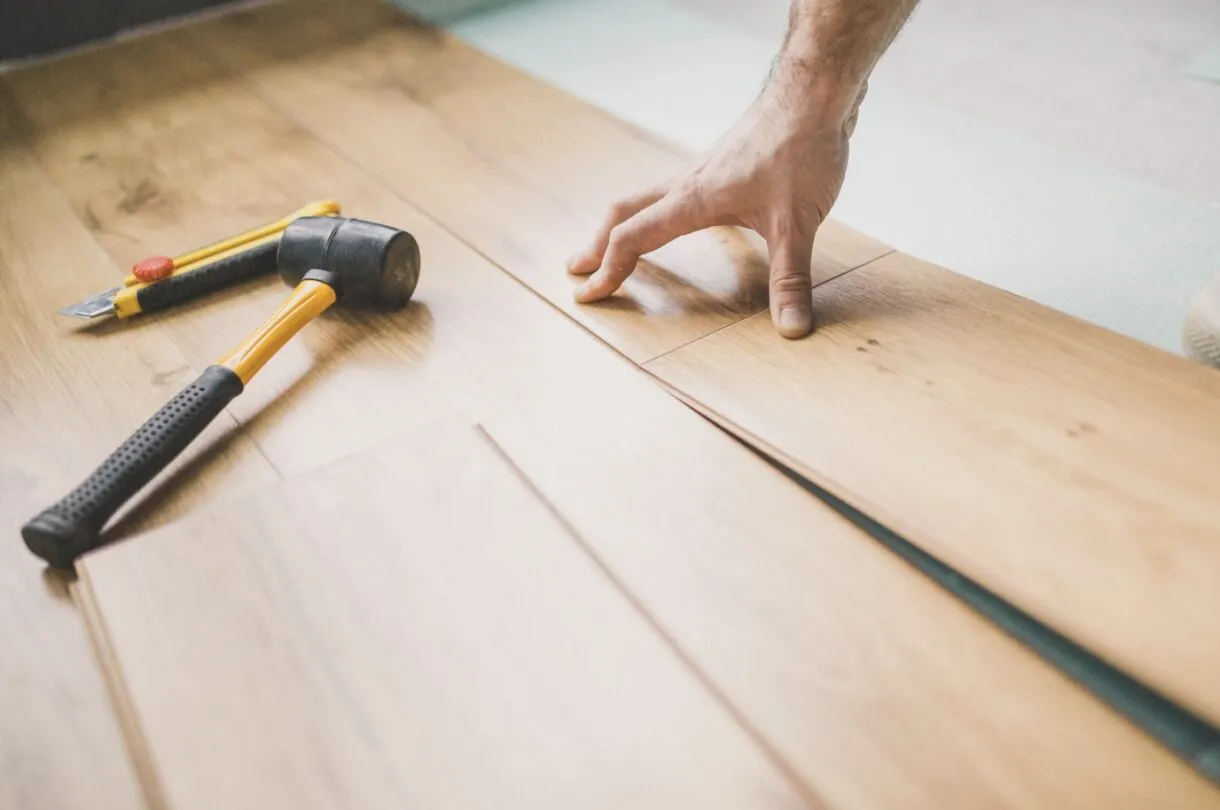
Moisture flooring answer
Water-resistant cork flooring planning
Water-resistant cork flooring decisions need honest moisture planning. Product construction, seams, substrate moisture, finish protection, spill cleanup, and installation method matter more than a single waterproof claim.
- Do not use cork flooring as a shortcut for active leaks or damp slabs.
- Compare glue-down cork when edges, finish, and bonded installation matter.
- Ask a specialist before ordering for bathrooms, laundry rooms, basements, or frequent spill areas.
Water-Resistant Cork Flooring
Before diving into cork flooring’s attributes, let’s first acquaint ourselves with its source: the cork oak tree or quercus suber, predominantly found in the Mediterranean. The unique climatic challenges of this region have bestowed cork with properties distinct from other hardwoods.
Cork’s cellular structure, consisting of over 50% air, alongside a waxy substance named Suberin, makes it an exceptional barrier to liquids and gases. Historically, cork’s impeccable seal has been invaluable to the wine industry, withstanding even the challenging oceanic conditions faced by champagne bottles salvaged from the Titanic.
Waterproofing and Cork Flooring: A Deeper Look
Cork’s natural water resistance does not automatically translate to all cork flooring being equally resistant. The method of installation and the type of cork flooring chosen play crucial roles.
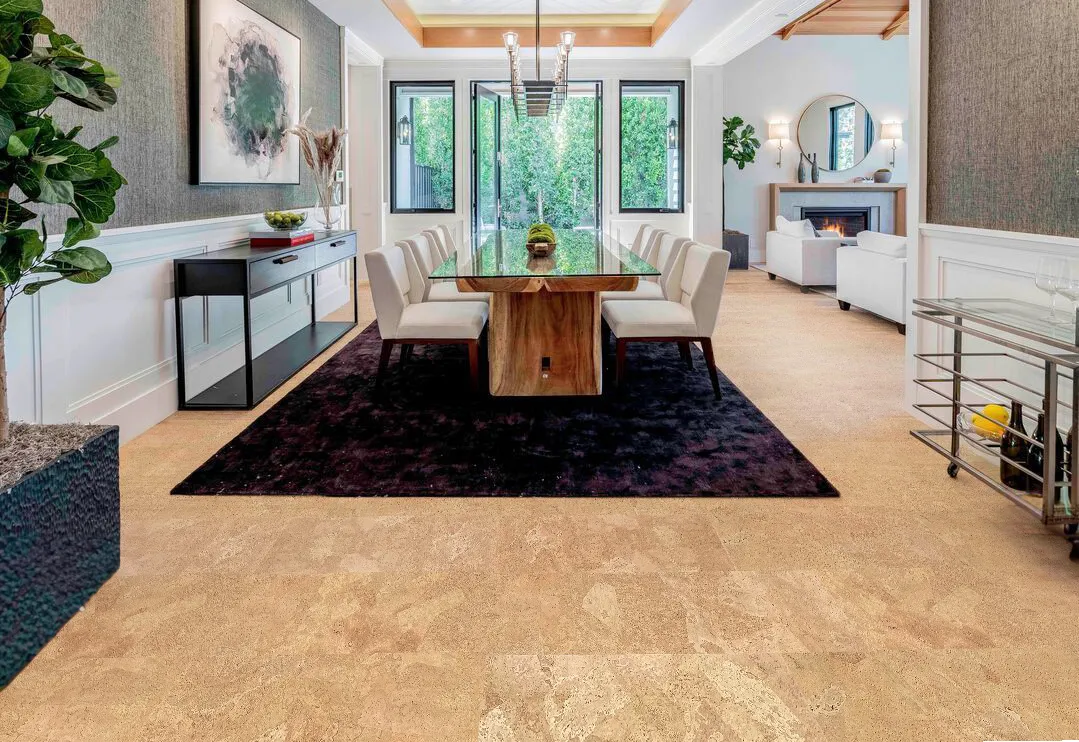
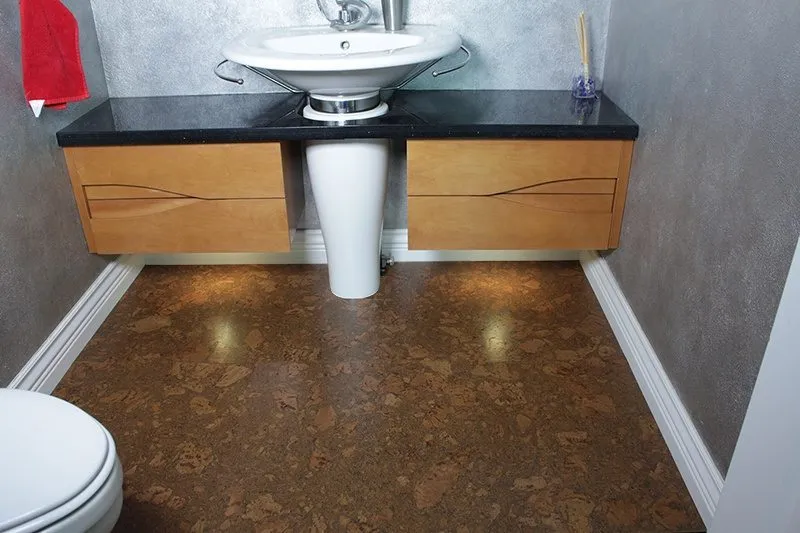
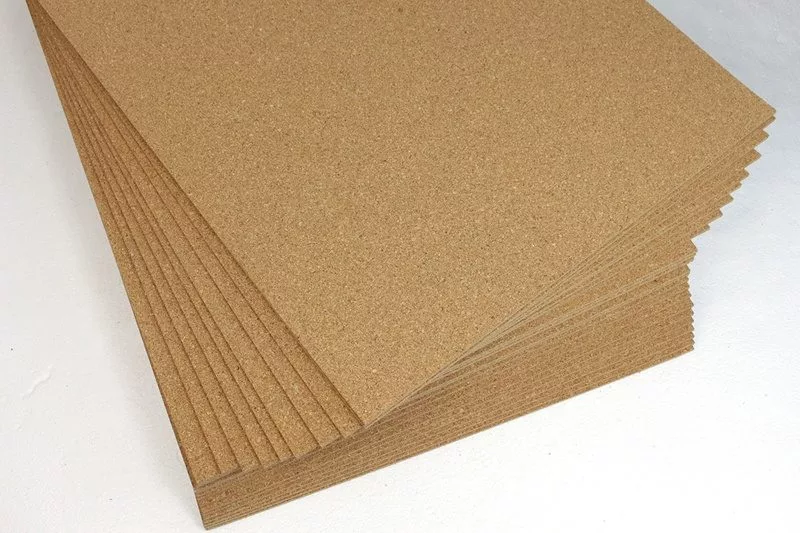
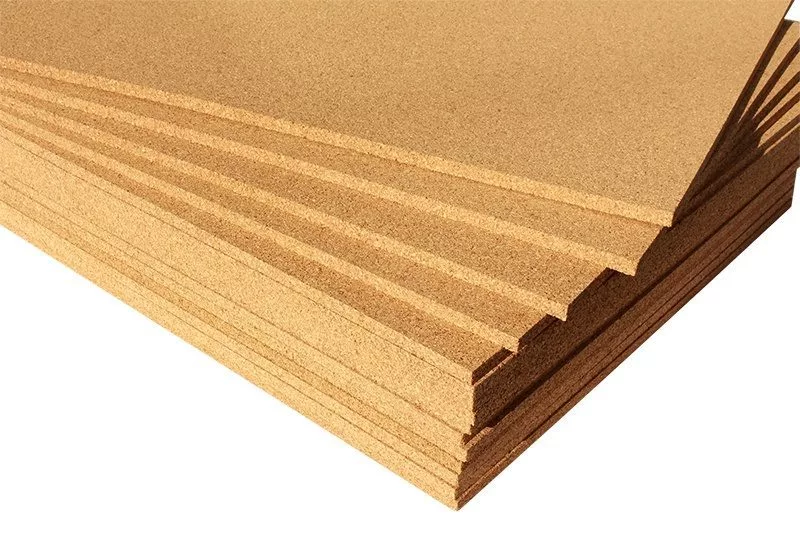
- Glued-Down Cork Flooring: This method employs tiles made directly from cork. Being closer to cork’s natural state, they retain more of its water-resistant qualities. They can be purchased finished or unfinished, and are typically suitable for at or above-grade subfloor applications.
- Floating Cork Flooring: These floors are more versatile in terms of installation location, but come with a caveat. Many floating cork floors have cores made of Medium Density Fibreboard (MDF) or High Density Fibreboard (HDF). These materials, while robust, aren’t inherently water-resistant. Thus, while the cork surface might repel water, the core could become compromised with prolonged moisture exposure.
Key Takeaways for Potential Buyers
-
While cork is naturally water-resistant, the type of cork flooring and its installation method can influence its overall resilience.
-
It’s advisable to address spills or standing water on cork flooring promptly. This is especially true for floating cork floors, where the core might be more susceptible to moisture damage.
-
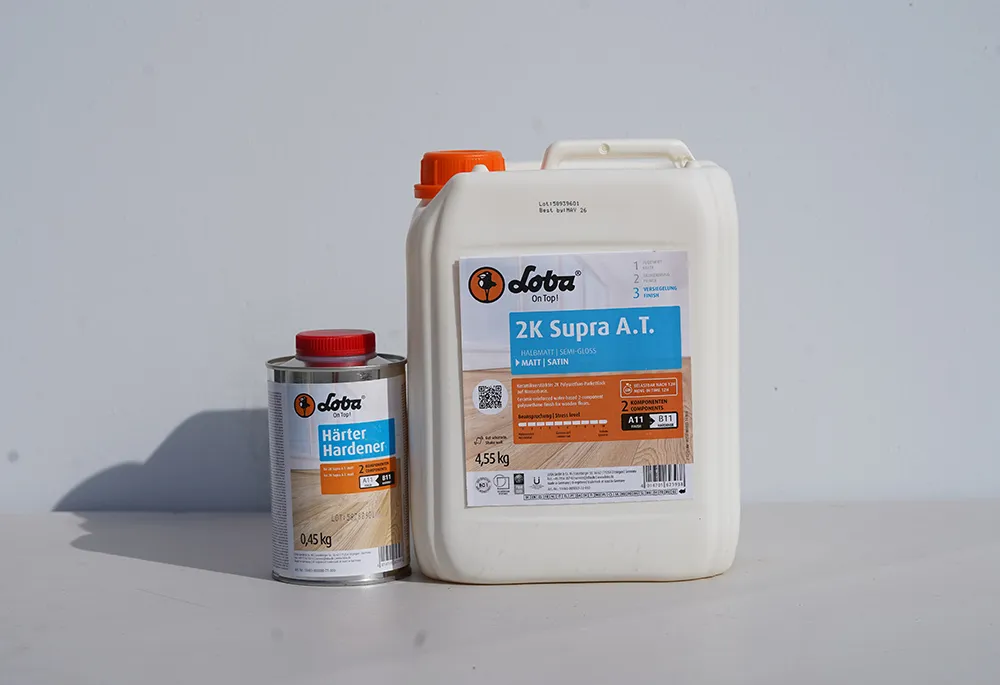
As an added precaution, ensure your cork flooring is installed correctly (as per manufacturer’s instructions) and consider sealing it with water-based polyurethane, especially focusing on seams.
In conclusion, cork flooring presents a uniquely beautiful, comfortable, and eco-friendly option. When considering its water-resistant properties, remember that all cork floors are not created equal. Choose wisely based on your specific needs and enjoy the myriad benefits cork flooring brings to your space.
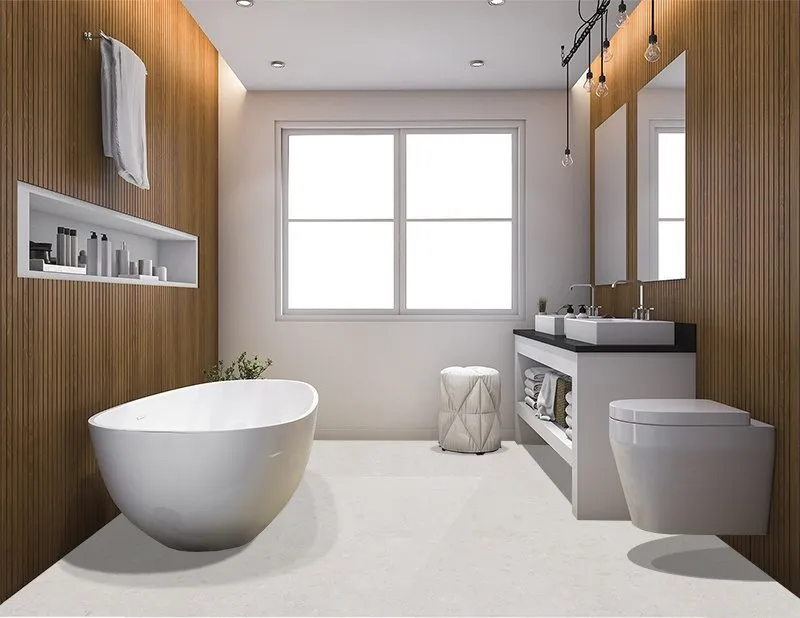
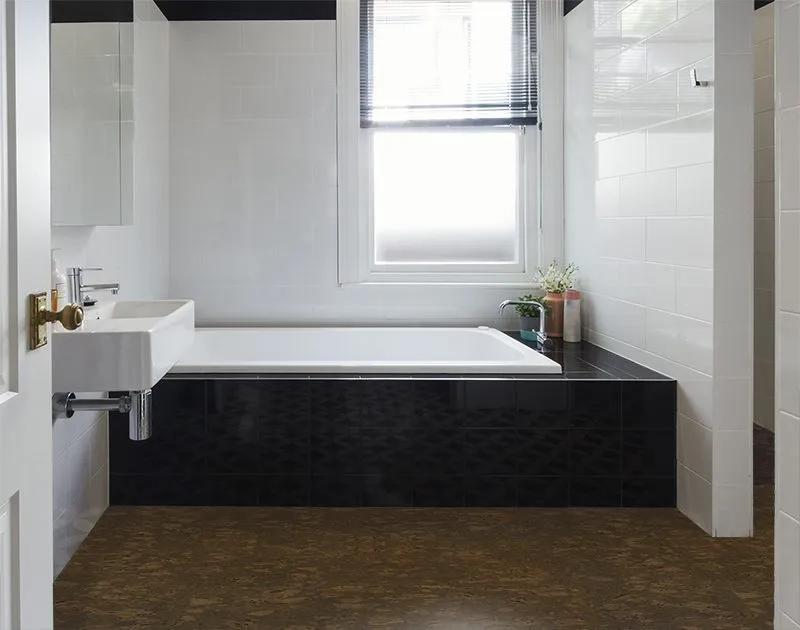
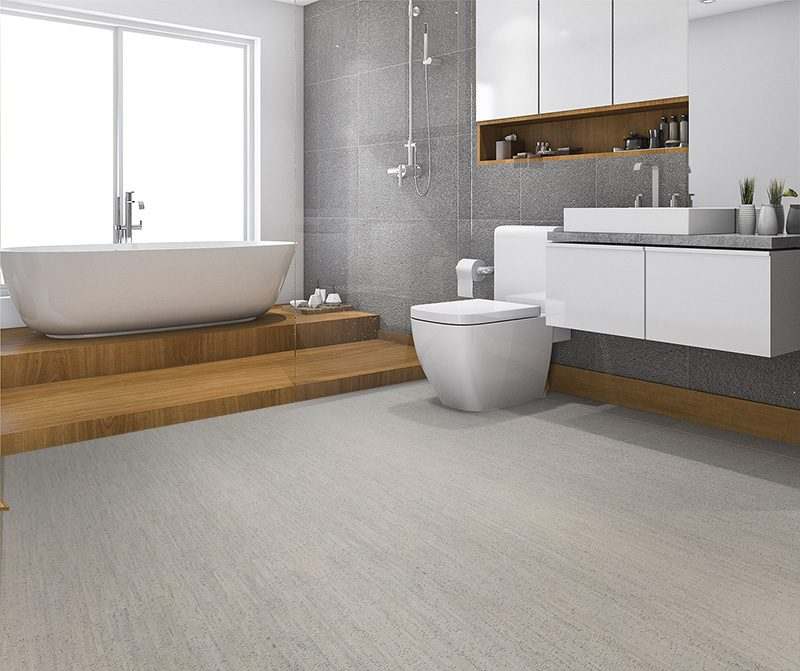
Plan water-resistant flooring carefully
Water-resistant flooring is not a shortcut for active moisture. Confirm product claims, substrate moisture, seams, finish, spill cleanup, and room use before ordering.
Separate water-resistant claims from room risk before samples
Water-resistant flooring visitors should confirm spills, seams, finish, substrate moisture, room use, product claims, and samples before ordering.
Frequently asked questions
Is cork flooring water-resistant?
Some cork floors can be water-resistant when the correct product, installation method, finish, maintenance, and room conditions are used, but cork is not a fix for active moisture.
Is cork flooring waterproof?
Do not treat cork as a waterproof shortcut. Product claims, seams, substrate moisture, finish, spills, and room use must be reviewed before choosing flooring.
Is glue-down cork better for moisture-conscious rooms?
Glue-down cork is often worth comparing for bathrooms, laundry rooms, entries, and other moisture-conscious rooms because the installation can be planned around edges and finish protection.
Should I ask a specialist before choosing water-resistant flooring?
iCorkfloor recommends asking a specialist when leaks, damp slabs, frequent spills, pets, bathrooms, laundry rooms, or basement moisture are part of the project.
 Flooring
 Wall & Ceiling Tiles
 Cork Underlayment
 Supplies & Guides