Cork can support sound-control projects when the product matches the problem: underlayment for floor impact sound, wall panels for room echo, and realistic expectations for the full assembly.
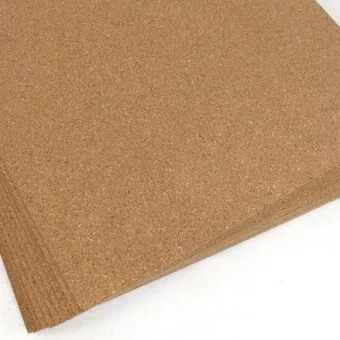
Compare 3mm, 6mm, and 12mm cork underlayment for floor assemblies.
Compare cork wall panels when the room needs decorative acoustic surfaces.
Ask a specialist before promising sound ratings or ordering full boxes.
👉 Footstep noise from upstairs is the #1 complaint
Many buildings try to fix this by requiring underlay with a certain IIC rating… But even after installation, complaints continue.
⚠️ Why Foam Underlay Often Fails
Most condo installations use foam underlay because it’s cheap and easy.
On paper:
✔ High IIC ratings ✔ Meets minimum building requirements
In real life:
❌ Noise still travels between floors ❌ Footsteps and impact sounds remain ❌ Complaints don’t go away
🔍 The Real Problem
Foam relies on IIC ratings, but:
IIC depends on the entire building structure
Results change from one building to another
It does NOT show the actual performance of the flooring itself
👉 That’s why many condos install thick foam… …and still receive noise complaints.
🎯 The Truth: You Need ΔIIC
ΔIIC = Real Sound Reduction
ΔIIC measures the actual improvement added by the flooring system itself
✔ Independent of building structure ✔ Real-world performance ✔ Industry gold standard (ASTM E2179)
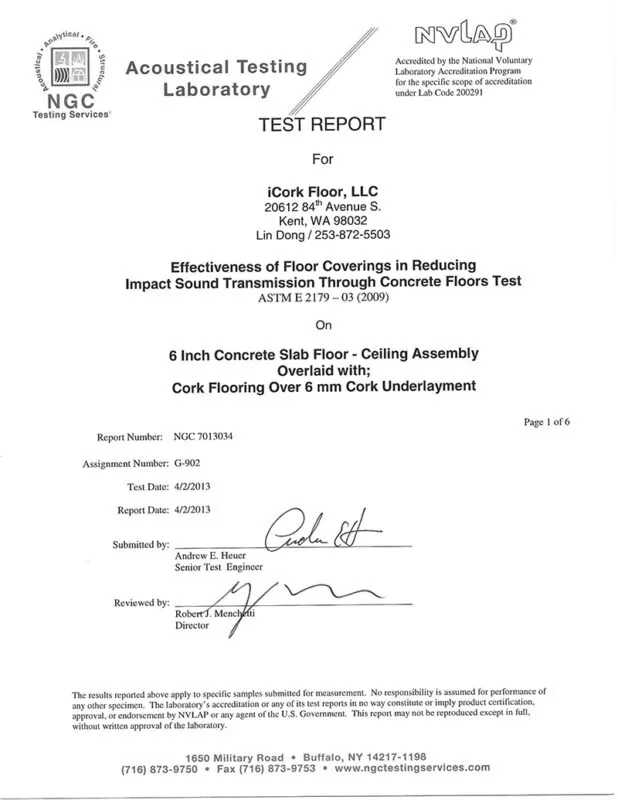
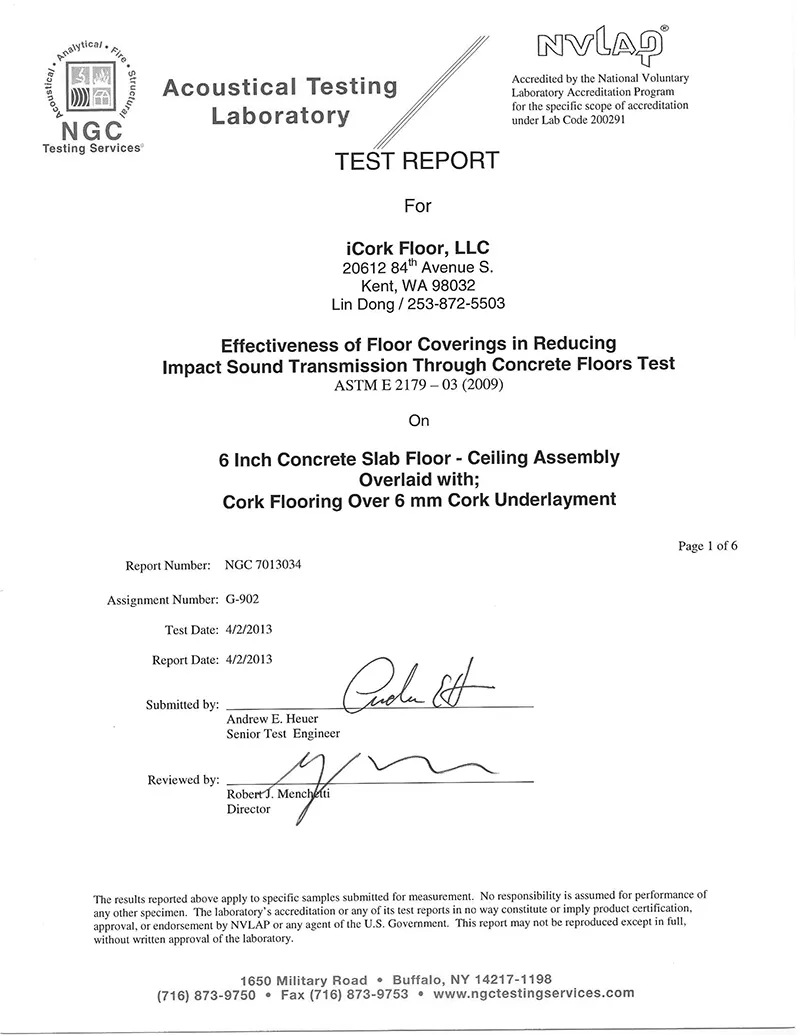
🧪 Proven Cork Performance
Tested system:
11mm cork floating flooring
6mm cork underlayment
Installed over concrete slab
👉 Result: ΔIIC +20 dB
🔊 What That Means for Condo Living
✔ Noticeably quieter floors ✔ Reduced noise to units below ✔ Fewer complaints from neighbors ✔ Better compliance with strata expectations
🏆 Why Cork Works (And Foam Doesn’t)
Foam:
Compresses under weight
Transfers vibration
Weak long-term performance
Cork:
✔ Natural cellular structure (millions of air cells) ✔ Absorbs vibration instead of passing it through ✔ Reduces both impact and airborne noise
👉 Cork is one of the top acoustic materials in the world Second only to solid rubber
📈 Want Even Better Soundproofing?
More cork = more performance
12mm cork flooring + 6mm underlay → ~24 dB improvement
12mm cork flooring + 12mm underlay → ~36 dB improvement
🏢 Designed for Condo Living
✔ Meets and exceeds typical building requirements ✔ Helps prevent future complaints ✔ Improves comfort for both you and your neighbors
🔊 The Bottom Line
Most floors are designed to meet minimum requirements Cork is designed to solve the problem
👉 If you want real noise reduction, don’t rely on IIC alone 👉 Choose a system proven with ΔIIC testing
📦 Get Started Today
Order samples and hear the difference:
Two test reports are available:
11mm cork flooring + 6mm underlay
12mm cork underlay
Contact us to receive a copy.
Download the Approval Kit
Need HOA sign-off for your new floor? The HOA Flooring Approval Kit is the download hub: per-thickness acoustic test statements, the ΔIIC +20 assembly test summary, indoor-air-quality certificates, and a fill-in cover letter your board can file.
Choose cork for sound control projects
Compare underlayment for floor impact noise and wall panels for room echo. Use test data for the relevant assembly.
Cork can help with sound-control projects when the right product is matched to the problem: underlayment for impact noise and wall panels for reflected room sound.
Is cork underlayment enough to soundproof a floor?
No single flooring layer guarantees soundproofing. Results depend on the full assembly, building structure, thickness, installation method, flanking paths, and project requirements.
Should I choose cork underlayment or cork wall panels?
Choose cork underlayment for floor impact sound planning and cork wall panels for decorative acoustic surfaces that help soften room echo.
Your privacy choices
Choose whether we may use analytics and advertising data to improve the store and measure campaigns. Necessary store functions always remain available.
 Ships USA-wide

 Flooring
 Wall & Ceiling Tiles
 Cork Underlayment
 Supplies & Guides