 Ships USA-wide

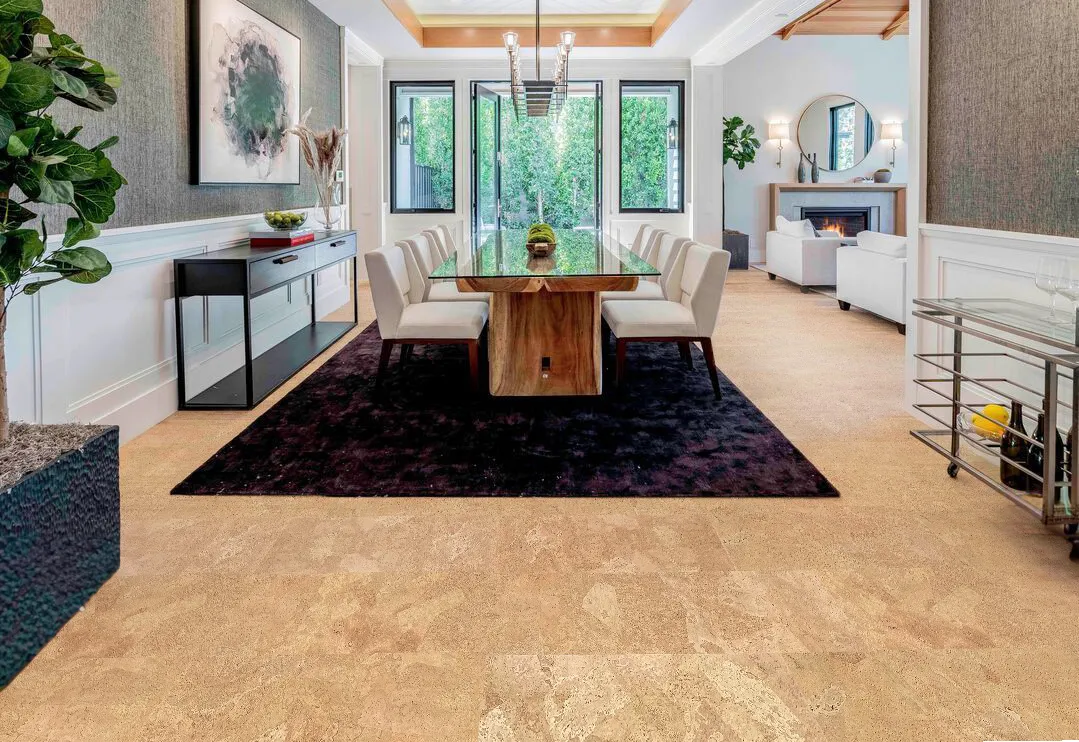
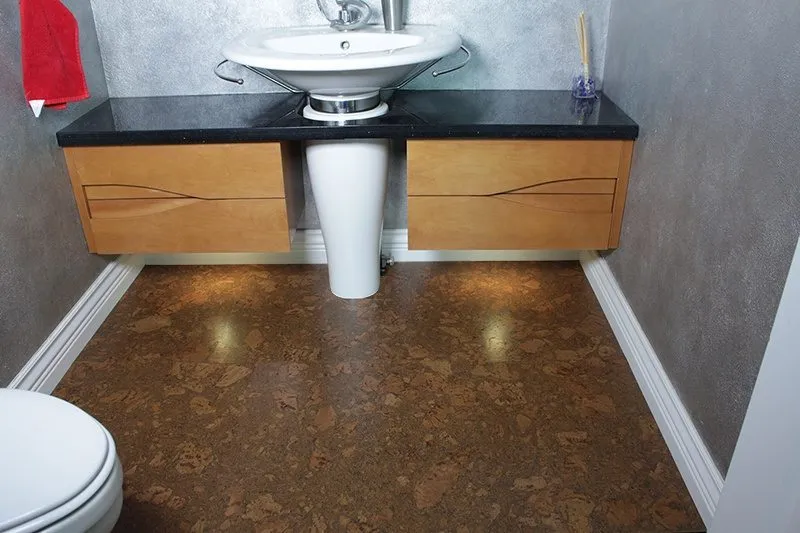
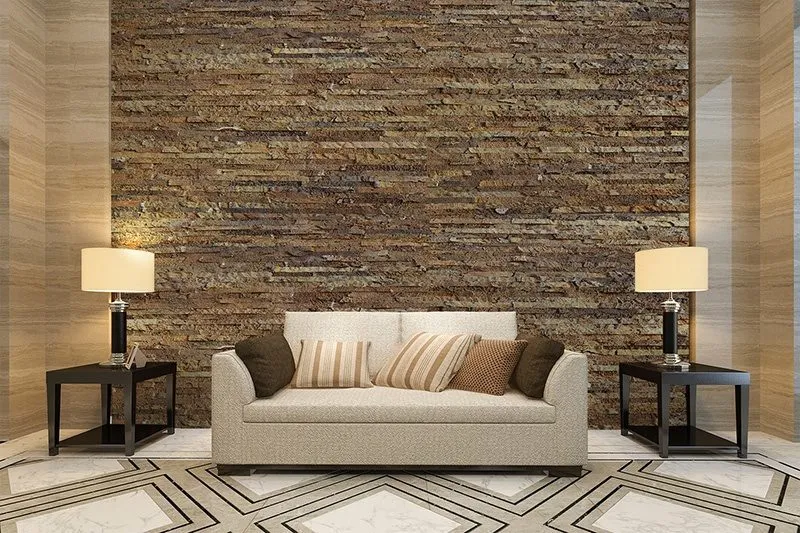
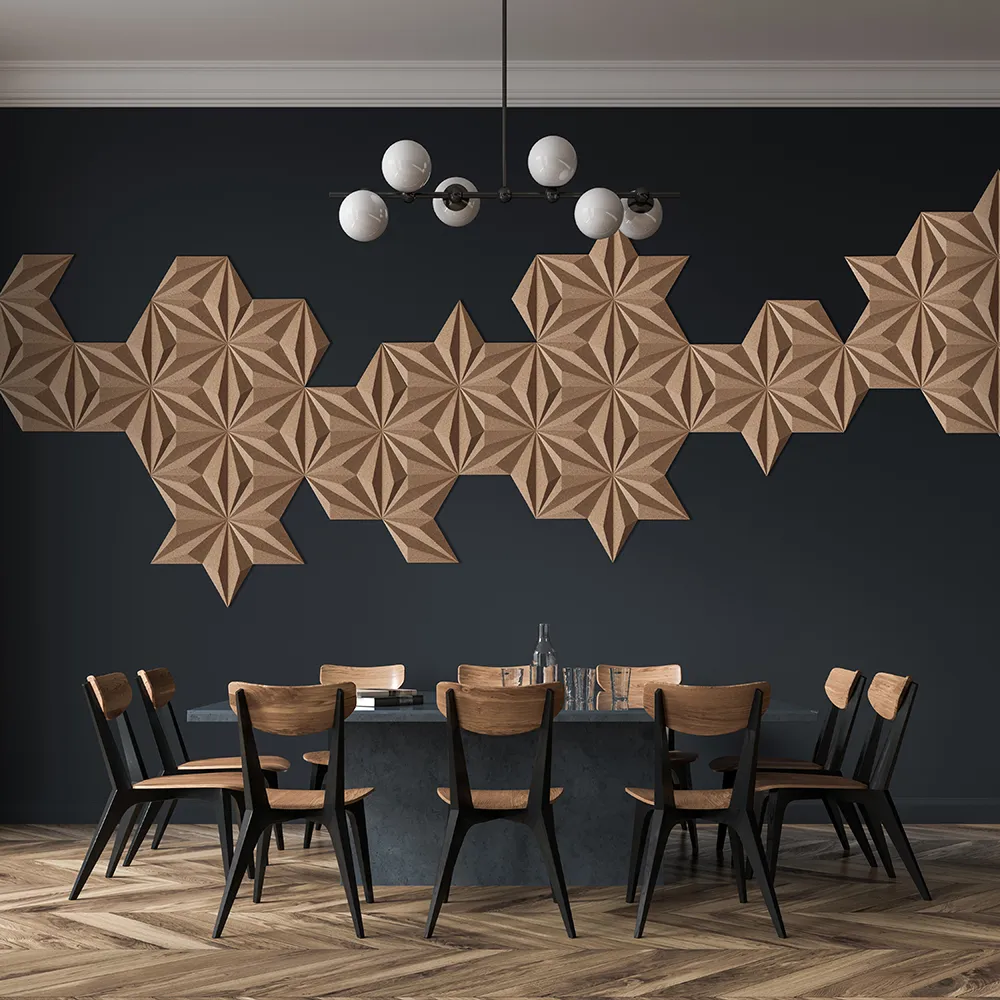

Cork Flooring for an Unheated Vacation Home or Seasonal Property
One of the most common questions we receive from owners of vacation homes, cabins, cottages, and other seasonal properties is:
“Can I install cork flooring if the house will not be heated all winter?”
The short answer is: Yes, cork can be an excellent choice for a seasonal property — but an unheated building is outside the normal environmental conditions required by flooring manufacturers, so it is important to understand the difference between warranty requirements and real-world performance.
First, Understand the Warranty
Like virtually all interior flooring products, cork flooring is designed and warranted for use in a controlled indoor environment.
Typical required interior conditions are approximately:
Temperature: 59°F–83°F (15°C–28°C)
Relative Humidity: 30%–65%
If a vacation home is left unheated through a very cold winter and temperatures fall well outside this range, the flooring is being used outside the manufacturer’s specified conditions. Damage resulting from those conditions would therefore not normally be covered by the manufacturer’s warranty.
This is not unique to cork.
Hardwood, engineered wood, laminate, vinyl, linoleum, adhesives, finishes, and many other products intended for indoor use also have specified temperature and humidity ranges.
An unheated seasonal property is simply a more demanding environment for any interior flooring material.
Why Cork Is Particularly Interesting for Seasonal Homes
Although the manufacturer’s warranty still requires normal indoor conditions, our experience with cork in cold climates has been very encouraging.
Cork is structurally very different from wood.
Wood has a fibrous grain structure and naturally expands and contracts as environmental conditions change. Cork, by contrast, has a cellular structure consisting of millions of microscopic closed cells.
This cellular structure is one of the reasons cork is naturally:
- thermally insulating
- resilient
- dimensionally stable
- comfortable underfoot
- resistant to rapid temperature transfer
This is also why cork has historically been popular in colder climates.
We have discussed cold-climate installations directly with our European manufacturers. Cork flooring has been sold and installed for decades in very cold regions, including Russia and other northern European markets, with very good long-term experience.
That does not mean that cork flooring is warrantied for unlimited temperature extremes. It means that, based on both manufacturer experience and our own field experience, cork itself has characteristics that make it particularly well suited to challenging cold-climate applications.
The Cork Itself Is Usually Not the Biggest Concern
There is an important distinction here.
When temperatures fall far below normal indoor conditions, it is not necessarily the cork material itself that concerns us most.
A finished flooring product is a complete system. Depending on the product, it can include:
- cork
- surface coatings
- adhesives
- locking systems
- HDF or other core materials
Each component can react differently to extreme temperatures.
For example, the cork itself is remarkably stable, but extremely low temperatures can place additional stress on surface finishes and adhesives.
This is why we never tell customers that an indoor cork floor is “freeze-proof.”
Instead, we evaluate the complete flooring system and the conditions in which it will be installed.
Glue-Down Cork vs. Floating Cork
For a normally heated home, both floating cork and glue-down cork are excellent options.
For a seasonal property that may remain completely unheated during a very cold winter, however, we generally prefer glue-down cork when the subfloor and installation conditions allow it.
Why?
Traditional glue-down cork flooring is predominantly cork and does not contain the HDF core found in many floating cork floors.
A floating cork floor can perform very well and has the additional advantage of providing excellent insulation and comfort. However, the HDF core introduces another material that can respond to large changes in temperature and humidity.
A properly installed glue-down cork floor is therefore a simpler and potentially more stable system for an extreme seasonal environment.
This recommendation is also consistent with the experience of professional cork installers we have worked with.
One experienced cork flooring contractor in Winnipeg — a city known for extremely cold winters — has installed cork flooring for more than 30 years. For unheated applications, his preference is glue-down cork. He has even had glue-down cork installed in an unheated trailer for approximately 15 years with very good results.
That is a real-world example, not a warranty or guarantee, but it illustrates why we take glue-down cork seriously for seasonal properties.
The Adhesive Matters Too
If glue-down cork is being considered for a property that may experience very low winter temperatures, adhesive selection becomes especially important.
Not every flooring adhesive is designed to tolerate the same environmental conditions.
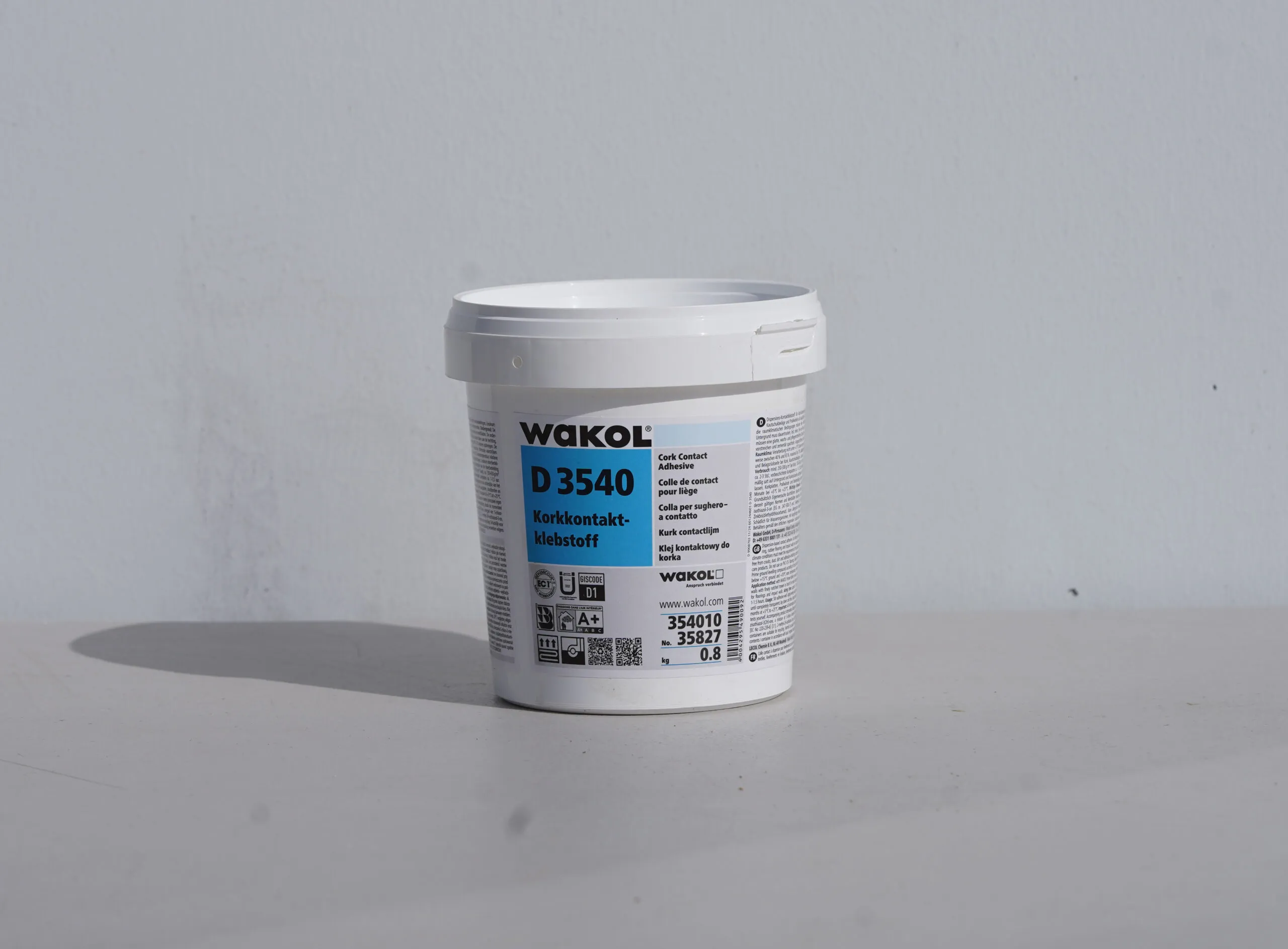
For particularly demanding seasonal installations, we have received good field feedback using a water-based contact adhesive such as 3M 30NF, which has been preferred by experienced installers for applications involving significant temperature changes.
We would evaluate the specific installation before recommending an adhesive, because the substrate, expected minimum temperature, moisture conditions, and flooring construction all matter.
What About Floating Cork Flooring?
Floating cork should not automatically be ruled out.
We have had many successful cork installations in cold climates, and floating cork offers some significant advantages for a vacation home.
Cork is naturally warm to the touch, and the cork layers in a floating floor provide useful thermal insulation. Adding cork underlayment can further improve the comfort of a cold floor.
For a seasonal property that remains reasonably protected and does not experience severe indoor temperature and humidity extremes, floating cork may still be a very practical choice.
However, if the building will be completely unheated through a severe winter, we would generally consider glue-down cork first.
What Flooring Is “Perfect” for an Unheated Vacation Home?
Unfortunately, there really is no perfect interior flooring for a building that experiences outdoor-like winter temperatures.
Once a house is allowed to become extremely cold, almost every interior building material is being asked to perform outside the conditions for which it was designed.
Hardwood and laminate contain wood-based materials. Vinyl and other resilient floors have their own temperature limitations. Adhesives and surface coatings also have operating ranges. Even carpet and its backing materials age over time.
The most temperature-tolerant options may be materials such as certain stone, tile, or other products specifically designed for those conditions — but they provide a very different feel from a warm natural floor.
For homeowners who want the warmth, quietness, resilience, and comfort of a natural flooring material, cork is one of the options we are most comfortable discussing for a seasonal property.
Our Recommendation
If you have an unheated cabin, cottage, vacation home, or seasonal property, don’t choose a floor based only on the word “warranty.”
Start by looking at the actual conditions:
How cold will the interior become?
How long will the property remain unheated?
What is the subfloor — concrete, plywood, or something else?
Is moisture or condensation possible?
Can glue-down flooring be installed?
Will the home occasionally be heated during the winter?
For normal conditioned interiors, follow the manufacturer’s required temperature and humidity ranges.
For a property that will be left unheated outside those ranges, understand that the installation is outside normal warranty conditions. No responsible flooring company should promise otherwise.
However, based on decades of cork use in cold climates, feedback from our manufacturers, professional installers, and our own customers, cork remains one of our preferred flooring materials for seasonal homes where the owner wants a warm, comfortable natural floor.
And for properties exposed to particularly severe winter temperatures, a properly installed glue-down cork floor is generally our first choice over an HDF-core floating floor.
The key is choosing the right cork construction, adhesive, and installation method for the actual conditions of the property.
 Flooring
 Wall & Ceiling Tiles
 Cork Underlayment
 Supplies & Guides