 Ships USA-wide


Understanding the Natural Texture of Cork Flooring: Beauty, Character, and Easy Maintenance
Why Does Some Cork Flooring Have Small Surface Pits or Textures?
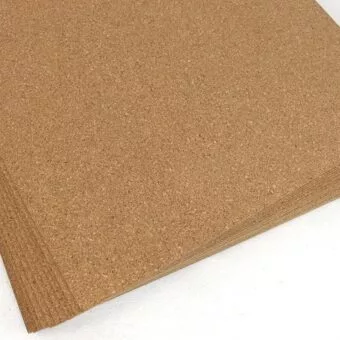
One of the unique characteristics of natural cork flooring is its surface natural cork flooring texture. Unlike laminate or other synthetic flooring materials, which are often manufactured to have a perfectly smooth and uniform appearance, natural cork flooring may feature subtle textures, tiny depressions, and variations across its surface.
These characteristics are not necessarily imperfections. They are part of what makes natural cork flooring distinctive.
1. Cork Is a Natural Material, Not an Artificially Manufactured Surface
Cork comes from the bark of the cork oak tree, which grows naturally over many years before its bark is harvested.
During its growth, the bark develops a complex cellular structure with natural variations, pores, and irregularities. Environmental conditions and the natural growth process contribute to the character of the material.
When cork is processed into flooring, some of these natural characteristics remain visible, depending on the design and manufacturing process.
Unlike printed laminate flooring, natural cork is not intended to look perfectly identical from one plank to another.
Its natural variations are part of its beauty and authenticity.
2. Why Are Some Cork Flooring Patterns Smoother Than Others?
Not all cork flooring has the same surface texture.
Some cork patterns have a relatively smooth and even appearance, while others feature more noticeable natural textures and small surface depressions.
These differences are influenced by several factors:
-
The natural structure and characteristics of the cork bark.
-
The size and arrangement of cork granules or veneers.
-
The manufacturing techniques used to create each pattern.
-
The surface finishing and protective coating processes.
Some decorative cork patterns also involve careful manual selection and arrangement of natural cork materials to create their distinctive appearance.
For example, certain cork flooring designs have a more refined, relatively smooth surface, while others intentionally retain more of the natural cork texture.
A smoother surface does not necessarily indicate better quality, just as a more textured surface does not indicate lower quality.
They simply offer different appearances and design preferences.
3. Will Small Surface Pits Trap Dirt or Make Cork Flooring Difficult to Clean?
This is one of the most common questions we receive from customers.
The good news is that properly finished cork flooring is generally very easy to maintain, even when it has a naturally textured surface.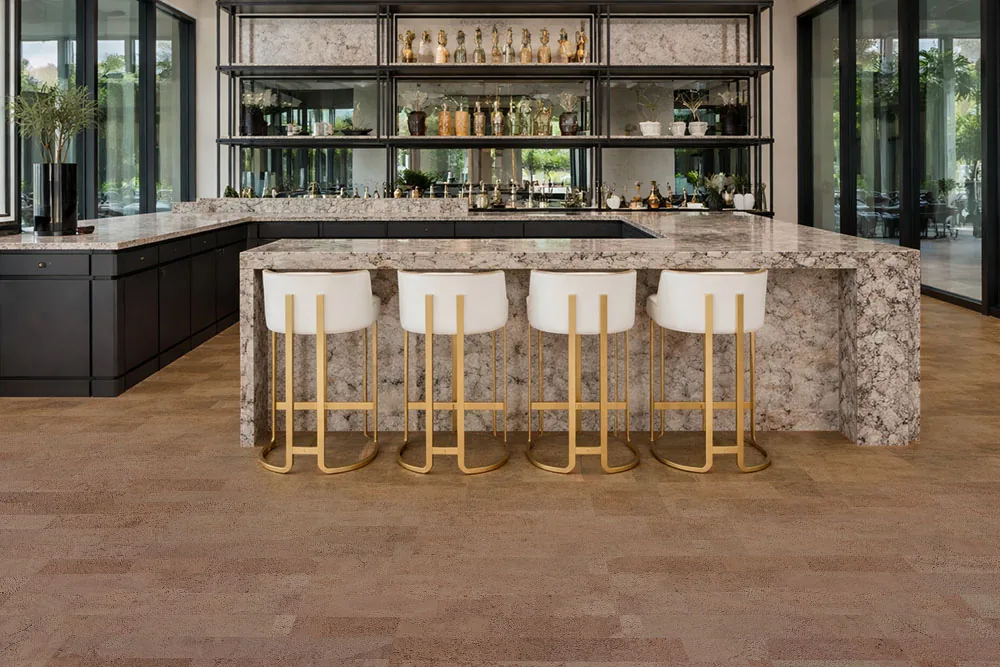
The small, shallow surface depressions found in certain cork patterns are not the same as deep, open holes in an unfinished material.
With an appropriate protective finish, everyday dust and dirt can normally be removed through regular cleaning.
Natural cork also has antistatic properties, which can help reduce the attraction of airborne dust compared with some other surfaces.
For routine maintenance, we recommend:
-
Sweeping or vacuuming with a suitable hard-floor attachment.
-
Using a slightly damp microfiber mop when needed.
-
Avoiding excessive water, harsh chemicals, and abrasive cleaning tools.
-
Following the recommended cleaning instructions for the flooring’s protective finish.
A naturally textured surface does not automatically mean more difficult maintenance.
Of course, no flooring is completely maintenance-free, and spills or accumulated dirt should always be cleaned promptly.
4. Our Experience with Natural Cork Flooring
At Cork we have specialized in cork flooring almost 20 years.
We have used natural cork flooring in our own homes, offices, and showroom, giving us firsthand experience with its appearance, durability, and everyday maintenance.
From our experience, the subtle natural textures found in many cork flooring patterns have not presented significant cleaning difficulties under normal residential and office conditions.
We understand that some customers may initially be concerned when they notice tiny depressions in the surface, particularly if they are accustomed to perfectly smooth laminate flooring.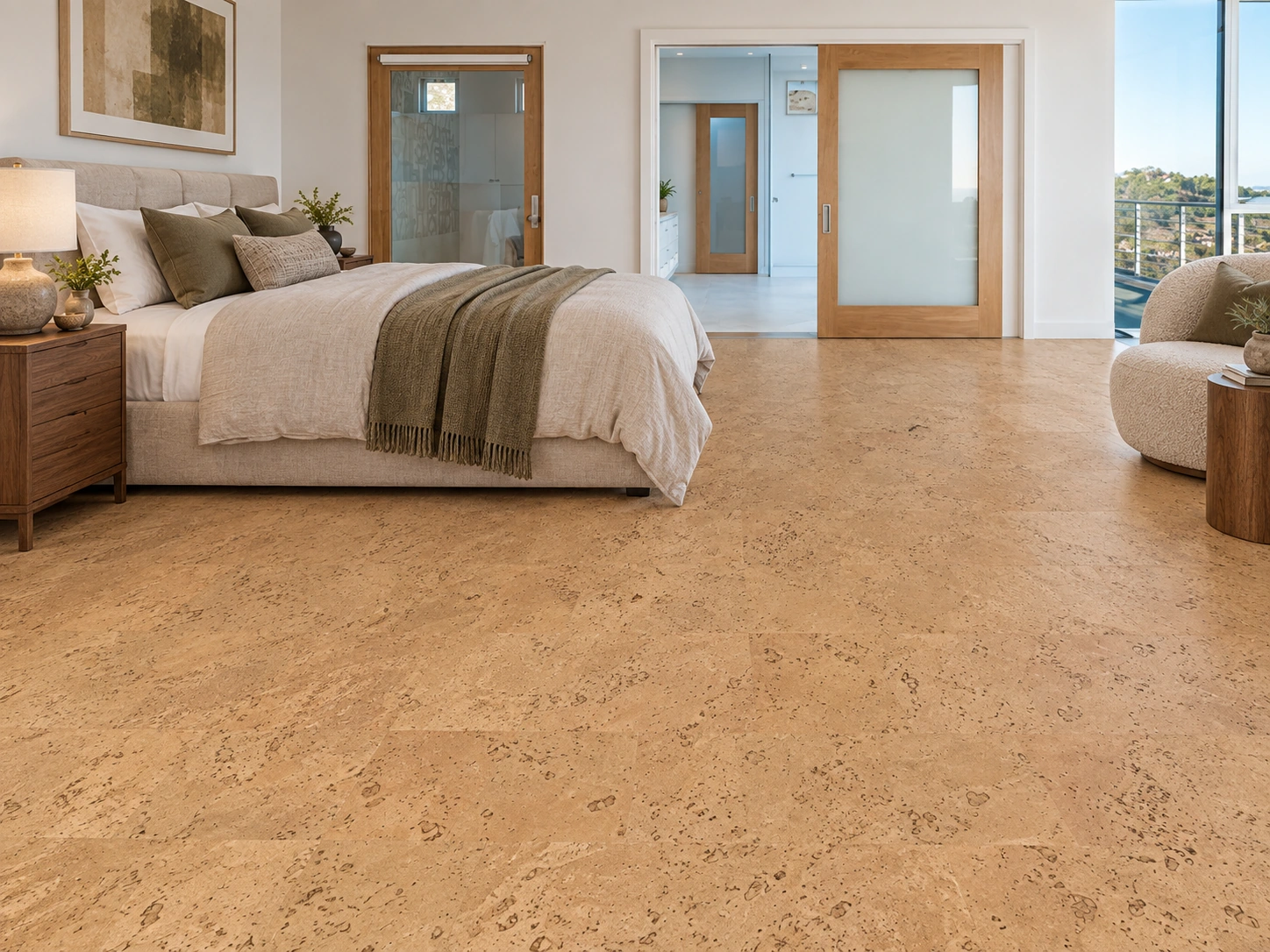
However, these natural surface characteristics are common in many traditional cork flooring designs and do not, by themselves, indicate a problem with the flooring.
5. Choosing Between Smooth and Textured Cork Flooring
We recognize that everyone has different preferences.
Some homeowners love the organic appearance and tactile character of natural cork, including its subtle surface variations.
Others prefer a cleaner, smoother, more uniform appearance.
Both preferences are perfectly reasonable.
That is why we offer a wide selection of cork flooring patterns, including designs with relatively smooth surfaces and others that showcase more pronounced natural textures.
If you prefer a smoother surface with fewer visible depressions, our team can help you identify suitable cork flooring options.
We also recommend ordering samples before purchasing, as photographs may not fully communicate the surface texture of a natural material.
6. Natural Texture Is Part of Cork’s Unique Character
One of the reasons people choose cork flooring is that it offers something different from conventional synthetic flooring.
Its warmth, comfort underfoot, natural appearance, and unique surface characteristics create a flooring experience that cannot always be replicated by printed materials.
The subtle textures found in certain cork patterns are a reminder that the flooring originates from real cork bark rather than a perfectly uniform artificial surface.
Natural cork flooring is not about achieving absolute uniformity. It is about appreciating the character of a genuine natural material while enjoying the comfort and practicality of a finished flooring product.
At cork, we are always happy to help customers select a cork flooring pattern that matches both their design preferences and practical needs.
 Flooring
 Wall & Ceiling Tiles
 Cork Underlayment
 Supplies & Guides