 Ships USA-wide

Radiant heat answer
Cork flooring over radiant heat
Cork flooring over radiant heat needs product approval, surface temperature limits, acclimation, subfloor preparation, underlayment rules, and installation instructions confirmed before ordering.
- Check the cork product temperature limits and heating system requirements.
- Compare floating and glue-down cork by substrate, heat system, and room use.
- Order samples and ask a specialist before buying full boxes for radiant heat rooms.
Cork Flooring Over Radiant Heat
Radiant heating systems are one of the most efficient and comfortable ways to heat a home. But to maximize efficiency and avoid long-term issues, it’s critical to choose the right type of flooring. Not all floors perform well under heat, and some installations can fail if humidity and temperature limits aren’t properly managed.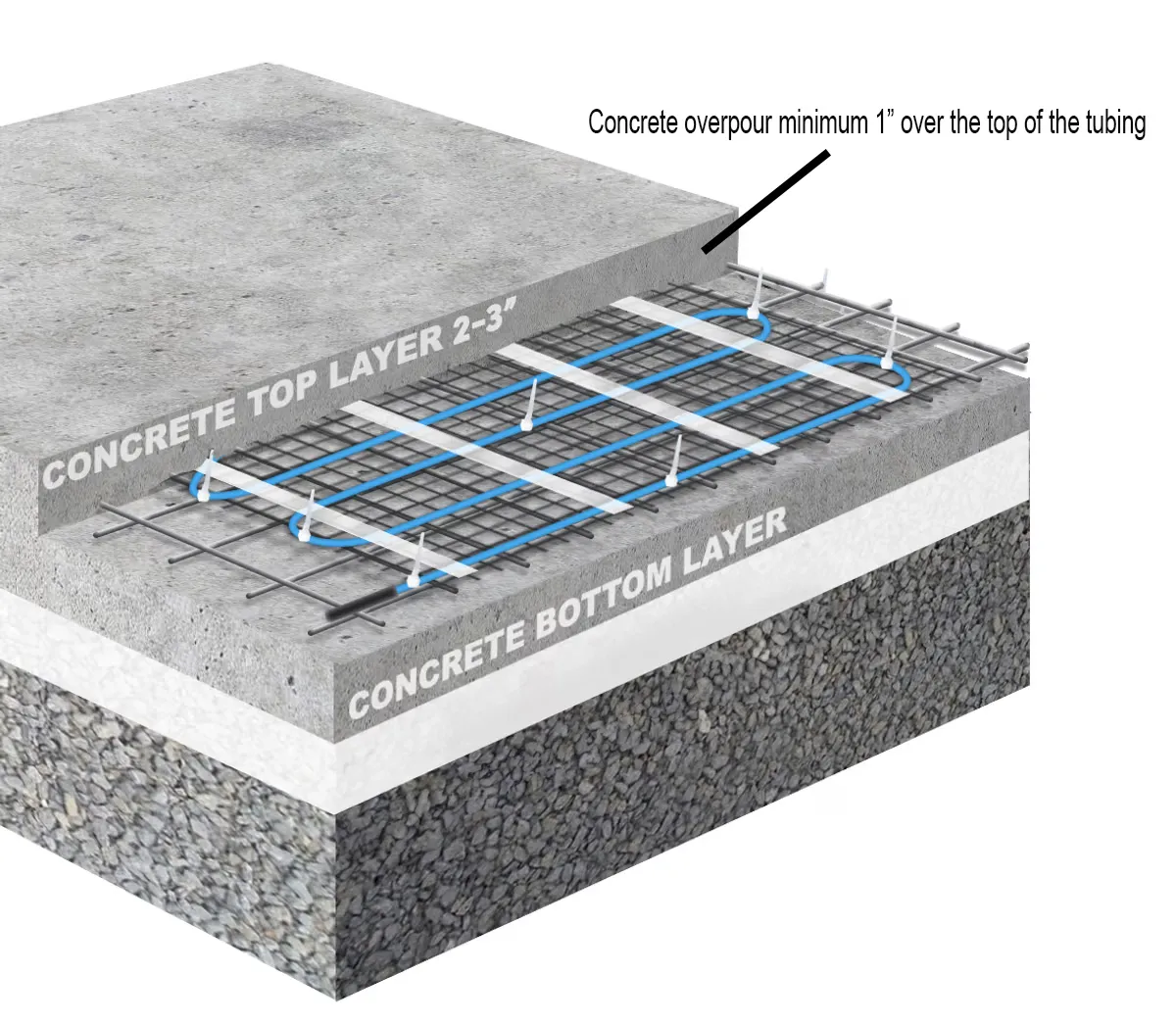
At iCork Floor, we’ve worked with thousands of radiant heating projects and can confidently recommend the best flooring solutions.
Why Cork is an Ideal Choice
Cork flooring is an excellent material to install over radiant heating systems. Like wood, cork will expand and contract slightly as temperatures rise, but cork is generally more dimensionally stable than wood.
-
Wood expands only along the grain, creating more noticeable movement.
-
Cork expands in all directions, which spreads out the stress and makes the movement less noticeable.
-
Since cork floating floors are not attached to the subfloor, they move as a unit, reducing the risk of damage.
Another unique advantage: cork keeps heat more efficiently than many other flooring materials. It may take longer to warm up because cork is a natural insulator, but once warm, it holds heat and helps keep the room comfortable. Even when the radiant system is off, cork flooring can make a cold concrete floor feel warmer underfoot.
Floating Flooring – The Best Choice
When it comes to radiant heating, floating flooring is our strong recommendation. Floating floors are stable, easy to install, and allow for controlled expansion and contraction under temperature changes.
Among our product line, Techslate floating flooring stands out as the best performer for radiant heating systems. It works with both hydronic (water/gel) and electric systems, offering:
-
Excellent heat transfer
-
Durability under fluctuating temperatures
-
Moisture resistance
Check the Techslate product’s radiant-heating approval and temperature limits.
Thinner Floors Work Better
With cork and in-floor radiant heating, thinner is better.
For many small spaces like bathrooms, cork itself adds so much insulation that customers often find they don’t need to run their radiant heating at all. A simple baseboard or forced-air heater can provide enough supplemental heat, and cork will help retain it—sometimes raising the perceived temperature of a room by up to 7°C (12°F).
Review the flooring and heating system’s compatibility, temperature limits and thermal resistance before installing radiant heating.
Why We Don’t Recommend Glue-Down Cork Tiles
While cork glue-down tiles can technically be installed over hydronic radiant systems, our experience shows that this method often fails.
The main problem? Moisture control under concrete.
-
If humidity is not carefully managed, water can seep up and compromise the adhesive bond.
-
Many failed installations are traced back to poor vapor barriers or uncontrolled subfloor moisture.
Because of this risk, we do not recommend glue-down cork tiles over radiant heating—especially in homes without professional-grade moisture control.
Product Compatibility Chart
Here’s a quick guide to which of our products are compatible with hydronic (water/gel) and electric radiant heating systems:
| Flooring Type | Hydronic Radiant (Water/Gel) | Electric Radiant |
|---|---|---|
| 12mm Cork Floating Flooring | Yes | No |
| 11mm Swiss Cork Floating Flooring | Yes | Yes |
| 11mm Swiss Design Cork Floating Flooring | Yes | Yes |
| 10.5mm Design Cork Floating Flooring | Yes | No |
| 10mm Cork Floating Flooring | Yes | No |
| 8mm Glue-Down Cork Tile | Yes (not recommended) | No |
| 6mm Glue-Down Cork Tile | Yes (not recommended) | No |
| Techslate Floating Flooring | Yes | Yes |
| Real Leather Floating Flooring | Yes | Yes |
| Forna Natural Composite Floating Flooring | Yes | Yes |
| Real Swiss Stone Floating Flooring | Yes | Yes |
Important Installation Notes
-
For electric radiant heating systems, all floating floors must stay below a surface temperature of 29°C (84°F) once the system is running.
-
Always follow the manufacturer’s heating ramp-up schedule. Sudden heat increases can cause damage.
-
Use proper underlayments designed for radiant heating to maximize efficiency and protect the floor.
Final Recommendation
If you’re looking for the best flooring for radiant heating systems, choose a floating floor—and specifically, Techslate for top performance. While glue-down cork tiles can technically work over hydronic systems, we’ve seen too many failures due to moisture issues to recommend them.
Cork’s insulating qualities mean thinner products generally transfer radiant heat more efficiently. Confirm product compatibility and operating limits before installation.
Follow the product’s radiant-heating and installation requirements, including temperature limits and subfloor preparation.
Lorem ipsum dolor sit amet, consectetuer adipiscing elit, sed diam nonummy nibh euismod tincidunt ut laoreet dolore magna aliquam erat volutpat.
Plan cork flooring over radiant heat
Radiant heat projects need product approval, surface temperature limits, acclimation, subfloor, moisture, and underlayment rules confirmed before buying.
Check radiant heating requirements
Check product approval, surface temperature limits, acclimation, moisture and underlayment requirements.
Frequently asked questions
Can cork flooring be used over radiant heat?
Some cork floors can be used over approved radiant heat systems when product temperature limits, subfloor conditions, acclimation, and installation instructions are followed.
What should I check before installing cork over radiant heat?
Confirm the heating system type, maximum surface temperature, substrate, moisture, underlayment rules, adhesive compatibility, and product instructions before ordering.
Should I order samples for radiant heat flooring?
iCorkfloor recommends samples so buyers can compare cork thickness, finish, color, and underfoot feel before choosing a radiant heat flooring product.
 Flooring
 Wall & Ceiling Tiles
 Cork Underlayment
 Supplies & Guides