 Ships USA-wide


How to Achieve an IIC 72 Rating in Your Condo
A Practical Guide for Condo Owners and HOA Requirements
One of the most common questions we receive from condo owners is:
“My HOA requires an IIC rating of 72. Which flooring should I choose?”
The answer depends on your building’s floor structure and the sound reduction performance of the flooring system you install.
If you live on the second floor or above, your condominium association may require a minimum Impact Insulation Class (IIC) rating before approving a flooring renovation. These requirements are designed to reduce footstep noise, moving furniture noise, and other impact sounds transmitted to the unit below.
Fortunately, cork flooring is one of the most effective natural materials available for reducing impact noise while providing comfort, warmth, and durability.
Understanding IIC Requirements
IIC (Impact Insulation Class) measures how well a floor assembly reduces impact noise between floors.
Typical HOA requirements include:
-
IIC 60 – Minimum requirement in some buildings
-
IIC 65 – Common requirement
-
IIC 70 – High-performance requirement
-
IIC 72 or higher – Premium condo and luxury apartment requirements
The challenge is that every building is constructed differently.
A 6-inch concrete slab, an 8-inch concrete slab, and a wood-frame floor system will all produce different final IIC ratings even when the same flooring is installed.
For this reason, the most important number to compare is not always the final IIC rating—it is the amount of sound reduction the flooring system adds to the building.
Understanding Different Sound Test Standards
When researching flooring products, you may encounter several acoustic performance measurements.
Delta IIC (ΔIIC)
Delta IIC measures how much impact sound reduction a flooring product adds to an existing floor assembly.
The higher the Delta IIC value, the greater the sound reduction.
FIIC (Field Impact Insulation Class)
FIIC testing is performed in actual buildings rather than laboratory conditions.
Because every building is different, FIIC results can vary depending on floor structure, ceiling construction, insulation, and installation quality.
European Impact Sound Reduction Testing
Many premium European flooring products are tested according to EN ISO 717-2 and EN 140 standards.
These tests measure impact sound reduction (ΔLw), which indicates how much noise is reduced by the flooring system.
Higher values indicate greater sound reduction performance.
Sound Reduction Performance of Our Flooring Systems
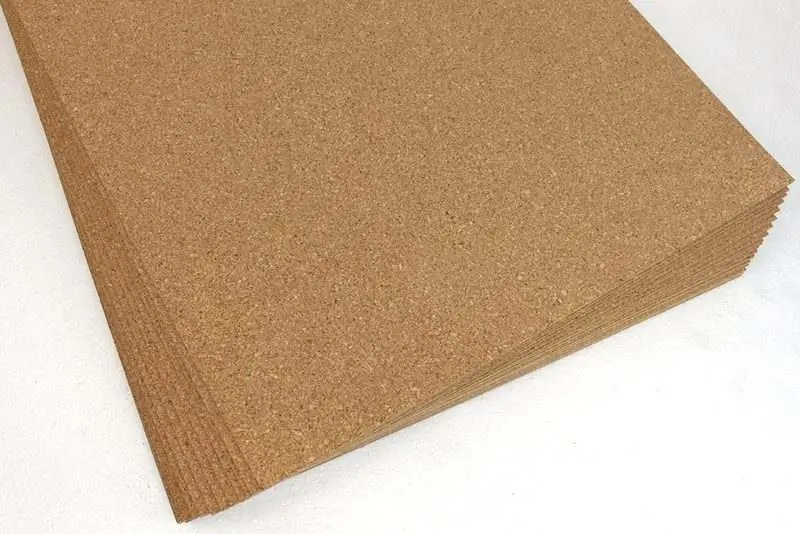
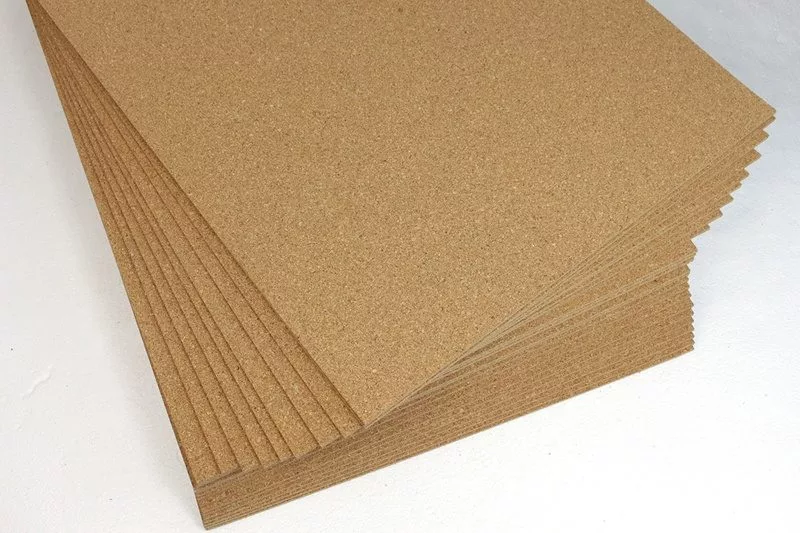
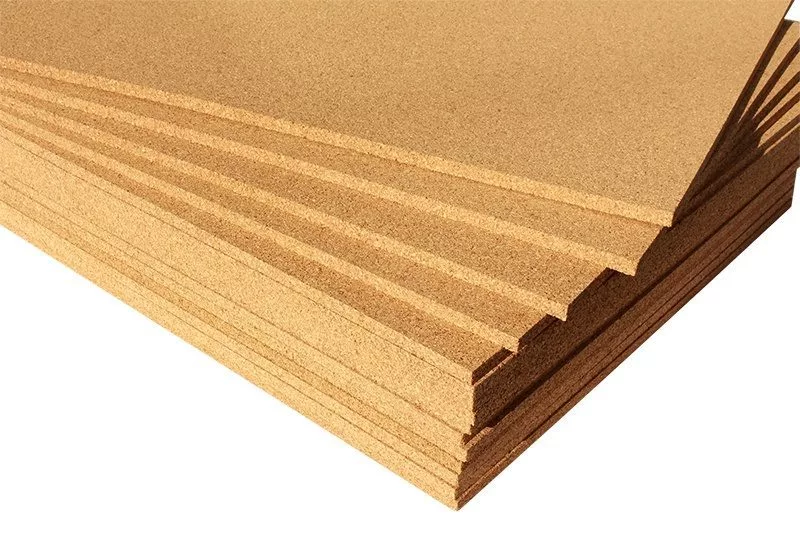
Cork Underlayments
| Product | Sound Reduction | Test Method |
|---|---|---|
| 12mm Cork Underlayment | ΔIIC 20 (laboratory tested, ASTM E2179) | Laboratory Tested |
| 6mm Cork Underlayment | FIIC +10 | Field Tested |
Floating Flooring Systems
| Product | Sound Reduction | Test Method |
|---|---|---|
| 12mm Traditional Cork Flooring | ΔIIC 23 (ASTM E2179) | Laboratory Tested |
| 7.5mm Swiss TechSlate Flooring | ΔLw 19 dB | EN ISO 717-2 |
| 11mm Swiss Cork Flooring | ΔLw 18 dB | EN ISO 717-2 |
| 11mm Forna Natural Composite Flooring | ΔLw 18 dB | EN 140 / EN ISO 717 |
| 11mm Swiss Leather Flooring | ΔLw 17 dB | EN ISO 717-2 |
Which Flooring Provides the Best Soundproofing?
Best Overall Sound Reduction
12mm Cork Floating Flooring
With a sound reduction value of ΔIIC 23 (ASTM E2179), traditional cork flooring delivers the highest impact sound reduction in our product lineup.
Benefits include:
-
Superior footstep noise reduction
-
Warm and comfortable underfoot
-
Naturally resilient surface
-
Environmentally sustainable material
For customers whose primary goal is maximum sound reduction, this is often the best solution.
Best Sound Reduction with Modern Design
Swiss TechSlate Flooring
Sound Reduction: 19 dB
Swiss TechSlate combines the appearance of natural stone with the comfort and acoustic benefits of cork.
Ideal for homeowners seeking:
-
Modern stone visuals
-
Excellent acoustic performance
-
Class 33 commercial durability
-
PVC-free construction
Swiss Cork Flooring
Sound Reduction: 18 dB
Swiss Cork Flooring offers the traditional comfort of cork with advanced European engineering and modern design options.
Benefits include:
-
Exceptional walking comfort
-
Reduced footstep noise
-
Watertight locking system
-
Class 33 commercial rating
Forna Natural Composite Flooring
Sound Reduction: 18 dB
Forna Natural Composite combines natural linoleum technology with a cork backing layer to create a durable and acoustically comfortable floor.
Benefits include:
-
Natural raw materials
-
Excellent acoustic performance
-
Easy maintenance
-
Modern contemporary designs
Swiss Leather Flooring
Sound Reduction: 17 dB
Swiss Leather Flooring provides a unique luxury appearance while maintaining excellent impact sound reduction.
Benefits include:
-
Genuine leather surface
-
Comfortable walking experience
-
Elegant appearance
-
Superior acoustic performance compared to many hard-surface floors
Maximum Soundproofing Solutions
For buildings with strict HOA requirements, combining cork flooring with cork underlayment can significantly improve acoustic performance.
Option 1 – Maximum Sound Reduction
-
12mm Cork Underlayment (ΔIIC 20, ASTM E2179)
-
12mm Cork Flooring (ΔIIC 23, ASTM E2179)
This combination provides the highest acoustic performance available in our product range.
Option 2 – Premium Swiss Cork System
-
12mm Cork Underlayment (ΔIIC 20, ASTM E2179)
-
11mm Swiss Cork Flooring (18 dB)
A premium European flooring solution with outstanding comfort and sound control.
Option 3 – Stone Look with Superior Acoustics
-
12mm Cork Underlayment (ΔIIC 20, ASTM E2179)
-
7.5mm Swiss TechSlate Flooring (19 dB)
Ideal for customers who want the appearance of stone without sacrificing acoustic performance.
Common Condo Floor Structures
Most condominiums in North America are built using one of the following assemblies:
6-Inch Concrete Slab
The most common floor structure found in condominium buildings.
8-Inch Concrete Slab
Common in high-rise and luxury condominium construction.
Wood Joist Floor Systems
Found in many low-rise condominiums, townhomes, and mixed-use buildings.
Because every building uses different structural assemblies, ceiling systems, insulation, and construction methods, the final IIC rating will vary from building to building.
Before Purchasing Flooring
Before selecting a flooring system, we recommend contacting your HOA, strata council, property manager, or building engineer and asking the following questions:
What minimum IIC rating is required?
Many buildings require IIC 65, IIC 70, or IIC 72. Knowing the target rating is the first step.
What is the existing IIC rating of the building?
This is often the most important question.
If the building already has an IIC rating of 52, a flooring system providing approximately 20 points of sound reduction may be sufficient to achieve an IIC 72 requirement.
Unfortunately, many HOAs require an IIC rating but do not know the existing rating of the building. If this information is unavailable, ask whether an acoustic report, engineering report, or original building specifications are available.
Is there an approved flooring list?
Some HOAs maintain a list of flooring products that have previously been approved for installation.
Is an acoustic underlayment required?
Many HOAs and condominium associations require a minimum 6mm cork underlayment regardless of the flooring selected. Cork underlayment is one of the most widely accepted acoustic solutions because it provides excellent impact sound reduction while maintaining long-term performance without compression.
Are there specific installation requirements?
Some HOAs specify:
- Minimum underlayment thickness
- Approved installation methods
- Required acoustic documentation
- Approved contractor requirements
Providing this information allows us to recommend the most appropriate flooring and underlayment combination for your building.
If your HOA only provides an IIC requirement and cannot provide the building’s existing IIC rating, we can still help review the building structure and recommend flooring systems with the highest acoustic performance available.
An HOA requirement of IIC 72 by itself is incomplete. To accurately predict the final acoustic performance of a flooring system, the existing IIC rating of the building or floor assembly should also be known.
Need Help Meeting Your HOA Requirements?
If your condo association requires an IIC rating of 72 or higher, our team can help you select the flooring system that provides the best balance of sound reduction, appearance, durability, and comfort.
Send us your HOA flooring requirements, building specifications, or acoustic documentation, and we will help you choose the most appropriate flooring and underlayment combination for your project.
How to Estimate Whether You Can Meet an IIC 72 Requirement
Because every building is constructed differently, there is no single flooring product that automatically guarantees an IIC 72 rating.
The final result depends on two factors:
-
The existing sound performance of your building.
-
The sound reduction provided by your flooring system.
A simple way to estimate your potential final rating is:
Existing Building IIC + Flooring System Sound Reduction = Estimated Final IIC
Example 1: Typical Condo Building
If your existing floor assembly has an IIC rating of 52 and you install a flooring system that provides 20 points of sound reduction:
52 IIC + 20 = 72 IIC
In this case, the flooring system would likely satisfy an HOA requirement of IIC 72.
Example 2: 6″ Concrete Slab Condo
Many condominium buildings with a concrete floor and finished ceiling below have IIC ratings between 45 and 55.
If the existing floor assembly has an IIC rating of 50 and you install:
-
12mm Cork Flooring (ΔIIC 23 sound reduction, ASTM E2179)
The estimated performance would be:
50 + 23 = 73
This would likely exceed an IIC 72 requirement.
Example 3: Swiss TechSlate Flooring
If your building has an existing IIC rating of 55 and you install:
-
Swiss TechSlate Flooring (19 dB sound reduction)
The estimated performance would be:
55 + 19 = 74
This would likely satisfy an IIC 72 requirement.
Example 4: Maximum Soundproofing System
If your building has an existing IIC rating of 50 and you install:
-
12mm Cork Underlayment (ΔIIC 20, ASTM E2179)
-
12mm Cork Flooring (ΔIIC 23, ASTM E2179)
Combined sound reduction:
50 + 20 + 23 = 93
This type of assembly provides exceptional impact sound reduction and is often selected for luxury condominiums, penthouses, and buildings with strict acoustic requirements.
Important Note
These examples are intended as a practical guideline only.
Actual IIC performance can vary depending on:
-
Concrete slab thickness
-
Ceiling construction
-
Insulation
-
Building design
-
Installation quality
-
Test method used by the HOA or acoustic consultant
If your HOA requires documented compliance, we recommend providing us with your building specifications and flooring requirements so we can help determine the most appropriate flooring system.
The Hidden Problem with Many IIC 72 Flooring Claims
One of the biggest challenges for condo owners is that many HOA boards require an IIC 72 rating but do not provide the actual acoustic performance of the building itself.
In many cases, the HOA simply requests documentation showing an IIC 72 rating without specifying:
- The existing floor assembly
- Concrete slab thickness
- Ceiling construction
- Insulation type
- Test standards used
As a result, homeowners often compare products using published IIC ratings that may have little relationship to their actual building.
How Some Manufacturers Achieve Extremely High Published Ratings
A published IIC rating often reflects the entire floor assembly, not only the underlayment or flooring product.
A common testing method is to use:
- A thick 10-inch or 12-inch concrete slab
- A suspended acoustic ceiling below
- Acoustic insulation within the ceiling cavity
- Multiple layers of drywall
- The flooring underlayment being tested
The building assembly itself may already contribute most of the sound reduction before the underlayment is even installed.
For example:
| Assembly Component | Typical Contribution |
|---|---|
| 10″–12″ Concrete Slab | Approximately 40+ IIC |
| Suspended Acoustic Ceiling | Significant Improvement |
| Acoustic Insulation | Additional Improvement |
| Drywall Ceiling Finish | Additional Improvement |
| Thin Foam Underlayment | Small Contribution |
When combined, the completed assembly can achieve an IIC rating exceeding 70.
The final report may then be used to market the underlayment, even though the underlayment itself contributed only a small portion of the overall acoustic performance.
Why This Matters
A thin foam underlayment may be advertised with an IIC 72 rating because it was tested within a highly engineered laboratory floor assembly.
If that same product is installed in a building with a completely different structure, the actual performance may be substantially lower.
This does not necessarily mean the test report is incorrect—it simply means the reported rating reflects the entire assembly rather than the underlayment alone.
Focus on Sound Reduction Added by the Product
For this reason, acoustic professionals often place greater value on:
- Delta IIC (ΔIIC)
- FIIC improvements
- Impact sound reduction (ΔLw)
These measurements indicate how much sound reduction the product itself contributes.
This allows a more meaningful comparison between products regardless of the building structure.
A Practical Approach
If your HOA only requires documentation showing an IIC 72 rating, ask whether they will accept:
- Delta IIC reports
- FIIC reports
- EN ISO 717-2 acoustic reports
- Underlayment test reports
- Flooring system test reports
Many HOAs simply want evidence that a flooring system has documented acoustic performance and may not realize that published IIC ratings are heavily influenced by the structure used during testing.
Need Additional Sound Reduction?
If your building requires greater acoustic performance, cork underlayment can be installed beneath many floating flooring systems to further improve impact sound reduction.
For example:
- 6mm Cork Underlayment
- 12mm Cork Underlayment
can be used beneath many floating floor installations to increase acoustic performance compared with flooring alone.
For homeowners seeking maximum sound reduction, combining cork flooring with cork underlayment typically provides the highest level of impact sound control available from a floating floor system.
Download the Approval Kit
Need HOA sign-off for your new floor? The HOA Flooring Approval Kit is the download hub: per-thickness acoustic test statements, the ΔIIC +20 assembly test summary, indoor-air-quality certificates, and a fill-in cover letter your board can file.
 Flooring
 Wall & Ceiling Tiles
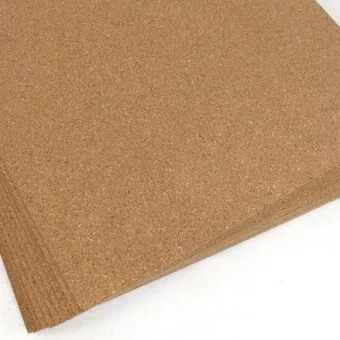 Cork Underlayment
 Supplies & Guides