 Shipping USA-Wide
 Canadian Store




Cork Floating Planks
Cork Floating Planks
Cork Floating Planks
Cork Floating Planks
Cork Floating Planks
Cork Floating Planks
Cork Floating Planks
Cork Floating Planks
Cork Floating Planks
Frequently asked questions
How much does cork flooring cost?
Cork flooring cost depends on plank construction, thickness, finish, box coverage, underlayment, trim, and installation needs. Compare product price per square foot and order samples before buying full boxes.
What is cork floating flooring?
Cork floating flooring uses click-lock planks that install without full-spread adhesive over a suitable flat subfloor.
Is floating cork flooring a good alternative to hardwood or vinyl?
Yes. Floating cork is warmer and quieter underfoot than many hardwood, vinyl, laminate, and tile floors while still offering durable finishes and natural renewable material.
Where does floating cork work best?
Floating cork is commonly used in bedrooms, basements, living rooms, offices, condos, and other dry interior spaces.
Should I order floating cork flooring samples first?
iCorkfloor recommends samples so buyers can compare cork color, texture, thickness, finish, and room lighting before ordering full cartons.
Cork floating flooring uses click-lock planks for efficient installation over suitable subfloors while adding warmth, comfort, and sound control. Compare natural cork looks, Swiss cork constructions, thicknesses, and sample options before ordering.
Cork flooring in a click-lock floating format gives homeowners, condos, offices, basements, bedrooms, and light commercial spaces warm comfort, quieter rooms, and a natural alternative to hardwood, vinyl, laminate, and tile.
Use this cork flooring cost guide to compare plank thickness, finish, box coverage, underlayment needs, samples, and installation help before ordering full boxes.
| Decision | What to compare | Why it matters |
|---|---|---|
| Cost | Price per sq. ft., box coverage, trim, and underlayment | Shows the full project budget before checkout |
| Comfort | 10mm, 11mm, and 12mm cork constructions | Helps match warmth, sound control, and underfoot feel |
| Alternative flooring | Cork vs hardwood, vinyl, laminate, and tile | Highlights where cork wins on comfort, sound, and renewable material |
| Confidence | Samples, room lighting, and specialist advice | Reduces color mismatch and ordering mistakes |
Pair floating floors with cork underlayment when a project needs additional acoustic or thermal performance.
Choose the right floating cork floor
Compare cork flooring cost, click-lock plank thickness, finish, underlayment needs, sample color, and hardwood, vinyl, laminate, or tile alternatives before ordering full boxes.
Cork flooring cost checklist
- Measure the room and add waste: use finished square footage plus cutting allowance before comparing boxes.
- Compare full project cost: include plank price, box coverage, trim, underlayment, delivery, and installation help.
- Order samples first: confirm color, texture, thickness, and lighting before committing to full boxes.
Popular floating cork floors
Best-fit floating cork paths
Start with a sample-first floating cork plan, then choose the comfort level, visual style, and quote path that fits the room before buying full boxes.
Match your cork flooring project before samples
Route shoppers by hardwood-style goals, room comfort, sound control, installation questions, and sample confidence before they compare full cork flooring boxes.
Frequently asked questions
How much does cork flooring cost?
Cork flooring cost depends on plank construction, thickness, finish, box coverage, underlayment, trim, and installation needs. Compare product price per square foot and order samples before buying full boxes.
What is cork floating flooring?
Cork floating flooring uses click-lock planks that install without full-spread adhesive over a suitable flat subfloor.
Is floating cork flooring a good alternative to hardwood or vinyl?
Yes. Floating cork is warmer and quieter underfoot than many hardwood, vinyl, laminate, and tile floors while still offering durable finishes and natural renewable material.
Where does floating cork work best?
Floating cork is commonly used in bedrooms, basements, living rooms, offices, condos, and other dry interior spaces.
Should I order floating cork flooring samples first?
iCorkfloor recommends samples so buyers can compare cork color, texture, thickness, finish, and room lighting before ordering full cartons.
Cork Floating Flooring – Naturally Certified Comfort
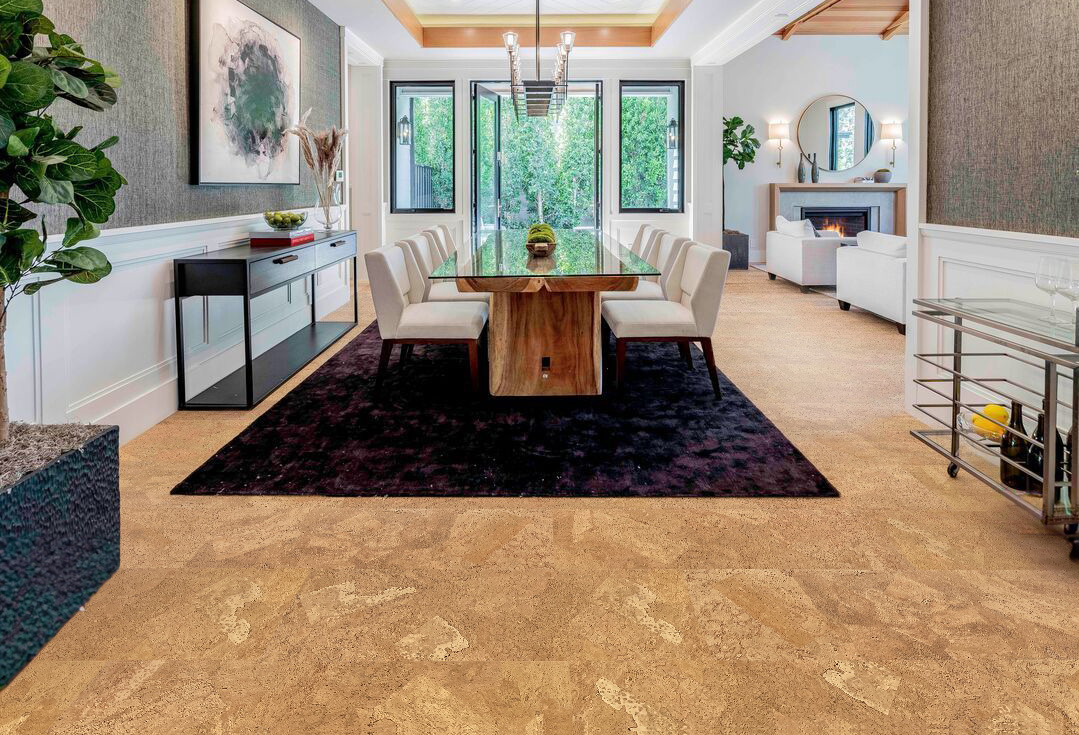
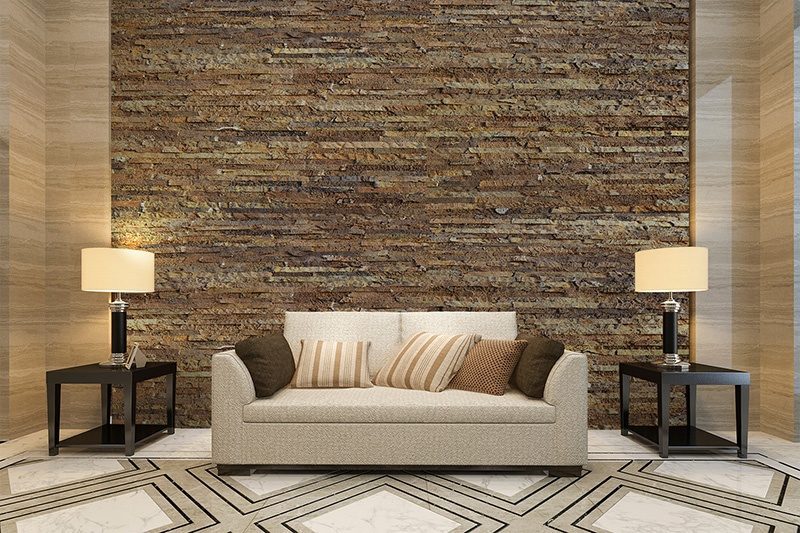
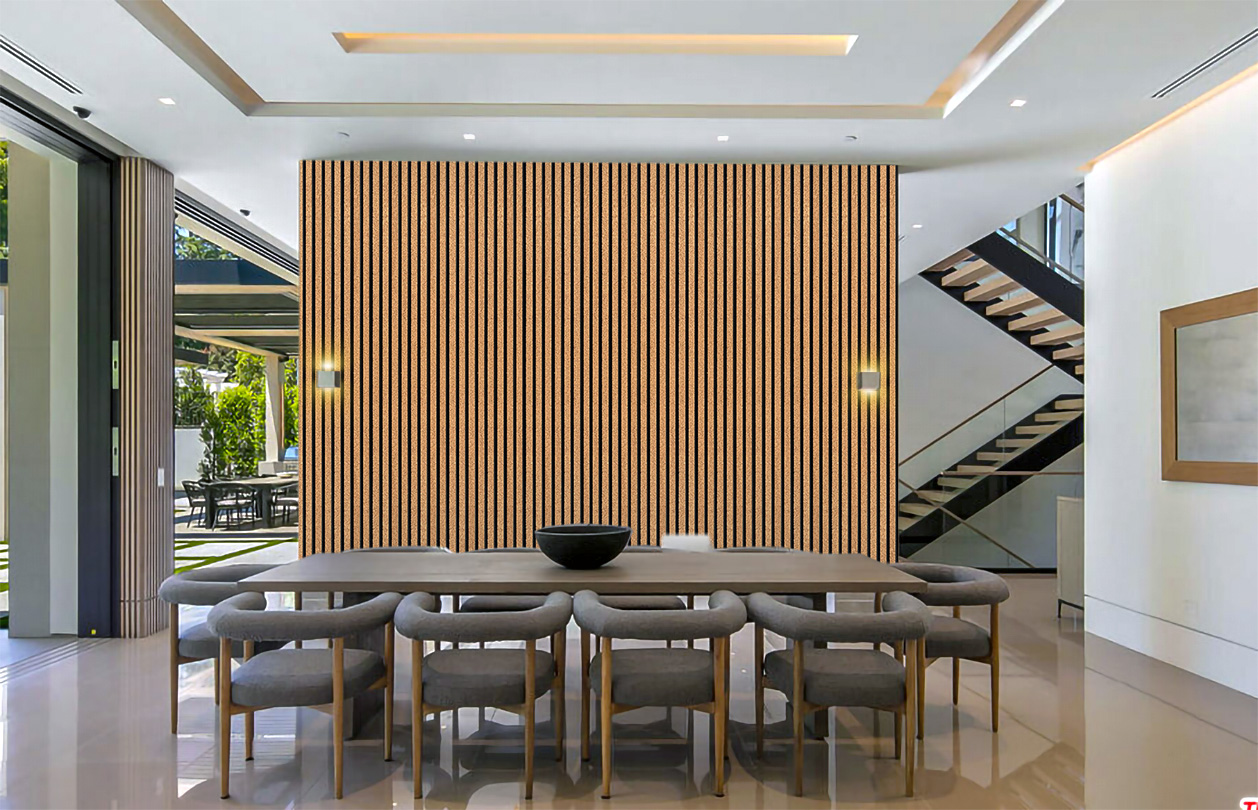
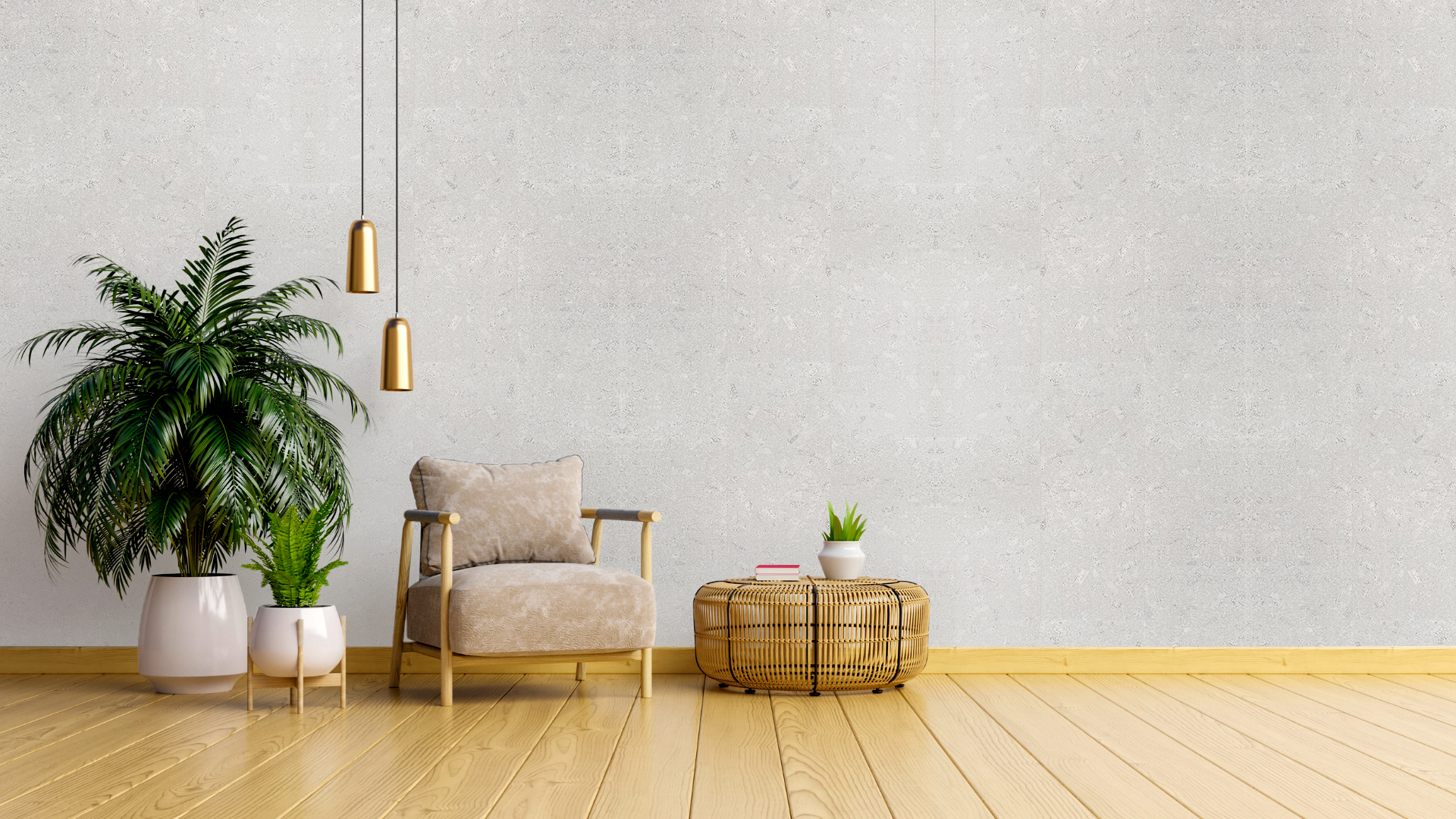
Bring warmth, sustainability, and timeless design into your home or business with our European-made Cork Floating Floors. Harvested responsibly from cork oak bark and crafted using advanced technology rooted in Portuguese heritage, these floors combine ecological responsibility with everyday practicality. Soft underfoot, thermally efficient, and remarkably durable, cork offers an eco-friendly alternative to conventional flooring. Choose from more than 47 unique designs—including classic cork visuals as well as wood- and stone-inspired styles—to complement any interior.
Trusted Performance and International Standards
Our cork floating floor collections undergo extensive testing and carry leading certifications, ensuring quality, safety, and long-lasting performance.
11 mm Swiss Cork Floating Flooring
-
EN 16511 Classification: Domestic 23 / Commercial 33 – rated for both heavy residential and demanding commercial settings.
-
Abrasion Resistance: AC5 (EN 14354 & EN 13329) – excellent protection for busy areas.
-
Acoustic Comfort: 18 dB sound reduction (EN ISO 717-2) – noticeably quieter than laminate or vinyl.
-
Fire Safety: Cfl s1 (EN ISO 9239-1) – fire-retardant with low smoke production.
-
Thermal Resistance: 0.108 m²K/W (EN 12524) – suitable for use with underfloor heating.
-
Dimensional Stability: <0.05% (EN 434) – highly stable in fluctuating climates.
-
Indentation Resistance: ≤0.25 mm (EN 433) – resists pressure from furniture.
-
Locking System Strength: >500 kg/lfm (ISO 24334) – strong, secure click connection.
-
Impact Resistance: Meets EN 438-2 / EN 13329 (2000 / 14 mm).
12 mm Portuguese Cork Floating Flooring
-
EN 13329 Classification: Domestic 23 / Commercial 32 – designed for intensive household and general commercial spaces.
-
Abrasion Resistance: AC4 (EN 13329) – durable surface, best paired with protective coatings in very high traffic areas.
-
Acoustic Comfort: 19 dB sound reduction (EN ISO 717-2) – excellent for noise control.
-
Fire Safety: Cfl s1 (EN 13501-1) – fire-rated with low smoke emissions.
-
Thermal Resistance: 0.11 m²K/W (EN 12524) – works with radiant heating systems.
-
Dimensional Stability: <0.05% (EN 434) – engineered for seasonal humidity changes.
-
Indentation Resistance: ≤0.30 mm (EN 433).
-
Locking System Strength: >450 kg/lfm (ISO 24334).
-
Impact Resistance: Class 32 (EN 13329).
Indoor Air & Eco Certifications
-
GREENGUARD Gold: Certified low-VOC emissions, compliant with CDPH standards.
-
Cork Logo (Deutscher Kork-Verband): Verified eco flooring, emissions below AgBB 2018 and RAL UZ 120/176.
-
Blauer Engel (RAL-UZ 120): A trusted German label for safe, eco-friendly building materials.
-
eco-INSTITUT: Independent German testing lab confirmation of ultra-low VOC content.
Why Choose Cork Floating Flooring?
-
Natural Comfort: Cork’s cellular structure (50% air) creates softness underfoot and reduces strain on joints.
-
Noise Control: Cuts down on sound transfer by up to 70%, ideal for apartments, condos, and offices.
-
Sustainable Choice: Harvested without tree removal—cork bark regenerates every 9–12 years.
-
Health Benefits: Naturally resistant to mold, mildew, and common allergens.
-
Fire Safety: Low smoke emissions and no toxic off-gassing.
Installation & Care
-
DIY-Friendly: Precision Uniclic® system allows glue-free installation.
-
Stable Construction: Performs well with underfloor heating and in environments with seasonal humidity changes.
-
Low Maintenance: Clean with cork-approved products; reapply protective finishes every 5–10 years for longevity.
Certified Sustainable Luxury
Every cork floor in our collection is proudly manufactured in Europe under strict sustainability standards. By choosing certified cork flooring, you’re not only enhancing your space with natural beauty but also supporting a healthier home and a greener planet.