 Ships USA-wide



How Cork Reduces Vibration in Buildings and Bridges
Cork is one of nature’s most effective materials for controlling vibration and noise in structural applications. From residential buildings to large infrastructure such as bridges, cork has proven to be an excellent natural vibration dampener. Its performance comes from a remarkable internal structure that allows it to absorb, dissipate, and isolate mechanical energy instead of transmitting it through the structure.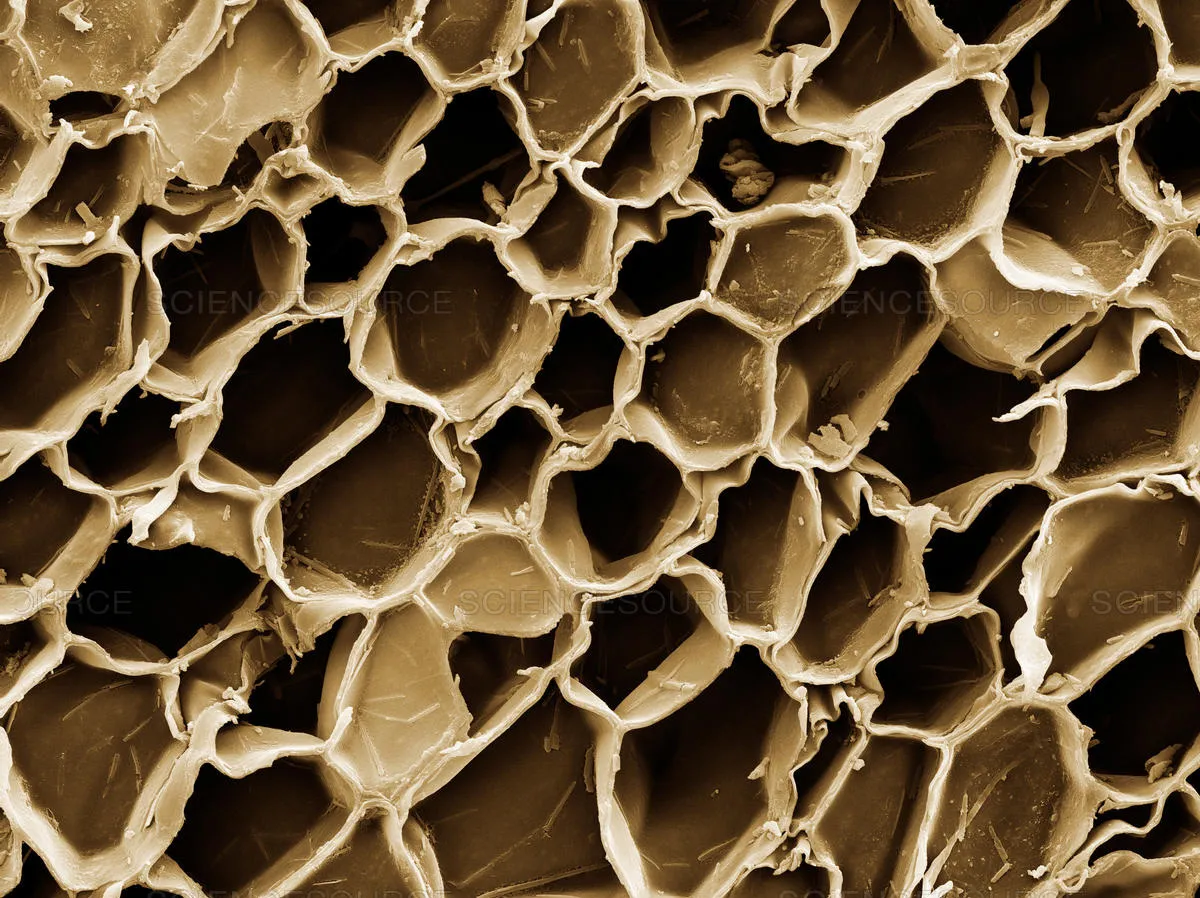
As modern construction increasingly focuses on durability, noise control, and sustainability, cork has become a preferred material for vibration control in architecture and civil engineering.
The Unique Structure of Cork
Cork is composed of millions of microscopic, air-filled cells arranged in a honeycomb-like structure. In just one cubic centimeter of cork there are roughly 40 million cells. Each of these cells acts like a tiny sealed cushion filled with air.
This structure gives cork several important properties:
-
Elasticity – cork compresses under pressure and rebounds to its original shape.
-
Energy absorption – vibration energy is dissipated inside the cellular structure.
-
Lightweight resilience – cork can withstand repeated compression without permanent deformation.
-
Acoustic insulation – the trapped air inside the cells absorbs sound and impact noise.
Because of this cellular structure, cork behaves differently than rigid building materials like concrete or steel. Instead of transferring vibration through the structure, cork breaks the vibration path and converts mechanical energy into small amounts of heat.
High Damping Capacity: Why Cork Reduces Vibration So Well
In engineering, the ability of a material to absorb vibration is measured by its loss factor, also called damping capacity. Cork has a remarkably high damping factor compared to many synthetic materials.
Key performance advantages include:
Superior Shock Absorption
Cork can absorb impact energy from footsteps, machinery, traffic, or structural movement. This makes it particularly useful in floors, walls, and structural joints where vibrations commonly occur.
Better Damping Than Rubber in Many Applications
While rubber is widely used for vibration isolation, cork often performs better in environments where long-term stability and dimensional recovery are important. Cork maintains its damping performance even after thousands of compression cycles.
Long-Term Elastic Recovery
Cork can be compressed up to 40% of its thickness and still recover its original form. This resilience ensures consistent vibration control over decades of use.
Cork in Buildings: Reducing Structural Vibration

In buildings, vibration often originates from footsteps, mechanical equipment, elevators, HVAC systems, or external sources like nearby traffic. Cork is widely used in construction to reduce these vibrations.
Cork Underlayments
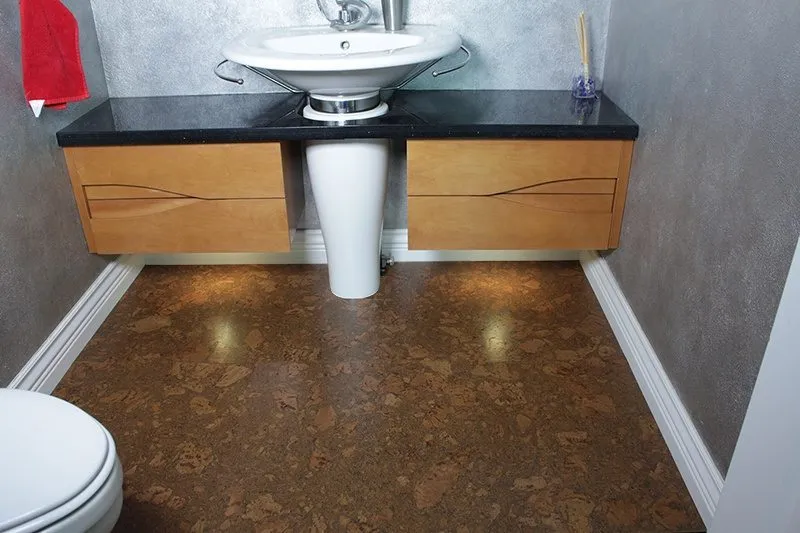
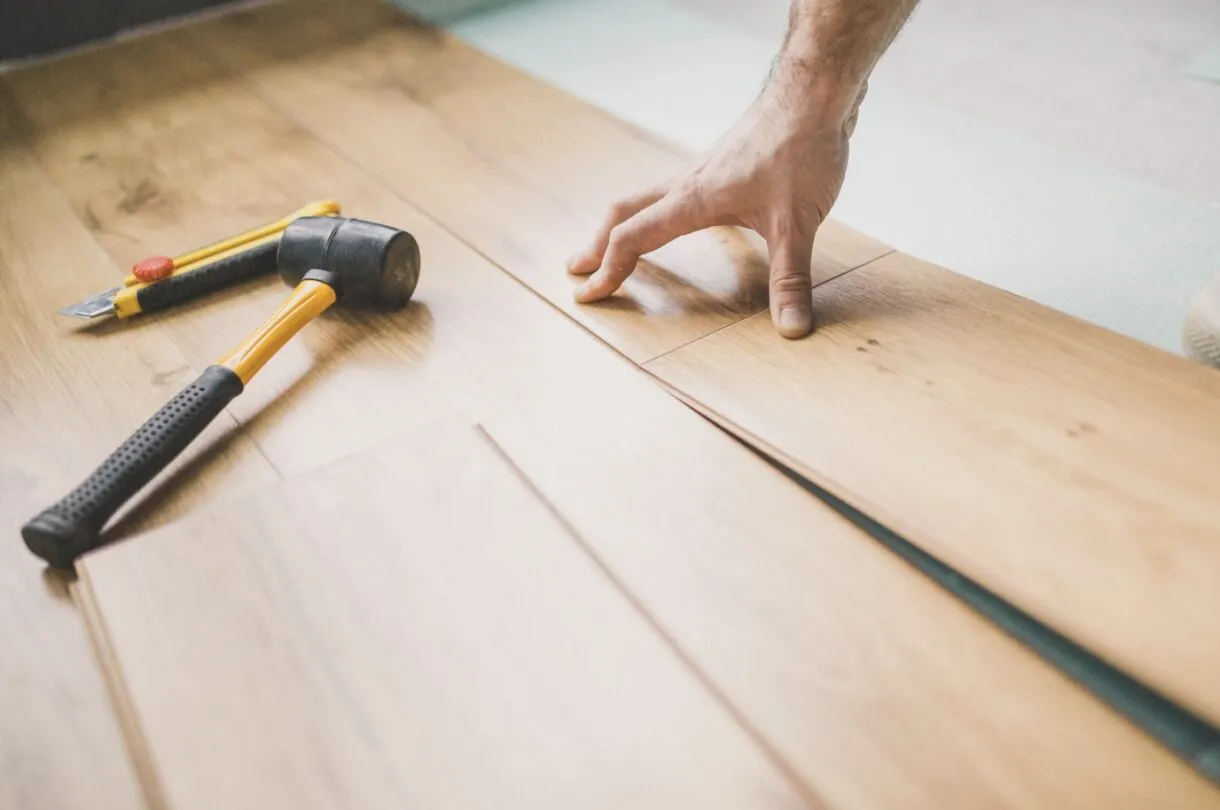
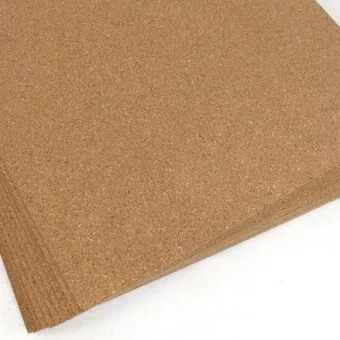
Cork flooring underlayments act as a cushion between the structural floor and the finished flooring surface. This layer absorbs impact vibrations from walking or moving furniture, significantly reducing noise transmission between floors.
Acoustic Wall and Ceiling Panels
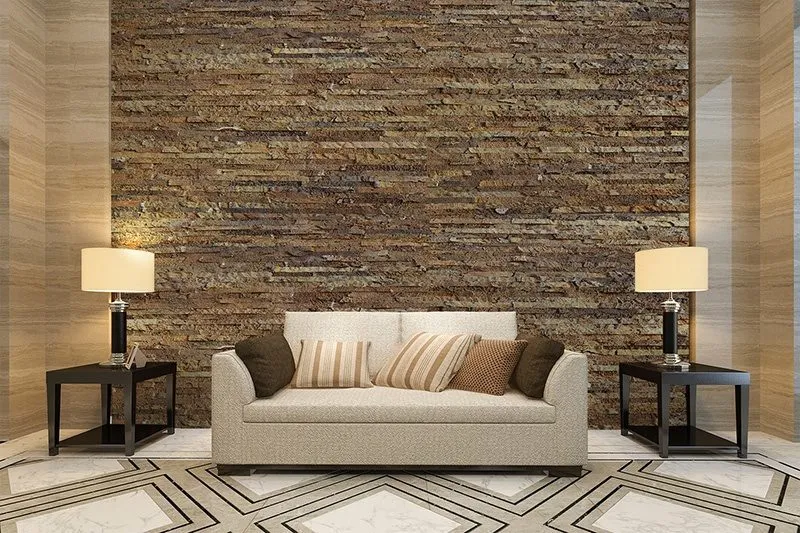
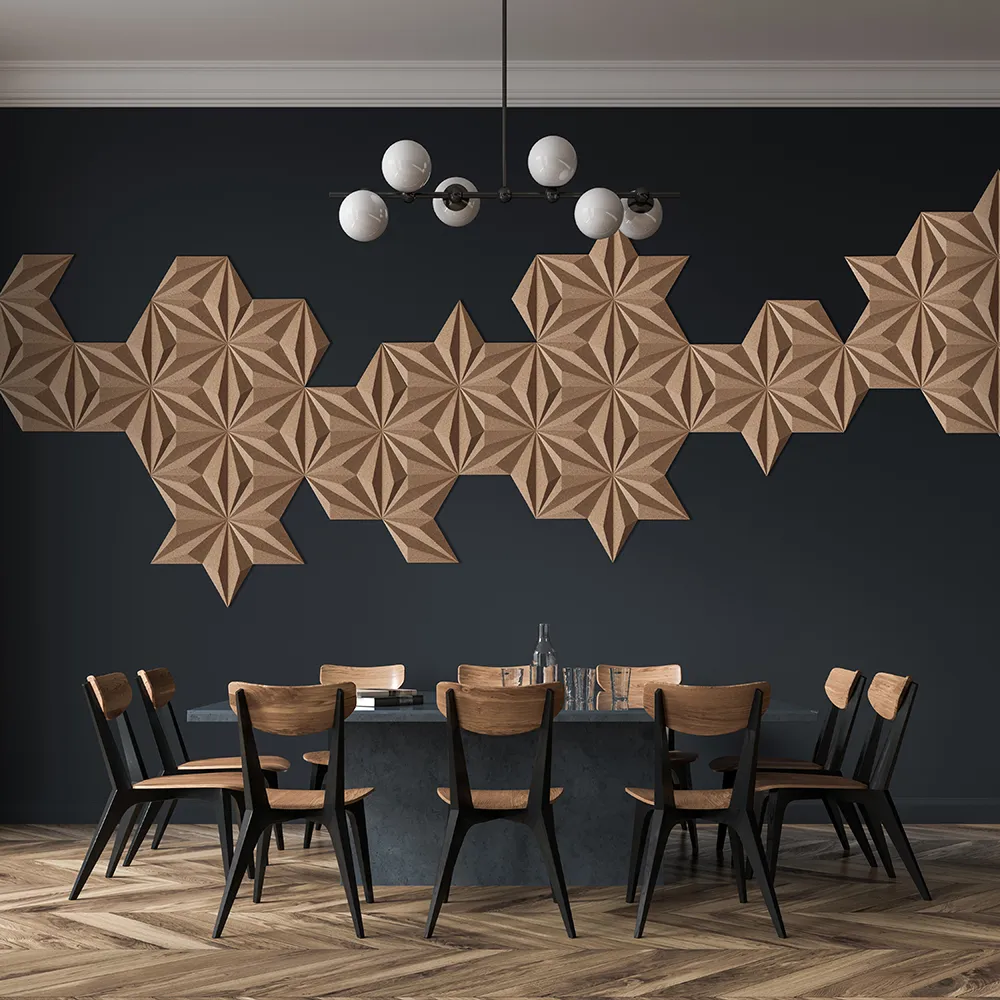
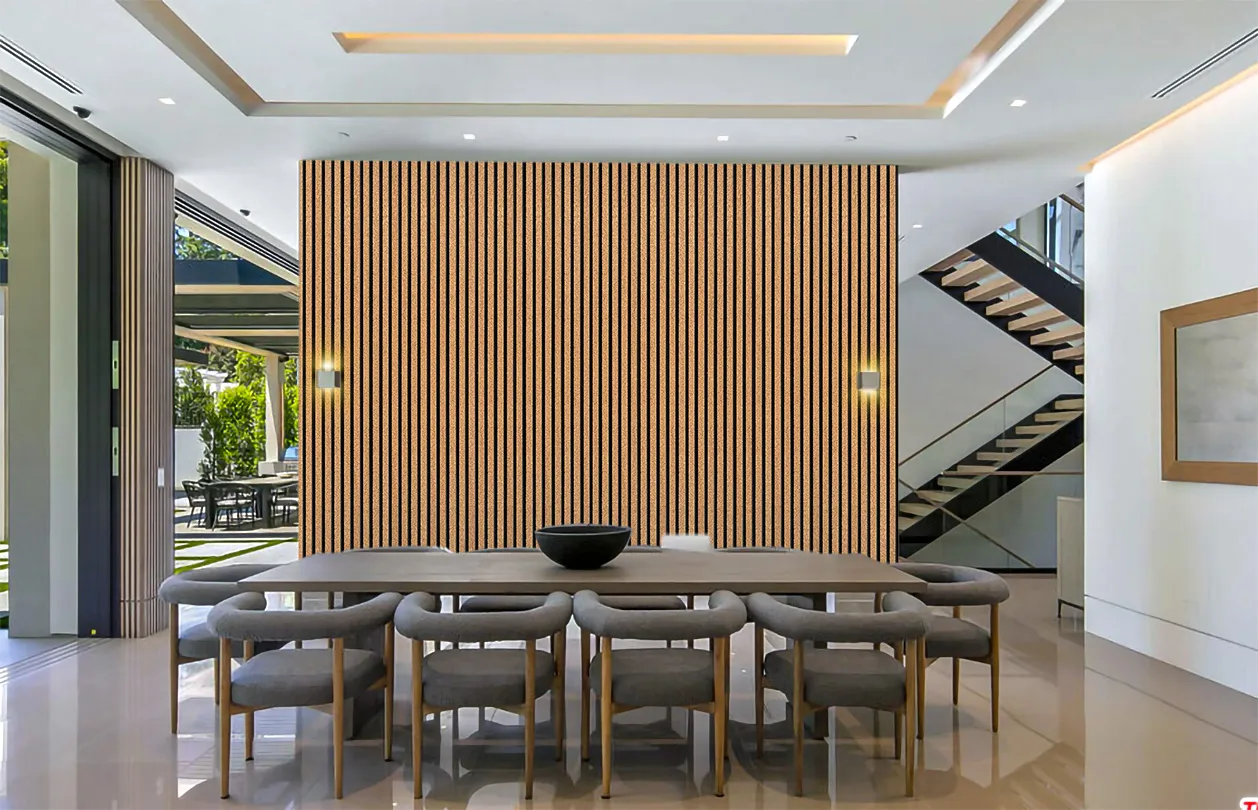
Cork wall panels reduce both sound and vibration by absorbing energy before it spreads through structural elements. This improves comfort in offices, apartments, studios, and public spaces.
Machinery Isolation Pads
Heavy equipment installed in buildings can generate constant vibrations. Cork pads placed under machinery isolate these vibrations and prevent them from traveling through concrete slabs and structural beams.
Expansion and Structural Joints
Cork expansion joints allow buildings to move naturally due to temperature changes, wind, or seismic activity. The cork compresses and expands while maintaining vibration isolation between structural elements.
Cork in Bridges and Heavy Infrastructure
Beyond buildings, cork has long been used in civil engineering projects, particularly in bridges, tunnels, and highways.
Bridges constantly experience dynamic forces from:
-
vehicle traffic
-
wind
-
temperature expansion
-
structural movement
Without proper damping materials, these forces can create damaging vibrations and fatigue in structural components.
Cork Expansion Joint Fillers
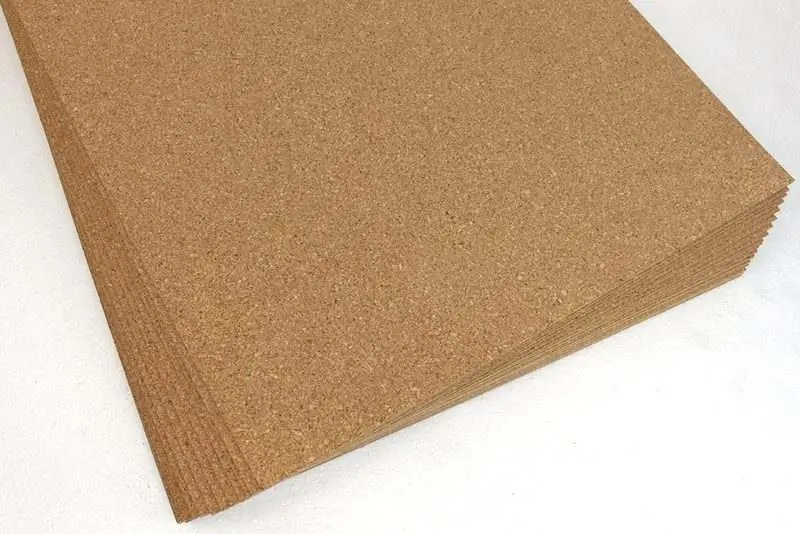
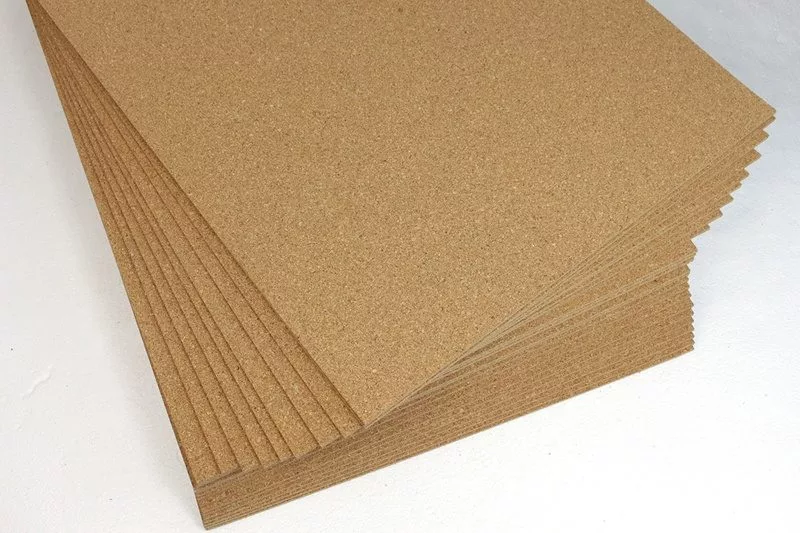
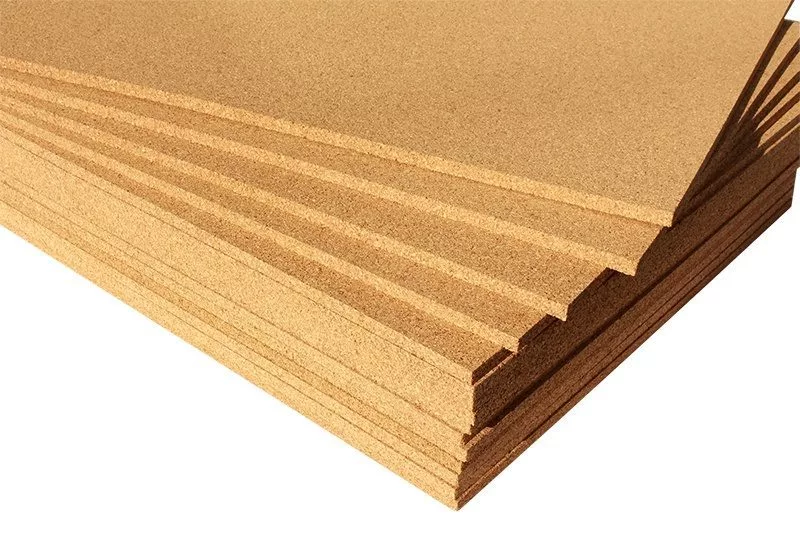
Cork boards are often installed in bridge expansion joints where sections of concrete meet. These cork layers compress when the structure expands and recover when the load decreases.
This movement capability provides several benefits:
-
absorbs vibration between concrete segments
-
prevents cracking from structural stress
-
reduces mechanical fatigue in steel reinforcements
-
allows controlled structural movement
Isolation Between Structural Elements
Cork can also be used to prevent metal-to-metal contact in certain bridge components. This isolation reduces resonance and minimizes long-term wear caused by vibration.
Durability in Harsh Environments
Unlike many synthetic materials, cork is naturally resistant to:
-
moisture
-
rot
-
microbial growth
-
long-term compression
This durability makes cork suitable for infrastructure applications where maintenance access may be limited.
Sustainable Engineering with Cork
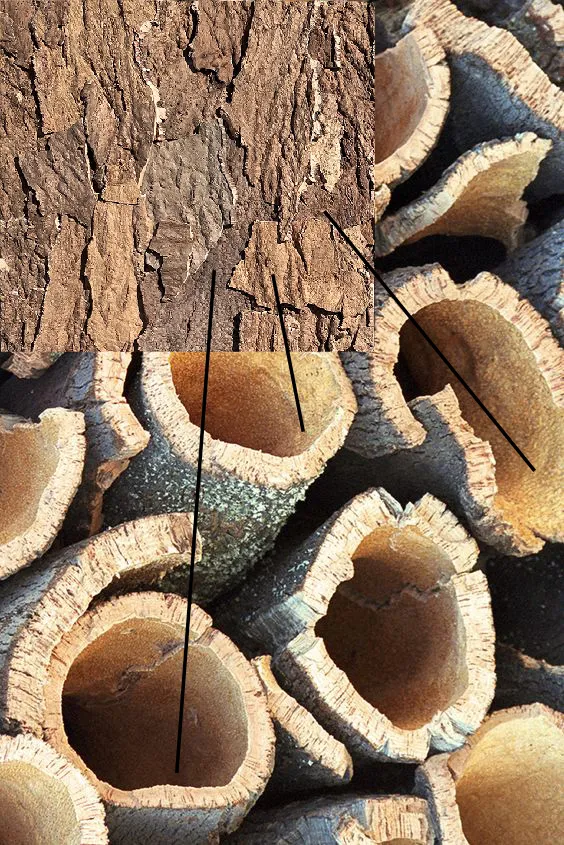
Another advantage of cork is its sustainability. Cork is harvested from the bark of the cork oak tree without cutting the tree down. The bark regenerates naturally, allowing harvesting every 9–12 years.
Cork forests also act as powerful carbon sinks, absorbing significant amounts of carbon dioxide from the atmosphere. Because of this, cork materials used in construction often contribute to low-carbon and environmentally responsible building practices.
Why Engineers Choose Cork for Vibration Control
Cork offers a unique combination of engineering performance and sustainability that few materials can match.
Key advantages include:
-
Excellent vibration damping
-
Natural sound insulation
-
Elastic compression and recovery
-
Long lifespan under repeated load
-
Resistance to moisture and decay
-
Sustainable and renewable material
These qualities make cork an ideal solution for vibration isolation in buildings, bridges, transportation infrastructure, and mechanical systems.
✅ Conclusion
Cork is far more than a flooring or decorative material. Its remarkable cellular structure gives it the ability to absorb vibration, isolate structural movement, and reduce noise across a wide range of engineering applications.
From residential buildings to major bridges, cork continues to prove that a natural material can deliver exceptional performance in modern construction. By reducing vibration and improving structural resilience, cork helps create buildings and infrastructure that are quieter, more durable, and more sustainable.
 Flooring
 Wall & Ceiling Tiles
 Cork Underlayment
 Supplies & Guides