 Ships USA-wide

Floor Insulation R-Values and Cork Underlayment
Insulation flooring answer
Flooring R-values and cork insulation
Flooring R-values help compare thermal resistance, but a warmer room also depends on the subfloor, finished flooring, underlayment thickness, and air sealing. Cork underlayment can support thermal comfort while also helping with sound control.
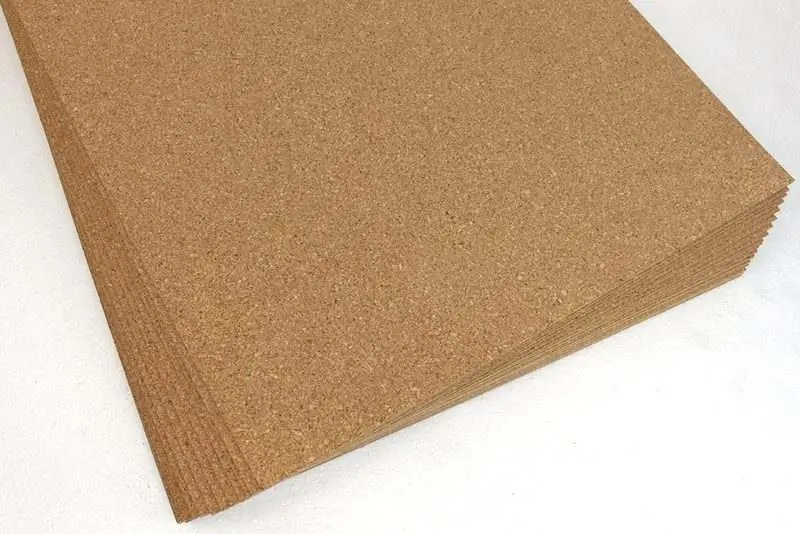
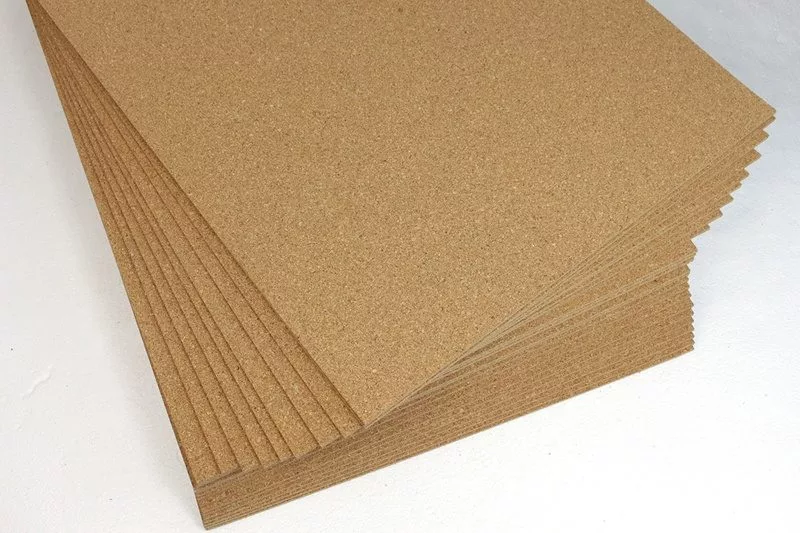
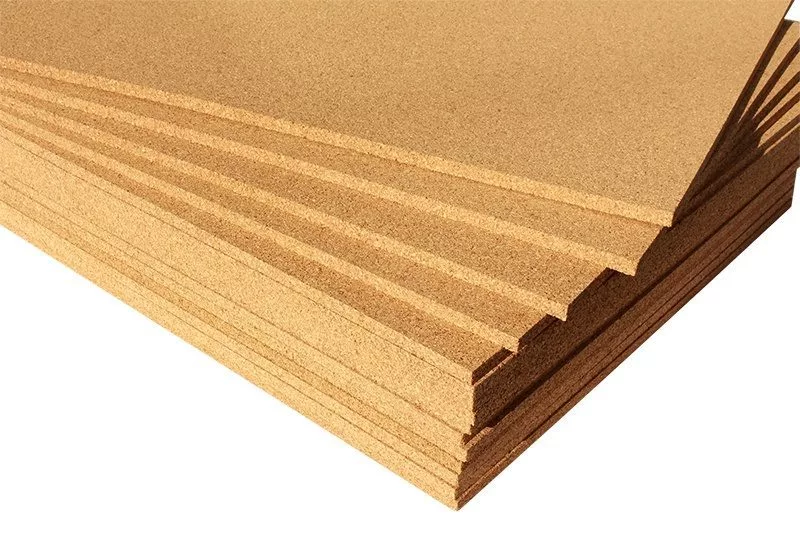
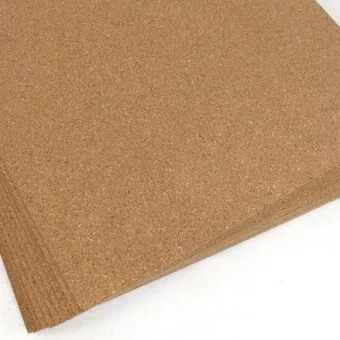
- Compare cork underlayment thicknesses such as 3mm, 6mm, and 12mm before choosing a full project layer.
- Use cork when the project needs thermal comfort, acoustic support, and a renewable material under or as the finished floor.
- Order samples so finished height, density, color, and underfoot feel are clear before full boxes.
Cork Insulation: The Eco-Friendly Choice for Superior Home Efficiency with high Value
When it comes to home insulation, the material you choose can make a significant difference in energy efficiency and comfort. Traditional options like fiberglass and rock have been popular for decades, but cork insulation is emerging as a superior alternative due to its exceptional properties and environmental benefits.
R Values for Flooring Materialjpg
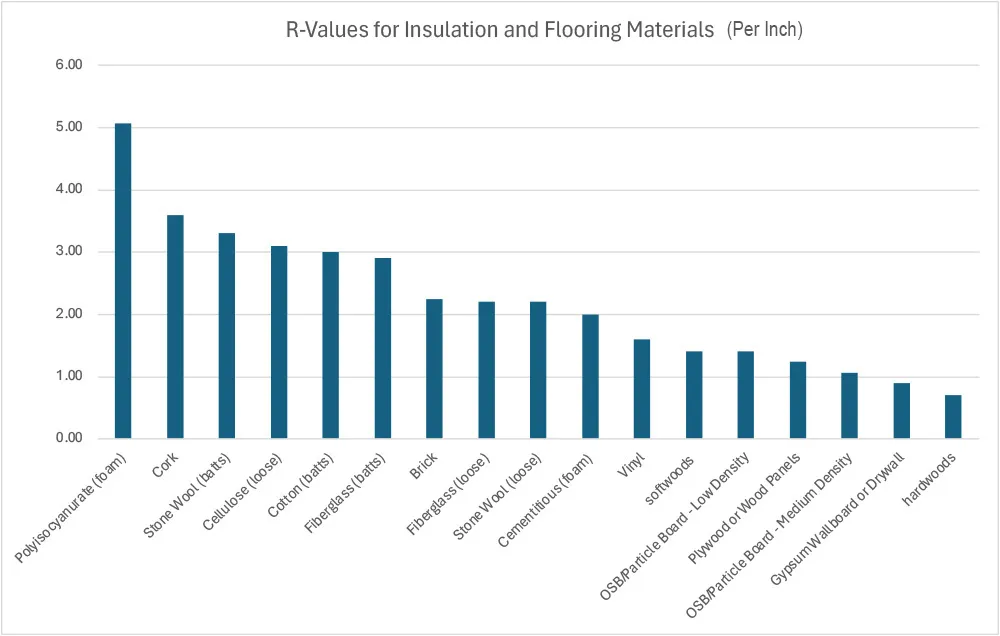
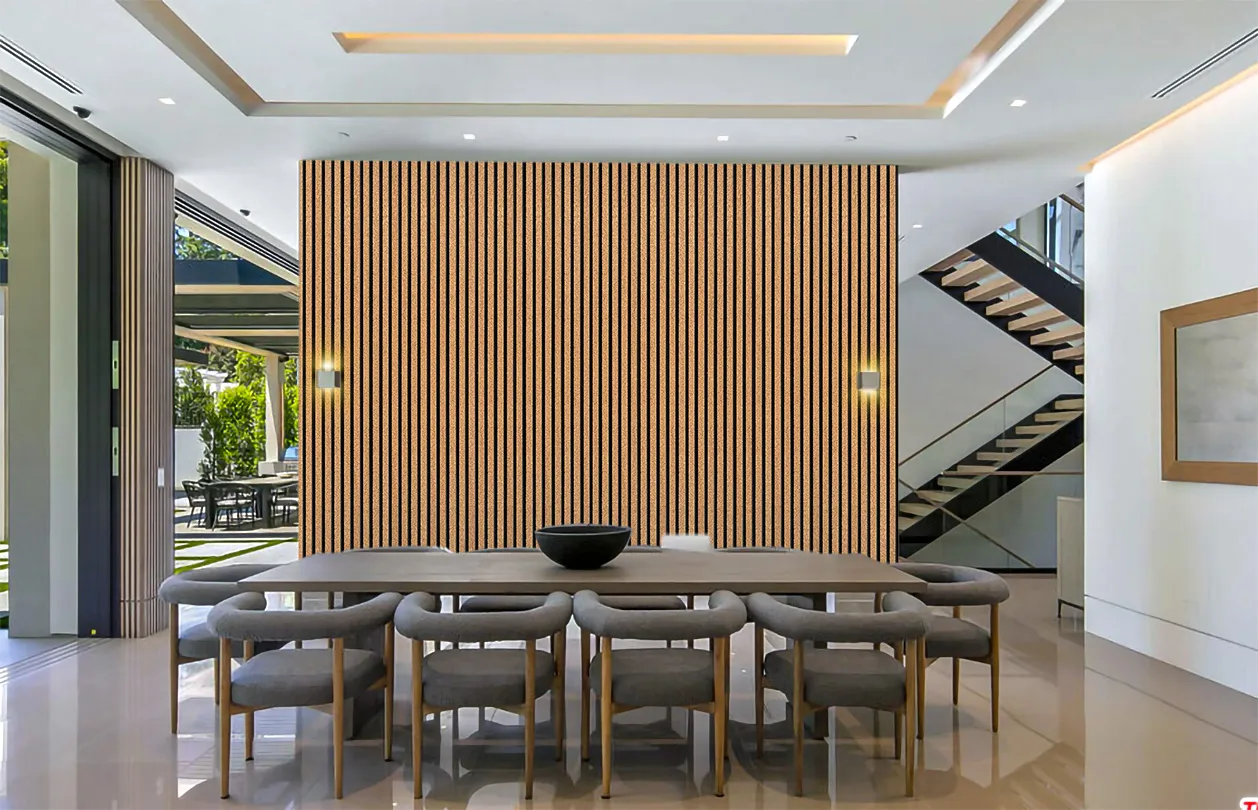
Why Choose Cork for Insulation? Cork insulation offers a high R-value, which measures the material’s ability to resist heat flow. With an R-value of 3.60 per cubic inch, cork performs comparably to high-grade exterior Styrofoam. For example, an 8mm thick cork tile approximately 1/3 inch thick provides an R-value of roughly 1.13. This is impressively high for such a thin material. Moreover, 28mm thick cork acoustic wall panels with a 25mm cork layer—approximately 1 inch thick—deliver an R-value of 3.50, providing substantial insulation.
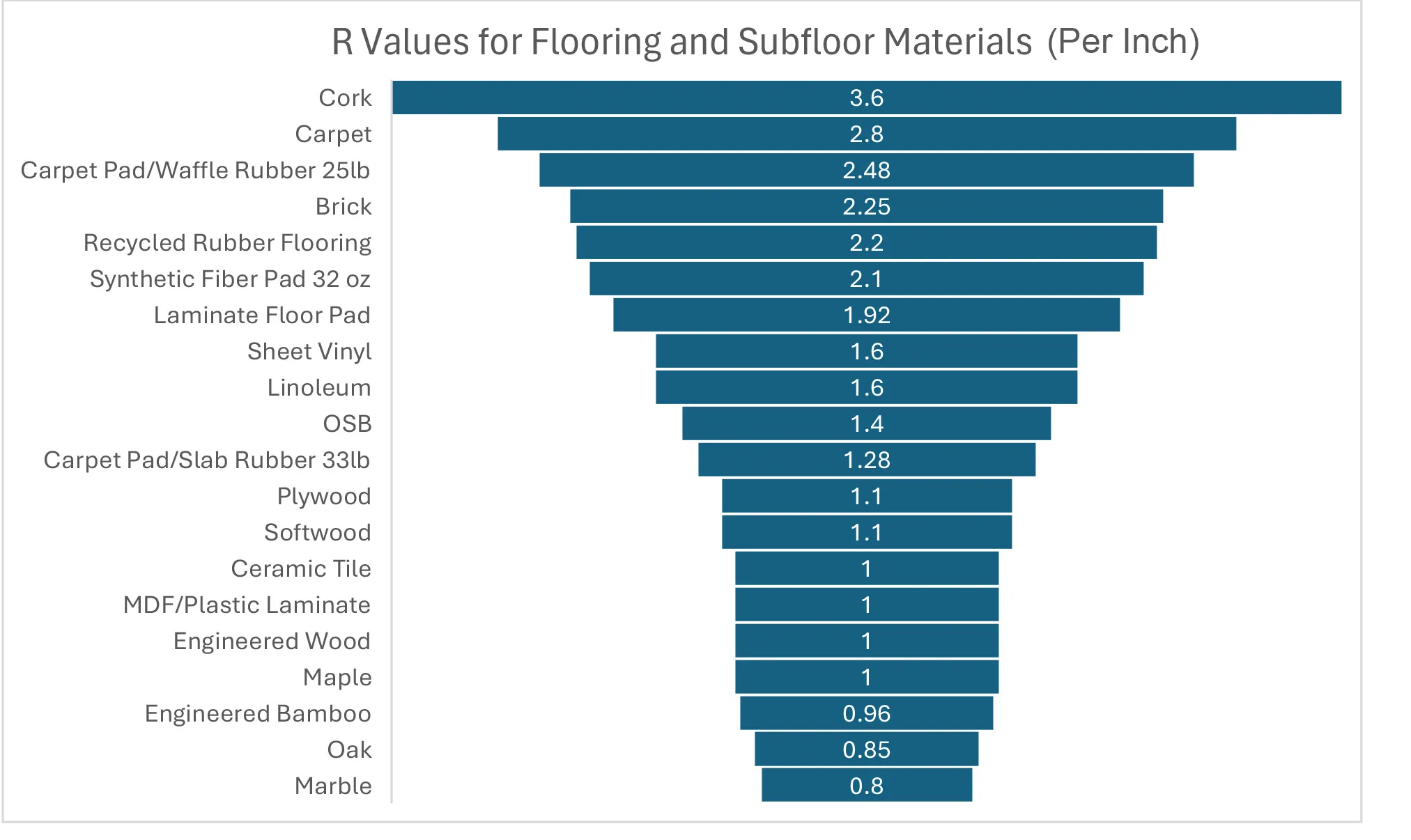
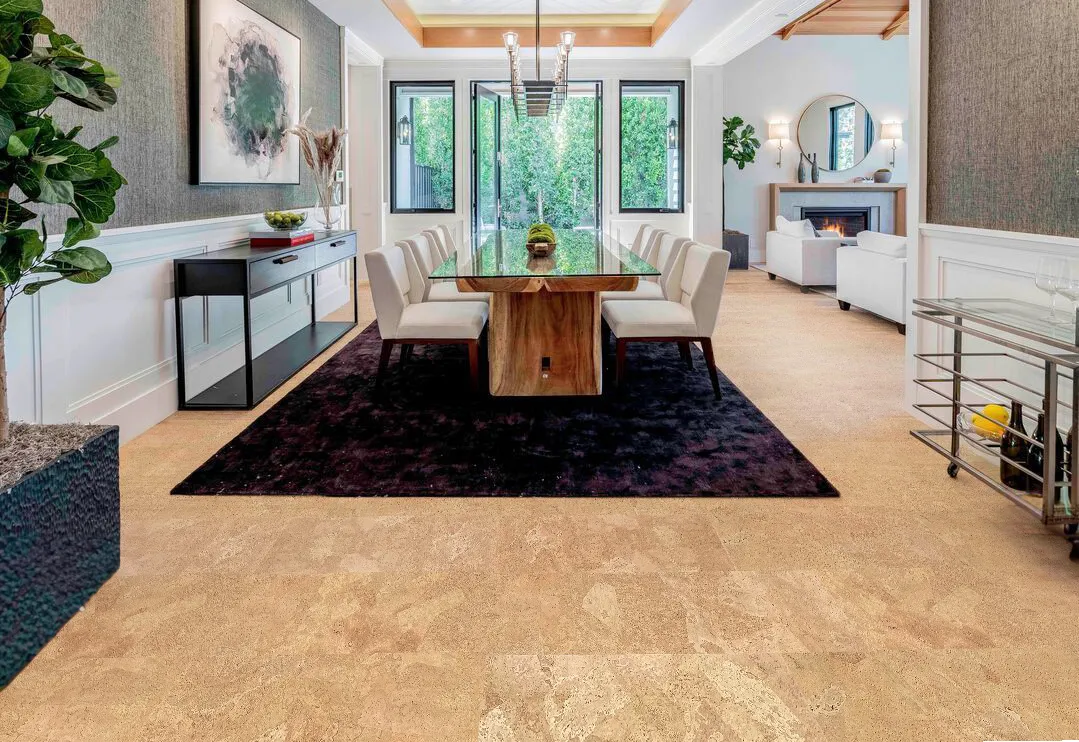
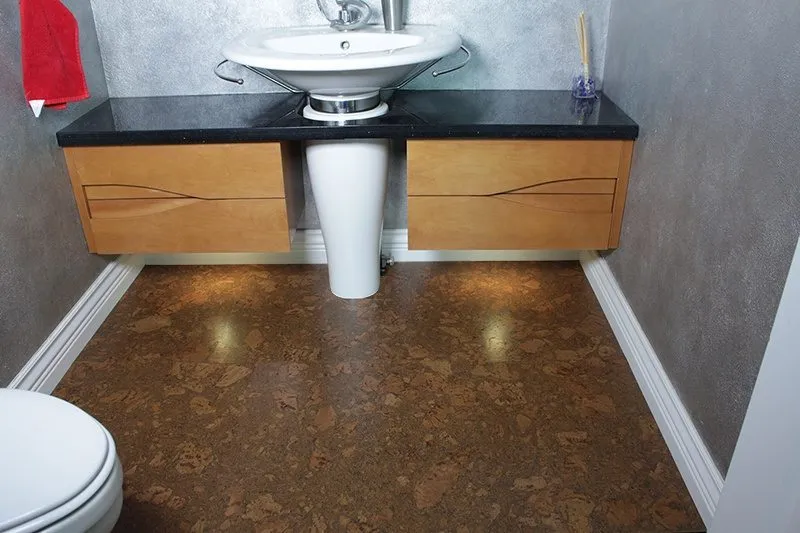
For homeowners looking to enhance the insulation of concrete slabs, especially in colder climates, cork is particularly beneficial. A typical setup might include a 12mm cork floating floor combined with a 6mm cork underlay, adding up to a 1/2 inch of cork. This setup can achieve an R-value of 1.82 per cubic inch, significantly boosting insulation performance.
Real-World Benefits: Practical experiences have shown that this combination of cork flooring can increase room temperatures in cold basements by as much as 7 degrees Celsius (12 to 13 degrees Fahrenheit). This improvement can lead to a reduction in heating and cooling costs by up to 30%. Importantly, the cork underlay should only be used with click-together floating floors, not with glue-down cork tiles.
Advantages of Cork Insulation:
- High Thermal Resistance: Cork’s natural structure provides excellent thermal insulation, which means it doesn’t just insulate well; it also enhances the comfort of your living space.
- Eco-Friendly and Sustainable: Cork is harvested from the bark of cork oak trees, which regenerates over time. This makes it a renewable resource. Additionally, cork is recyclable, adding to its environmental appeal.
- Water and Sound Resistance: Cork’s inherent water resistance helps prevent condensation issues, a common problem with other insulating materials. It also serves as an effective soundproofing agent, reducing noise transmission between rooms and from outside.
- Aesthetic Appeal: Cork can add a natural and warm look to any interior, making it not only practical but also stylistically versatile.
Understanding R-Values: The R-value is crucial in understanding insulation efficiency. It reflects the material’s resistance to heat flow; the higher the R-value, the better the insulation properties. Insulation works by trapping air, which is a poor conductor of heat, thus reducing the amount of energy needed to heat or cool the home. This directly translates to savings on energy bills.
Choosing the Right Insulation for Your Home: Selecting the correct insulation involves considering various factors such as your local climate, home layout, room dimensions, and your HVAC system. With an R-value between 3.6 and 4.2 per inch, cork offers one of the best insulation efficiencies available, surpassing many traditional materials.
Conclusion: Cork is not just a practical insulation choice; it is a step towards more sustainable living. It supports unique ecosystems and prevents desertification, contributing positively to environmental conservation. With its blend of thermal, acoustic, and moisture-resisting properties, cork insulation stands out as a smart investment for any homeowner aiming for eco-efficiency and enhanced home comfort.
Turn R-value research into a warmer floor
R-value research converts best when shoppers can move from insulation numbers to the right cork thickness, finished floor type, samples, and project help before ordering full boxes.
Turn insulation research into a floor assembly sample plan
R-value visitors need to compare cork thickness, finished floor type, thermal comfort, sound control, finished height, and samples before buying underlayment or flooring boxes.
Frequently asked questions
Is cork good for floor insulation?
Yes. Cork underlayment and cork flooring can help with floor insulation, thermal comfort, and sound control when the thickness, installation method, subfloor, and finished floor are matched to the room.
What cork underlayment thickness should I compare for R-value?
Compare 3mm, 6mm, and 12mm cork underlayment by finished floor height, acoustic needs, thermal comfort goals, and whether the floor manufacturer allows an underlay layer.
Does cork flooring feel warmer than tile, vinyl, or hardwood?
Cork often feels warmer and more resilient underfoot than many hard surfaces because of its cellular structure, but comfort depends on the room, subfloor, finish, and installation.
Should I order samples before choosing insulation flooring materials?
iCorkfloor recommends samples so buyers can compare cork thickness, feel, density, finished height, color, and room lighting before ordering full underlayment or flooring boxes.
 Flooring
 Wall & Ceiling Tiles
 Cork Underlayment
 Supplies & Guides