 Shipping USA-Wide
 Canadian Store





Cork Glue Down Tile
Cork Glue Down Tile
Cork Glue Down Tile

Cork Glue Down Tile

Cork Glue Down Tile

Cork Glue Down Tile

Cork Glue Down Tile


Cork Glue Down Tile

Cork Glue Down Tile
Frequently asked questions
Where do glue-down cork tiles work best?
Glue-down cork tiles are commonly selected for bathrooms, kitchens, gyms, stairs, entries, and commercial areas where a bonded tile installation is preferred.
Do glue-down cork floors need adhesive?
Yes. Glue-down cork tiles require the correct cork flooring adhesive, substrate preparation, layout planning, rolling, and finish protection for best results.
Should I order cork tile samples first?
iCorkfloor recommends samples so buyers can compare color, thickness, finish, and room lighting before ordering glue-down cork floor tiles.
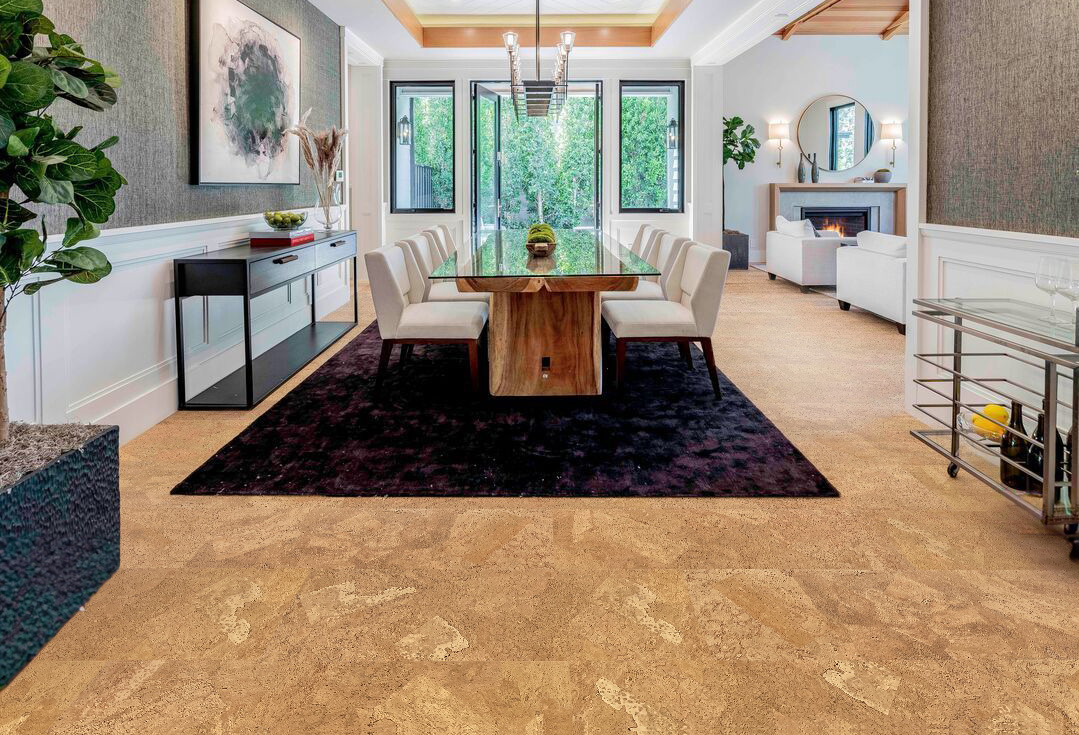
Cork glue-down tiles for permanent installation on prepared subfloors. These 6mm tiles are ideal for kitchens, bathrooms, basements, and commercial spaces. Water resistant, naturally antimicrobial, and available in a wide range of cork patterns and colors.
Glue-down cork floor tiles use full-spread adhesive for a stable bonded installation in bathrooms, kitchens, gyms, stairs, entries, and commercial spaces where tile layout control matters.
Compare cork tile colors, thicknesses, sample options, adhesive requirements, and finish protection before ordering so the room, substrate, and installation plan are clear.
Choose the right glue-down cork tile
Compare cork floor tiles by room, substrate, adhesive needs, finish protection, project cost, and sample color before ordering full boxes.
Estimate a glue-down cork tile project
- Room square footage plus 10% overage: calculate finished area, cuts, borders, and extra cartons before comparing tile styles.
- Subfloor moisture and adhesive compatibility: confirm concrete, plywood, bathroom, basement, or gym conditions before choosing cork adhesive.
- Finish, trim, and schedule: include top coat, transitions, stair details, acclimation, rolling, and cure time in the quote request.
Popular glue-down cork floor tiles
Best-fit glue-down cork tile paths
Match glue-down cork tile shoppers to the room, substrate, adhesive, finish, and sample path before they estimate full cartons.
Match room conditions before cork tile samples
Glue-down cork shoppers need the room, substrate, adhesive, finish, and sample path clarified before they estimate cartons.
Frequently asked questions
Where do glue-down cork tiles work best?
Glue-down cork tiles are commonly selected for bathrooms, kitchens, gyms, stairs, entries, and commercial areas where a bonded tile installation is preferred.
Do glue-down cork floors need adhesive?
Yes. Glue-down cork tiles require the correct cork flooring adhesive, substrate preparation, layout planning, rolling, and finish protection for best results.
Should I order cork tile samples first?
iCorkfloor recommends samples so buyers can compare color, thickness, finish, and room lighting before ordering glue-down cork floor tiles.
6mm (¼") Glue Down Cork Flooring
Natural Comfort Meets Lasting Performance
Our 6 mm (¼") Glue Down Cork Flooring offers exceptional thermal and acoustic insulation, making it one of the most versatile flooring solutions available. Soft, lightweight, and naturally warm to the touch, cork is hypoallergenic, insect- and fire-resistant, and highly durable—while remaining as easy to maintain as hardwood floors.
Precision Installation for Added Benefits
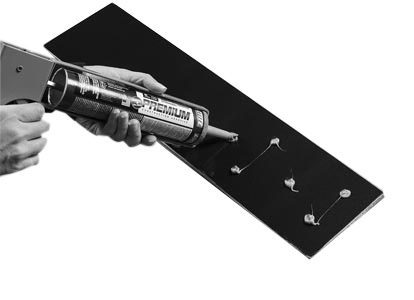
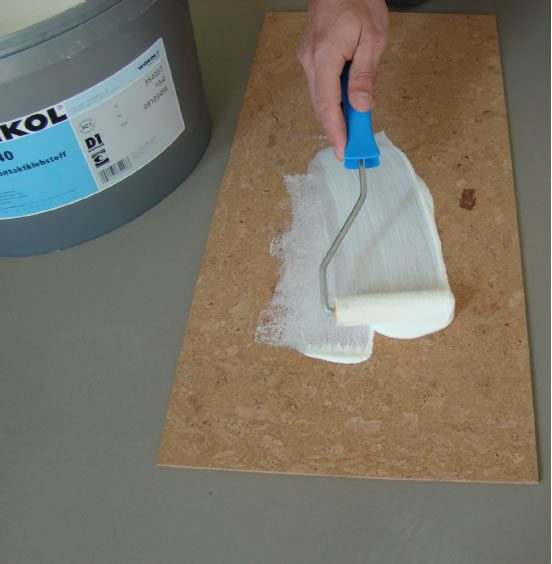
Unlike floating systems, glue-down cork requires adhesive installation directly onto the subfloor using contact cement. This method is often chosen by skilled installers and professionals, as it provides enhanced stability, superior water resistance, and greater long-term durability. Once installed, the floor becomes a continuous surface with no raised edges, ensuring a smooth and seamless appearance.
Where to Use Glue Down Cork Floors
Because of its resilient and moisture-resistant properties, 6 mm cork glue-down flooring is ideal for:
-
Bathrooms & Kitchens – superior water resistance compared to floating floors.
-
Mudrooms & Entryways – tough enough to handle heavy foot traffic and moisture.
-
Commercial Spaces – including hotels, offices, and retail showrooms, where longevity matters.
-
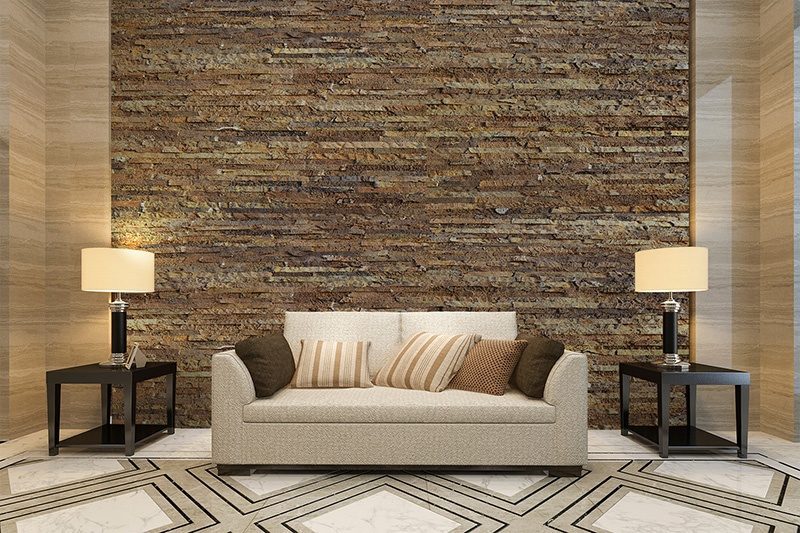
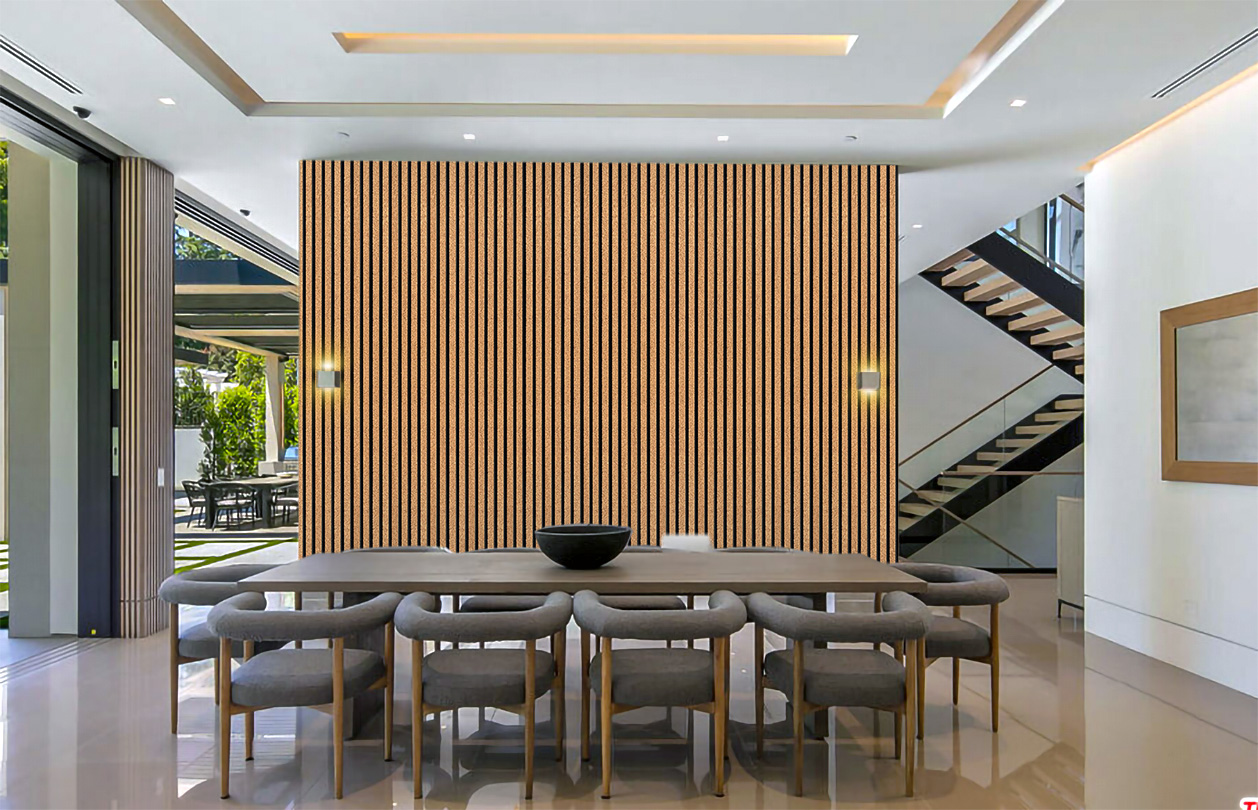
Specialty Applications – RVs, campers, and even as wall tiles for acoustic comfort and modern design.
Key Advantages
-
Excellent sound absorption – quieter than laminate, vinyl, or hardwood.
-
Natural thermal insulation – reduces heating and cooling costs.
-
Comfort underfoot – reduces fatigue and joint strain.
-
Long service life – with proper installation and care, cork can last for decades.