 Ships USA-wide
 CA site


Cork flooring answer hub
Cork flooring questions before buying
The most important cork flooring questions are room use, installation type, subfloor, moisture, samples, accessories, shipping, and whether floating cork, glue-down cork, wall tiles, or underlayment is the right path.
- Start with samples before choosing full flooring, wall tile, or underlayment boxes.
- Compare cork with hardwood, vinyl, laminate, tile, and carpet by comfort, sound, and room use.
- Ask a specialist when installation, moisture, adhesive, finish, or shipping details are unclear.
Cork Flooring Questions
Cork flooring, like all wood products, has two installation options: Cork Flooring Tiles and Floating Cork Floor planks. Though similar in appearance, longevity and maintenance, the two floors are at right angles to one another when it comes to installation procedure.
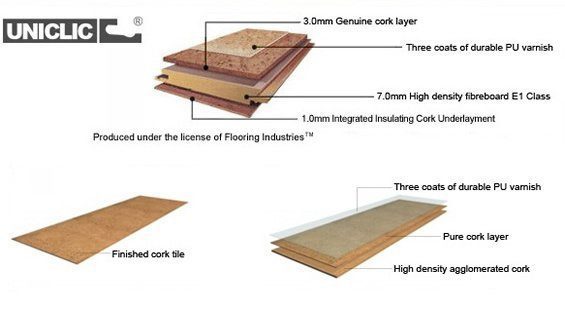
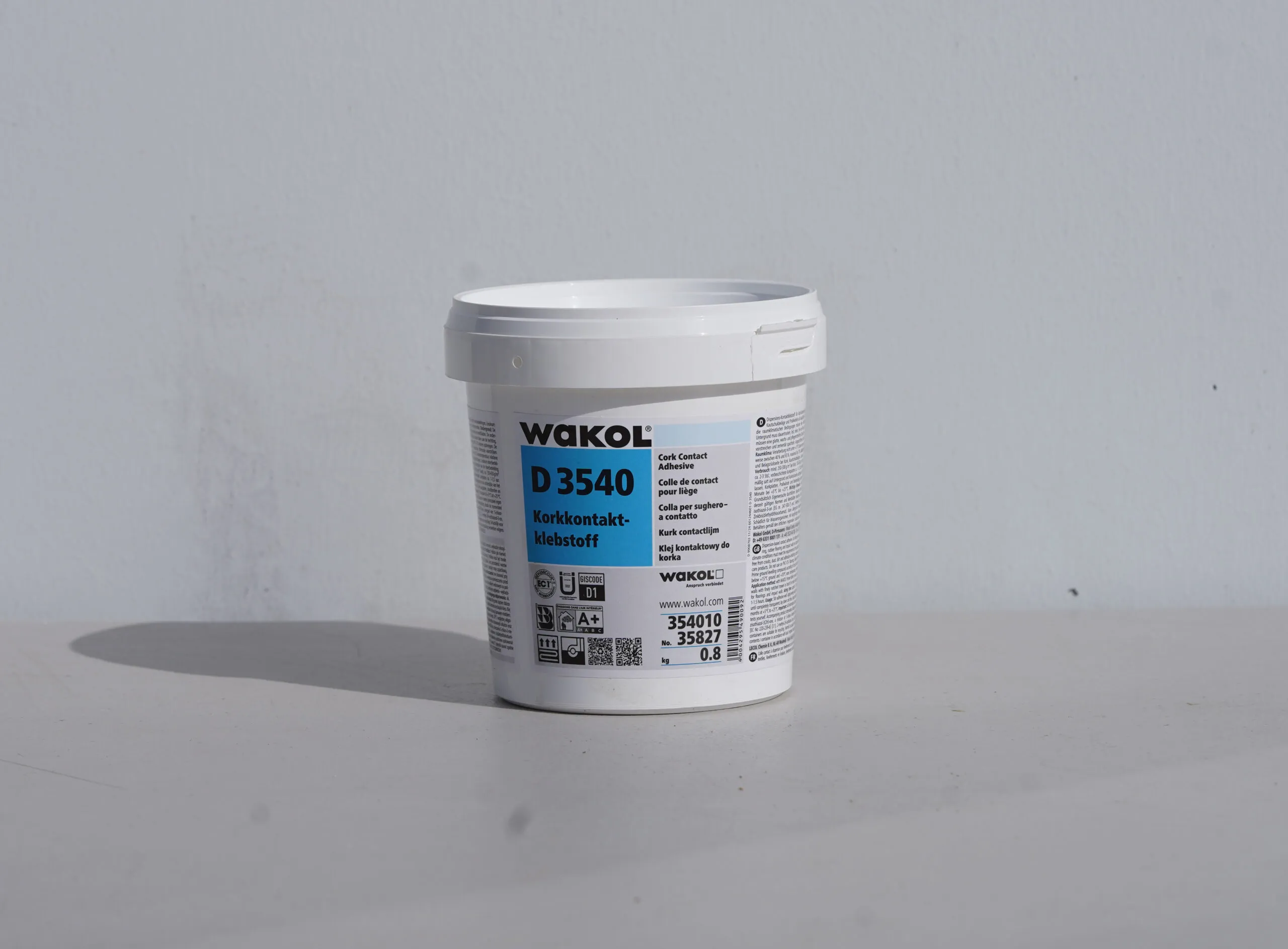
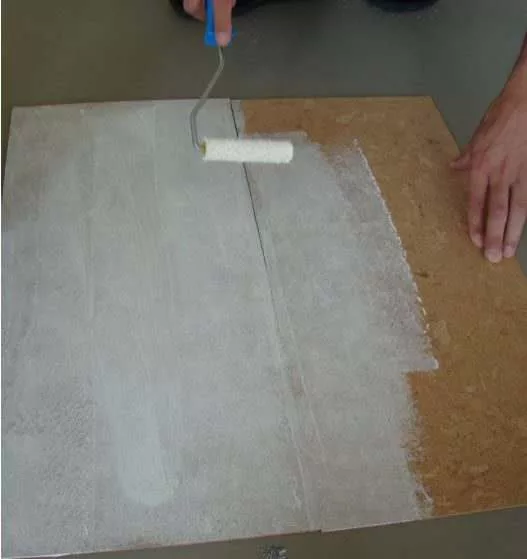
A Cork Flooring Tiles are 100% cork without any form of fibreboard to interfere with cork’s famous water proof properties. Glue down cork floors require site-finishing to maintain a water proof finish. Without the site-finish, water and dirt will enter the seams of the floor and make their way to the adhesive. Once there, the dirt will act as an abrasive that will slowly eat away at the bond with the subfloor. After a short amount of time (7-10 years) an unsealed cork flooring tiles will begin to fail. The edges will begin to open up to allow more dirt and water to enter and the adhesive bond will continue to deteriorate. Beware of glue in place cork floors that do not require site finishing.
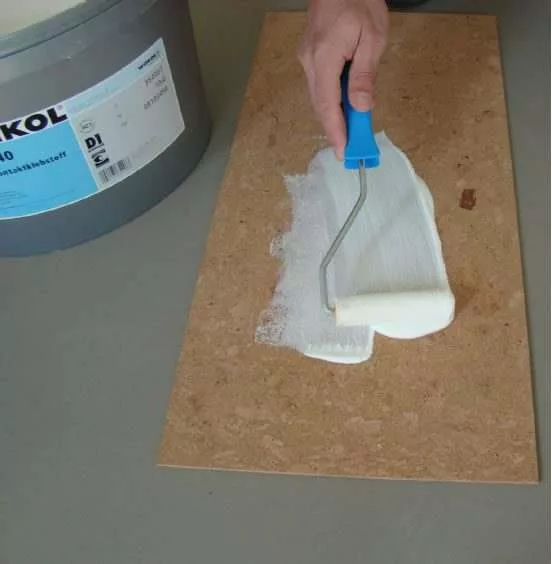
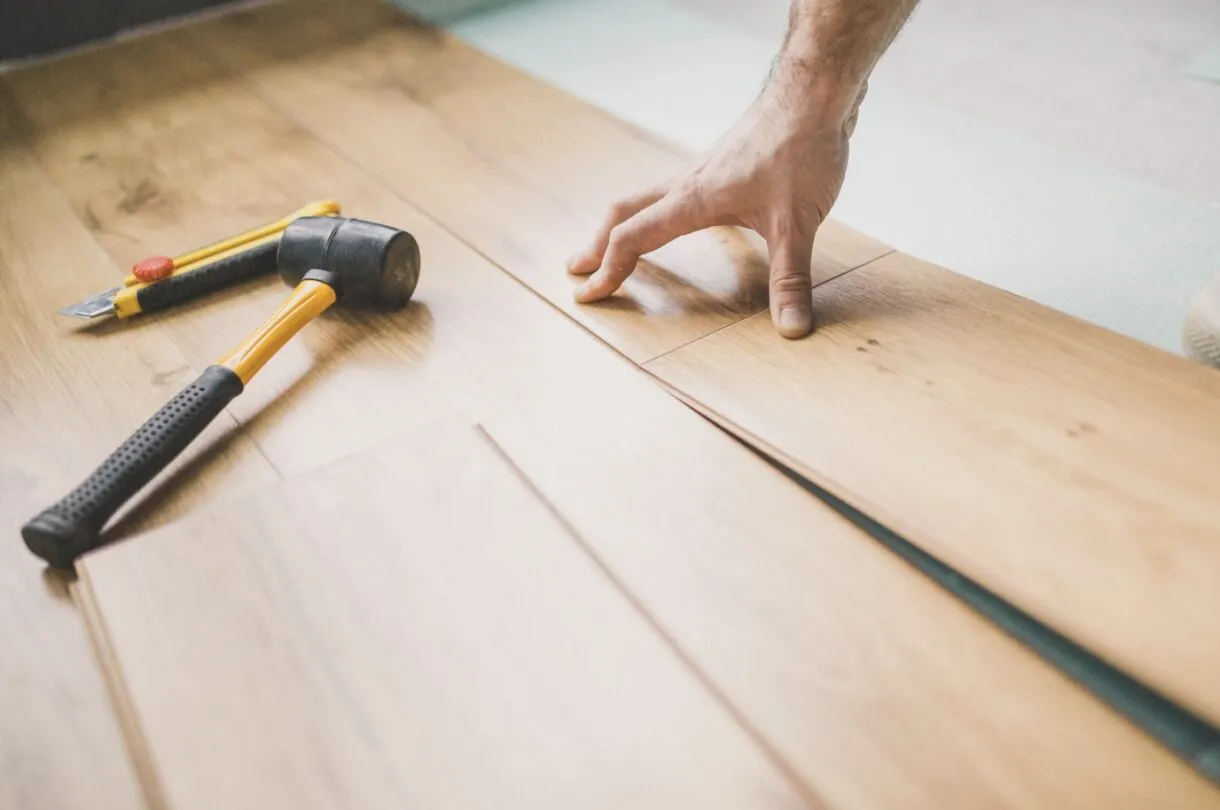
A Cork Floating Floor plank incorporates a middle layer of fibreboard – preferably High Density Fibreboard (HDF) with moisture resistant properties. The middle layer allows for a locking system to be introduced for ease of installation. The middle HDF layer is what makes this floor susceptible to water, moisture and more importantly high humidity. For this last reason, Floating Cork Floor should never be installed in bathrooms with shower or tub.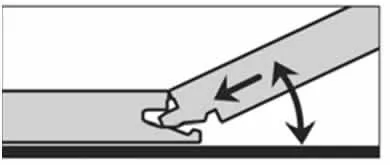
When deciding on which floor to install a quick assessment of where you are looking to install the floor will offer insight into which floor is appropriate. A Floating Cork Floor cannot be installed in a bathroom because of the high humidity. Cork flooring tiles cannot be installed in a basement. A glue down tile can have issues “at grade” if the cement slab it is being glued to does not have a moisture barrier incorporated into it. A glue down tile should be used when installing cork in a laundry room. Washing machines are notorious for leaking or having their drums empty onto the floor. For this reason a water proof floor, such as cork flooring tiles can offer, is the requirement in laundry rooms.
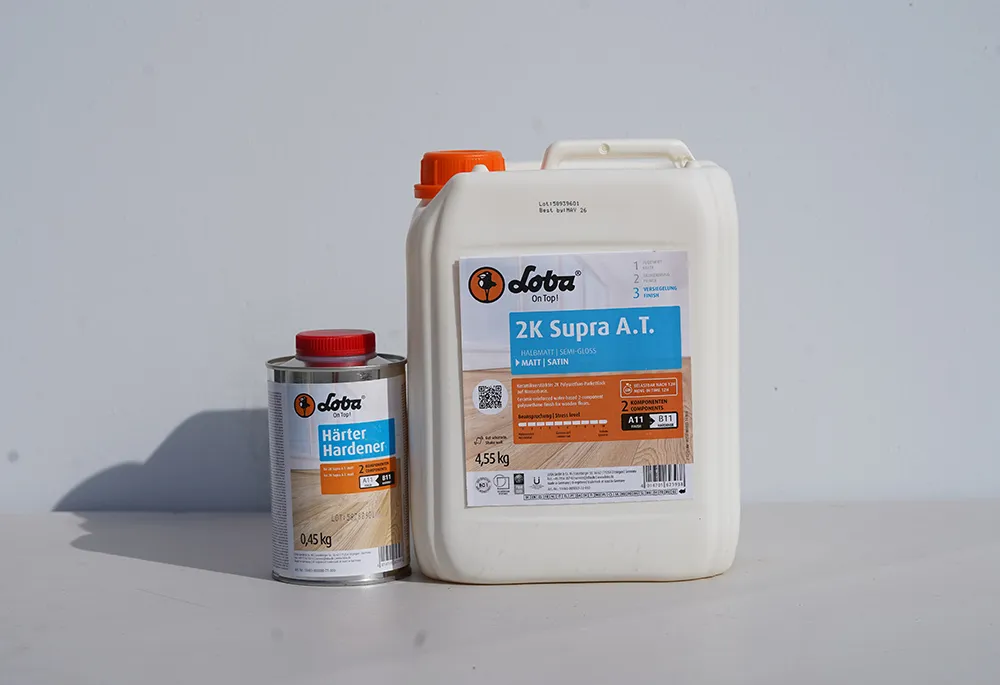
These restrictions are the basis for knowledgeable decision as to which floor should be used. In all other installations the Cork Floating Floor and cork flooring tiles are interchangeable. Personal preference now takes precedence. A cork floating floor can be made water resistant with 2 coats of appropriate site finish (such as Loba 2K Supra AT or Loba WS 2K Supra). The two coats of finish seal the seams against surface moisture.
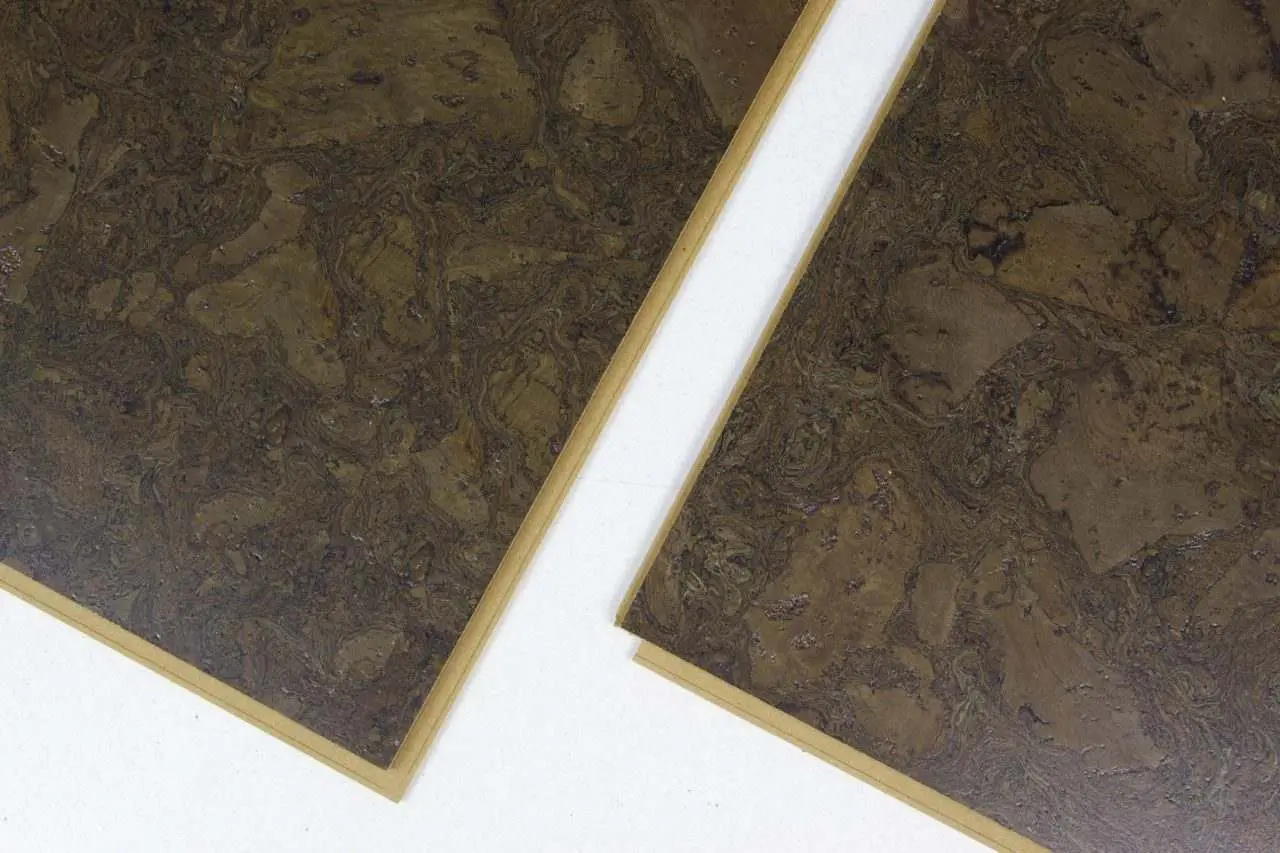
Because a cork floating floor can be site finished – just like its glue down cousin – a click-together cork floor is allowed in kitchens and entranceways. Kitchens, unlike bathrooms, are more likely to suffer surface moisture rather than humidity – which is what prevents the Cork Floating Floor from being allowed in bathrooms.
It is true, a glue down cork floor is the Gold Standard for quality cork flooring, the cost and duration of installation should be balanced against the need and budget of the homeowner. Preparation of subfloor materials often adds $1.00/sf more to the cost of materials. The liquids required to install a cork glue down floor will add another $1.20/sf onto the total. Cost of labour to install the glue down tile is often double, triple and even quadruple the rate of installing a Cork Floating Floor. The time it takes to install a glue down tile is normally double the time it takes for the Cork Floating Floor. This does not include subfloor preparation. When everything is accounted for, the glue down floor can be as much as four times longer to install. For this reason alone, a glue down cork floor is often more expensive than a Cork Floating Floor. Don’t let the cost of materials make you feel like the glue down is a cost effective option. In fact, the Cork Floating Floor can save time and money.
To ensure you are choosing the correct flooring type for your project, please contact iCork Floor LLC.
Turn cork flooring questions into the right product path
FAQ visitors are ready for a decision path: samples first, then floating cork, glue-down cork, underlayment, wall tiles, accessories, or specialist help.
Turn FAQ research into a sample-first buying path
FAQ visitors need a clear route from questions to samples, installation type, accessories, shipping, and specialist help before choosing full boxes.
Frequently asked questions
What cork flooring questions should I answer before buying?
Confirm room use, installation type, subfloor, moisture, samples, accessories, finished height, maintenance expectations, shipping, and whether floating or glue-down cork fits best.
Should I order cork samples before full boxes?
iCorkfloor recommends samples so buyers can compare color, texture, thickness, finish, and lighting before ordering full flooring or wall tile boxes.
Can a specialist help compare cork with hardwood, vinyl, laminate, or tile?
Yes. A flooring specialist can help compare cork with other surfaces by comfort, sound control, installation method, room use, budget, and project risk.
 Flooring
 Wall & Ceiling Tiles
 Cork Underlayment
 Supplies & Guides