 Ships USA-wide

Ceiling tile answer
Cork ceiling tiles and glue-down wall tiles
Cork ceiling tiles and glue-down wall tiles can add natural texture while helping soften reflected sound. Compare samples, adhesive, surface prep, tile thickness, room lighting, and installation instructions before ordering.
- Use cork ceiling and wall tiles for feature ceilings, studios, offices, restaurants, bedrooms, and home theaters.
- Confirm adhesive, substrate, layout, and ceiling suitability before installation.
- Order samples to compare color, surface texture, thickness, and lighting.
Cork Ceiling Tiles and Glue-Down Wall Tiles
The 3mm, 6mm or 12mm cork underlay would not be the right choice. It would look ugly (like a cork board glued to your ceiling) and it would crumble to the floor inside of a year or two.
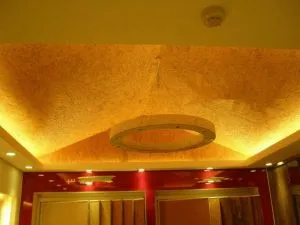
We’ve had several clients use a 6mm white cork glue down tile as their ceiling tiles. Again, this is permanent. The ceiling must be smooth and free of paint. If the ceiling is painted, a latex paint primer can be used over the paint. Once the primer has dried, you may begin gluing the 1ft x 2ft tiles to the ceiling.

Other people have attached the cork tiles to plywood and then mounted the cork/plywood combination to the ceiling using 3″ screws as anchors. This is the least permanent solution…it can be taken down when you move. If you have a concrete ceiling, you would have to use a concrete/stone bit on your electric drill to drill anchor holes. You would then use concrete anchors (tapcons) and proper adhesive/mortar to mount the screws into the concrete.
The easiest way to get “quiet” is to have the neighbors install a cork floating floor over top of cork underlay. Technically it is the easiest…but also the most expensive and the least likely to happen.
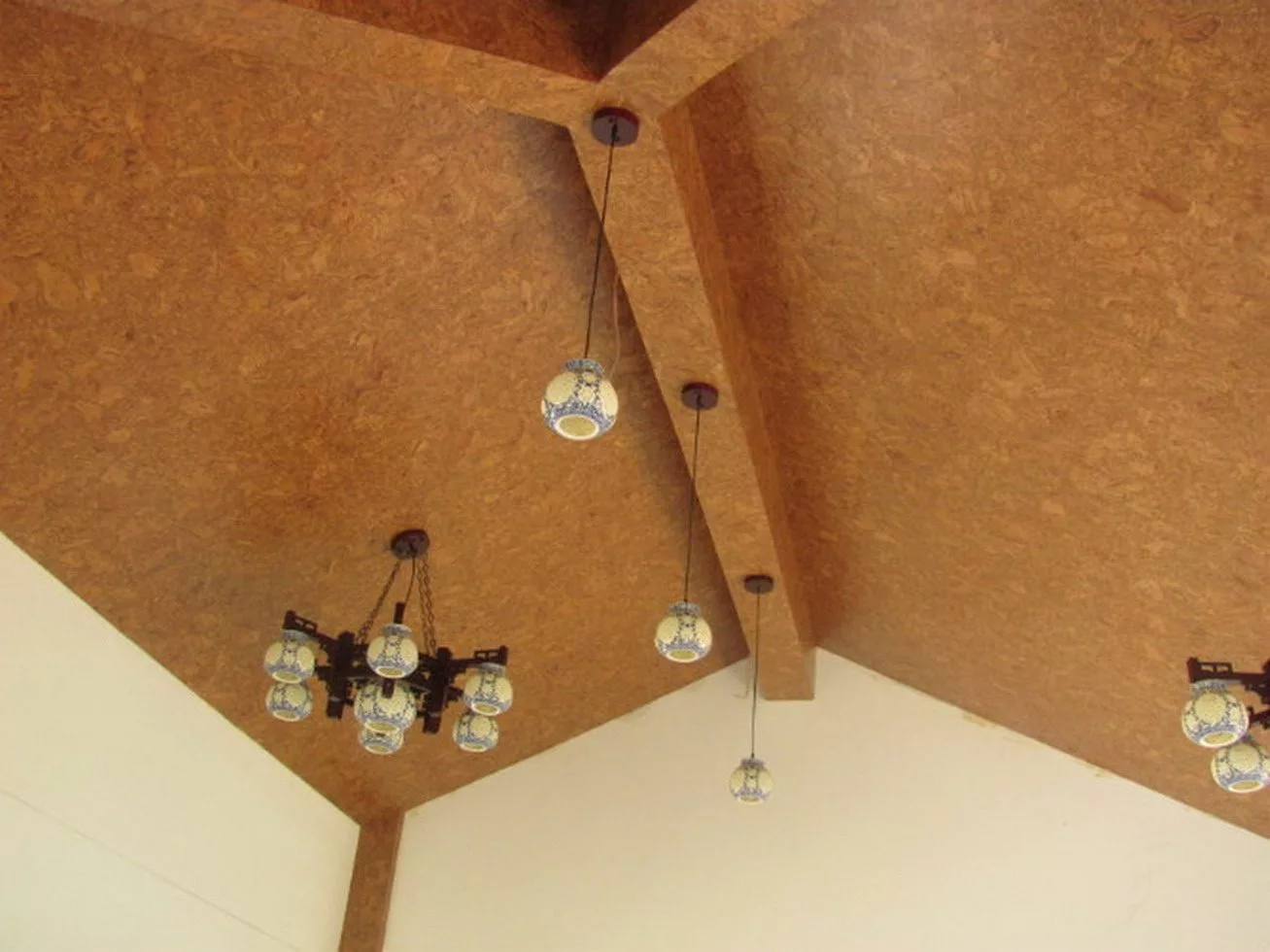
Our glue down cork tiles are easily applied to walls and ceiling. You can view all 30+ glue down tiles on our website. We also carry 3 distinct “wall tiles” which are only allowed on walls/ceilings. They are not flooring tiles so they are not listed in the “glue down” tile section (glue down = floor tiles that can be used on walls and ceilings).
We recommend working with thick glue down cork tiles (6mm or 8mm) for cork ceiling tiles. Our clients all swear by the thick cork (insulation + acoustic). You can order free sample of cork tiles. This way you have a full understanding of cork tiles. Once you have the samples in hand, you can make your decision as to which product (and how much) goes where (in the home). You can then ask for a quote based on color and square footage. We will be happy to write up a quote at that time.
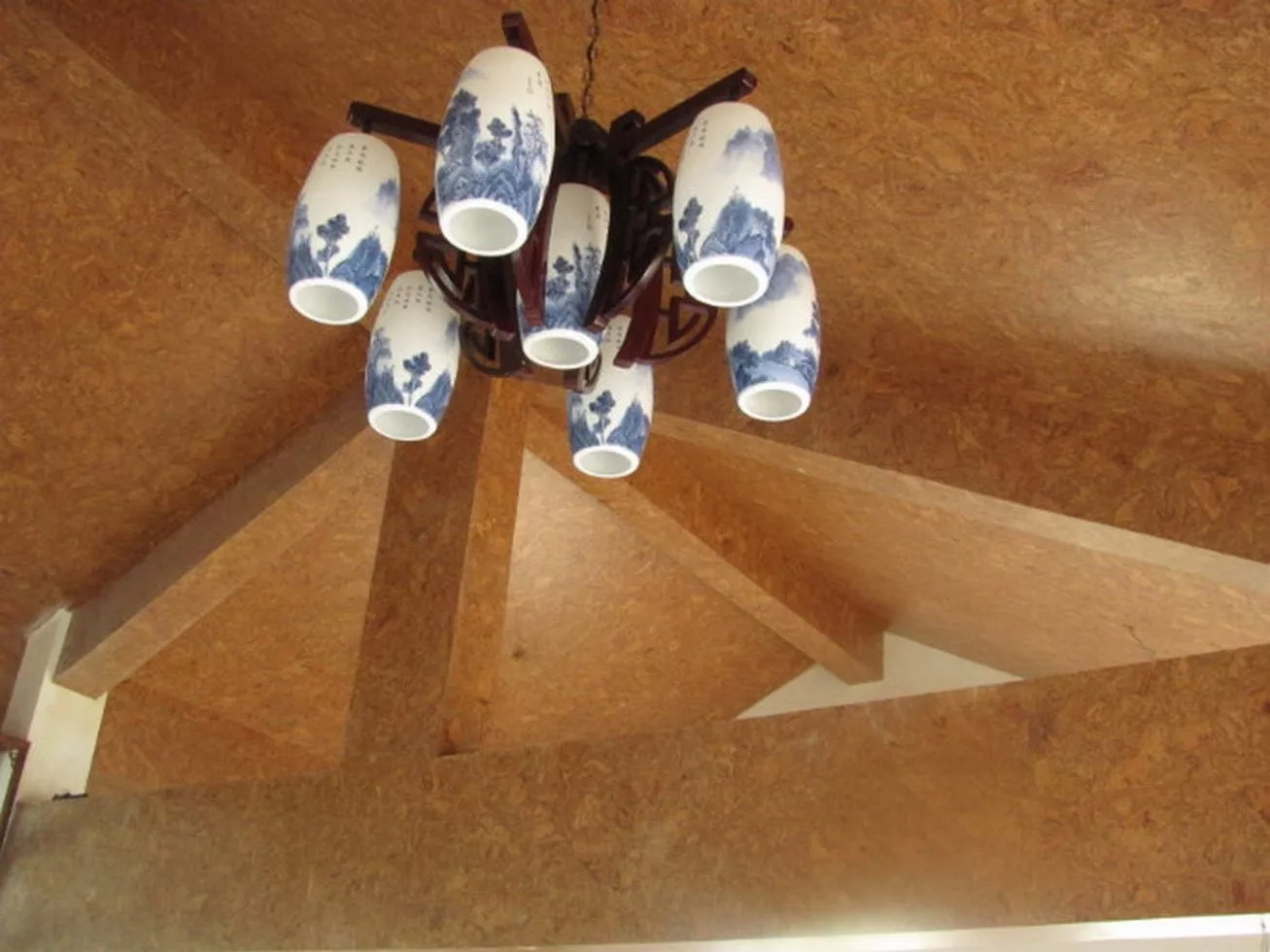
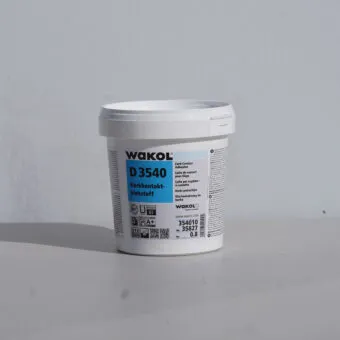
Walls and ceiling can have 4mm if you wish. If you feel that the 6mm/8mm thickness works on your walls/ceilings, you are welcome to use them as per your need. Please be aware that all glue down tiles require 2 coats of Loba 2K Supra AT once they have been installed. Floors require the 2 coats whereas cork walls and ceilings tiles can get away with 1 coat. You will also require the Wakol D3540 Cork Adhesive to complete your cork wall or ceiling job. The water based adhesives only work with plywood…not OSB or particle board. Please check your surface.
Cork IS THE insulator. The only thing that out performs cork (re: thermal insulation) is “felted wool” (the stuff used to make yurts/gers in Mongolia). Cork ranks #2 in the world for thermal insulation (second behind felted wool) and #2 in the world for acoustic insulation (second behind solid rubber).
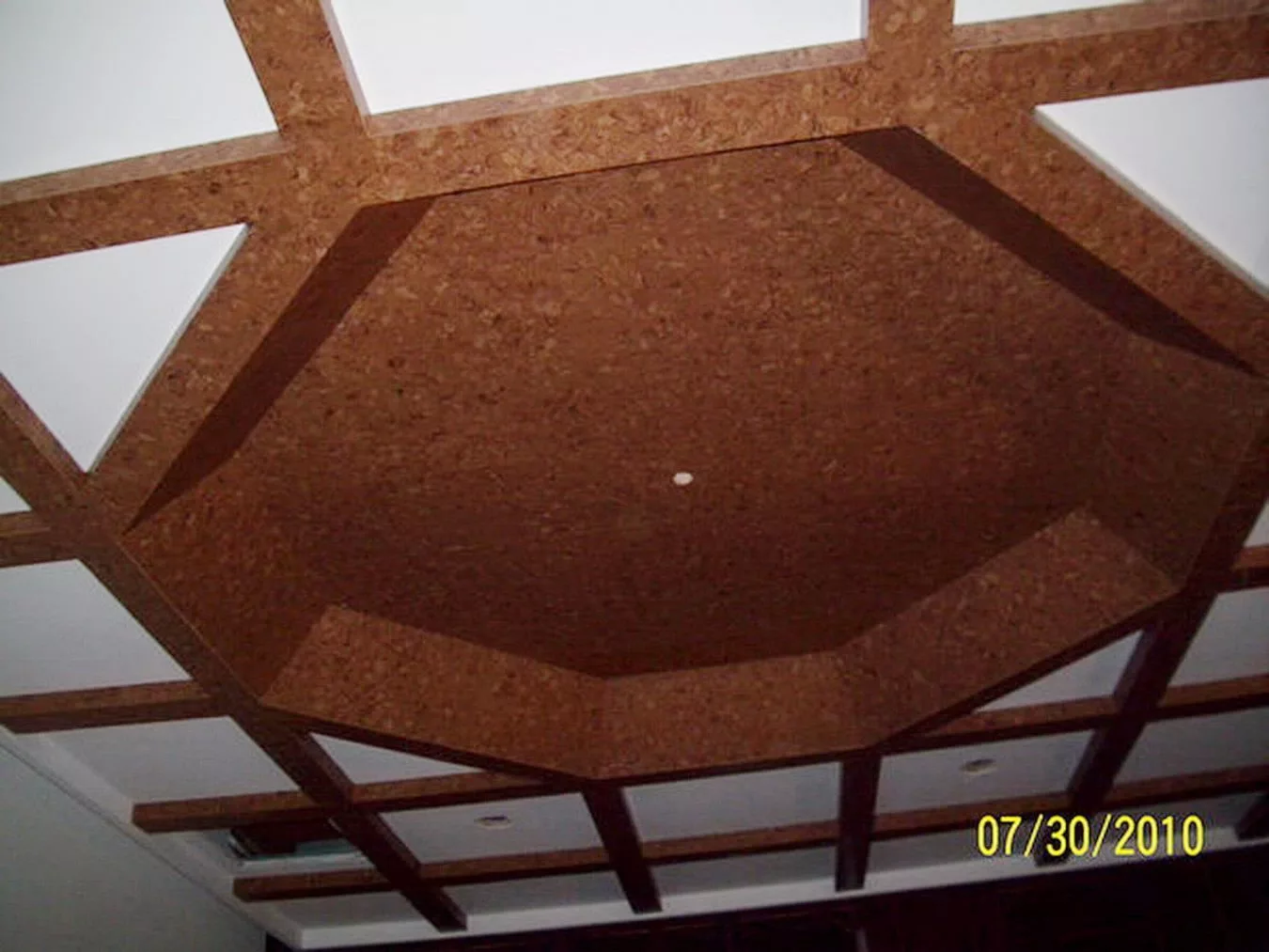
Anytime you install a glue down cork tile (ceiling, floor, wall, backsplash, counter top, etc) it SHOULD BE sealed once installed. Cork tiles “shrink”…like all wood it will slowly lose moisture/bulk over time. This shrinking means the edges of the unfinished tiles will shrink back causing gaps or spaces. Once this happens the cork needs to be replaced.
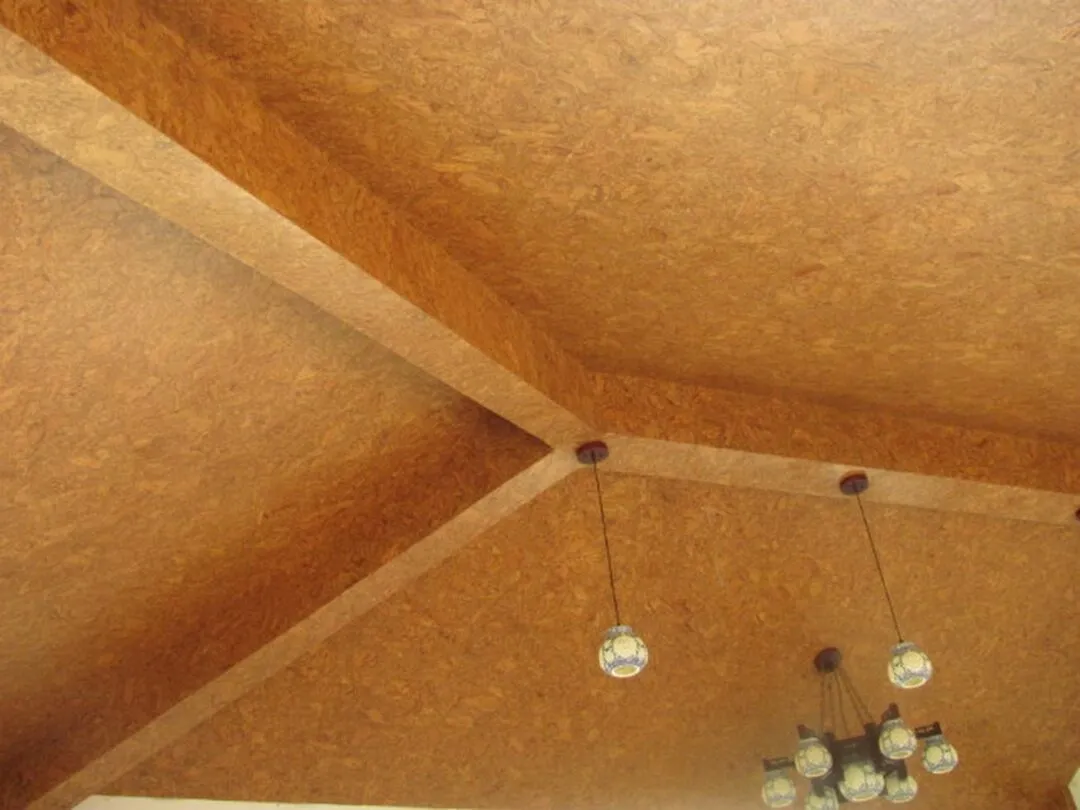
Plan a cork ceiling and wall tile project
Check ceiling suitability, substrate, panel weight and adhesive or fixing requirements before ordering.
Check wall and ceiling installation requirements
Confirm ceiling suitability, panel weight, substrate and the specified adhesive or fixing system.
Frequently asked questions
Can cork ceiling tiles help with room acoustics?
Cork ceiling tiles and wall tiles can help soften reflected sound while adding natural texture, but the result depends on room shape, coverage, product thickness, and installation.
How are cork ceiling tiles installed?
Most cork ceiling projects need a clean, stable substrate, compatible adhesive, careful layout, rolling pressure where required, and product-specific installation instructions.
Should I order cork ceiling tile samples first?
iCorkfloor recommends samples so buyers can compare cork texture, color, thickness, surface depth, and room lighting before ordering ceiling or wall tile boxes.
 Flooring
 Wall & Ceiling Tiles
 Cork Underlayment
 Supplies & Guides