 Ships USA-wide


Installation answer
Glue-down cork tile installation
Glue-down cork tile installation needs flat subfloor prep, compatible cork adhesive, careful layout, rolling pressure, and the specified finish protection before the room goes back into service.
- Order samples first so color, texture, thickness, and finish expectations are clear.
- Confirm adhesive, substrate, moisture, rolling, and finish steps before buying full boxes.
- Use glue-down cork tiles when a bonded installation is better than click-lock floating planks.
Cork Adhesive Processing Instructions
- Apply cork adhesive start with a smooth level and dust free cement based subfloor.

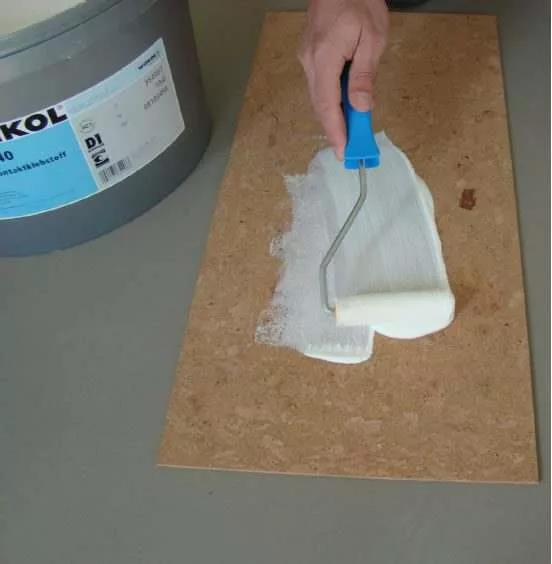
- Apply adhesive with low nap microfibre roller on cork backing.

- Apply adhesive evenly and fully to cork backing, forming a complete adhesive film. Avoid pools of cork adhesive.

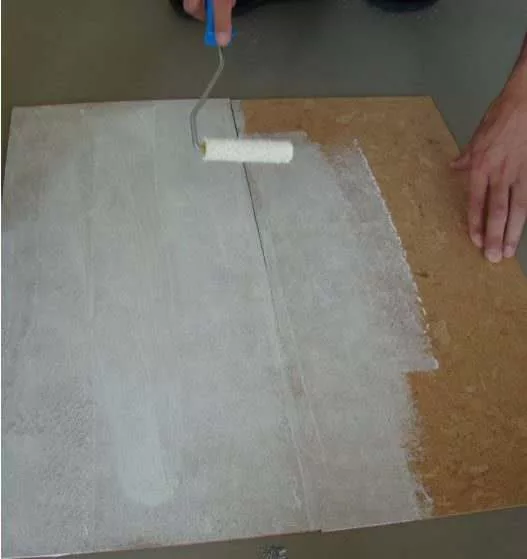
- Apply adhesive with low nap micro fibre roller on subfloor.

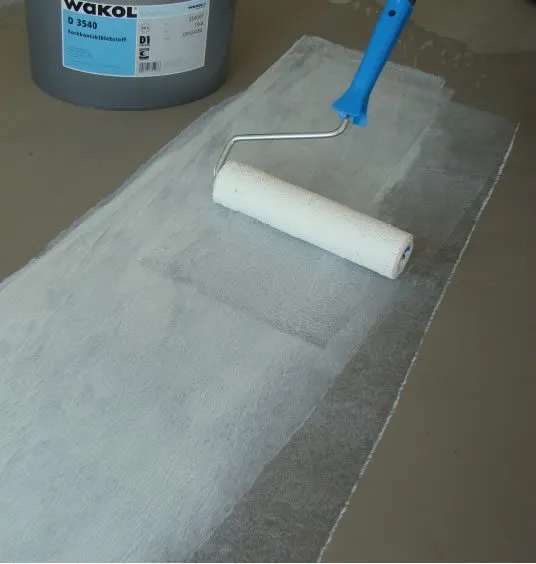
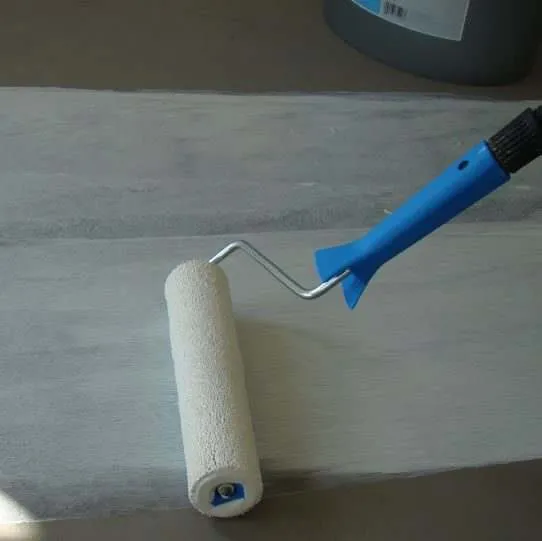
- Apply adhesive evenly and fully to subfloor, forming a complete adhesive film. Avoid pools of the adhesive.

- Wait until both adhesive films are dried and completely transparent (should be 45 – 60 minutes).

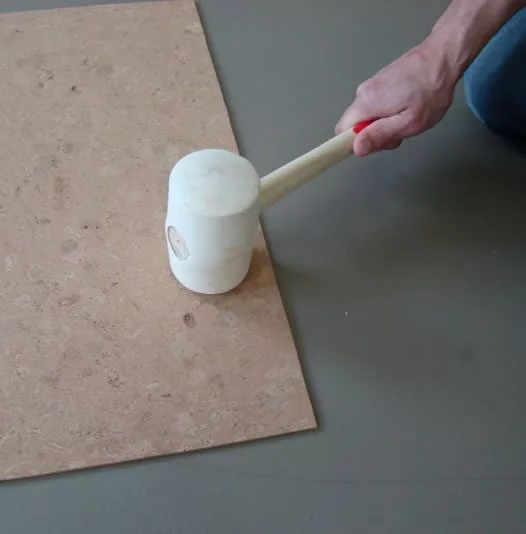
- Lay down the cork tiles to fit and knock tightly and completely with a rubber hammer to ensure a complete bond formation.

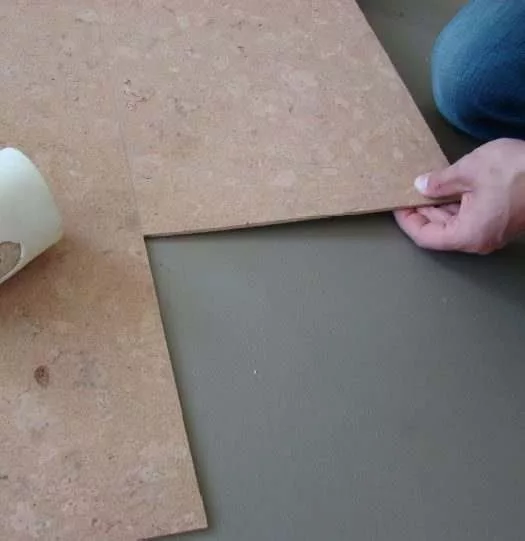
- Lay down further cork tiles to fit and knock tightly with a rubber hammer.
- Roll the floor using 75 lb – 100 lb roller. This can be done after a quadrant has been completed or at the end of the day or both.

Why Water-Based Contact Cement Is Essential for Cork Glue-Down Tiles
Modern cork tiles use water-based binders and finishes. Install them with the specified water-based contact cement. Solvent-based adhesive can break down the cork binders and permanently damage the flooring.
The Role of Water-Based Contact Cement
Water-based contact cement is the preferred adhesive for installing cork glue-down tiles. Unlike traditional “wet set” glues, contact cement requires application to both surfaces: the back of the cork tile and the subfloor (usually concrete or plywood). After application, both surfaces must be allowed to dry or “flash” before bonding.
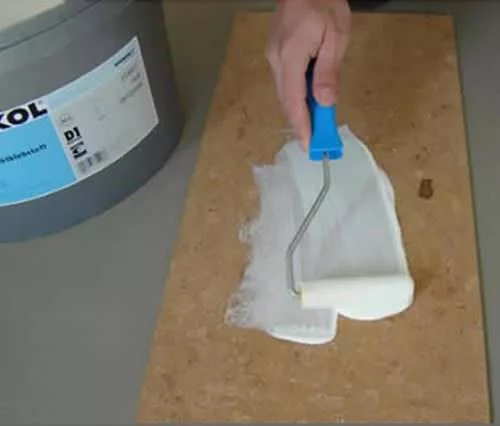
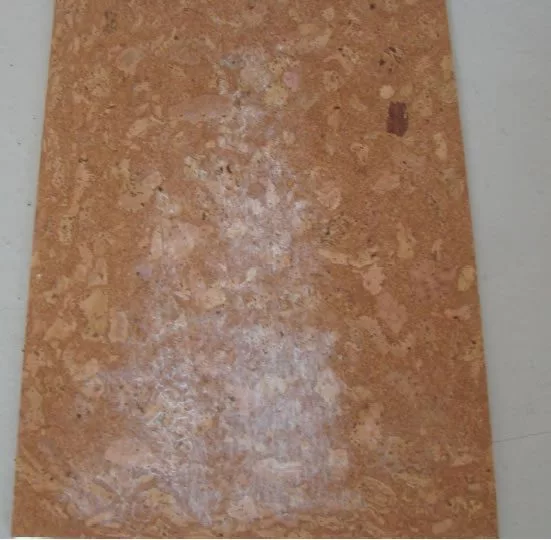
Observe the specified adhesive flash time. Installing cork tiles into wet adhesive can cause swelling, warping or curling, even if the floor initially looks level. Moisture-damaged tiles may need removal and replacement; follow the adhesive and flooring instructions.
Benefits of Water-Based Contact Cement
Water-based contact cement reduces moisture exposure during installation. The adhesive, typically applied as thickly as mayonnaise on bread, dries within 60 minutes, preserving the natural shape and integrity of the cork tile. Once dry, tiles can be pressed into place in a precise and methodical layout.
To maintain adhesive performance, it’s essential that the glue applied to the subfloor remains clean and untouched. Walking over the dried glue compromises the bond. That’s why it’s best to work in quadrants and use chalk lines every few rows to keep the pattern straight and consistent.
Availability in North America and Europe
Water-based contact cements are widely available through professional flooring suppliers.
In the USA, however, suitable options are more limited. Here are some trusted water-based contact adhesives that are approved for use with cork glue-down tiles (listed in order of manufacturer preference):
Approved Water-Based Contact Adhesives:
-
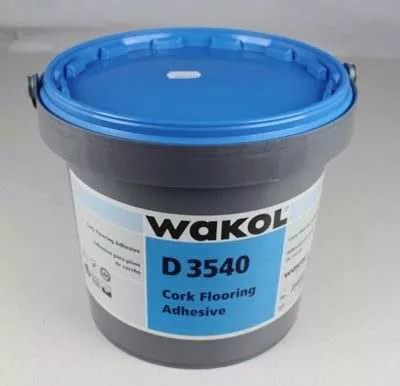
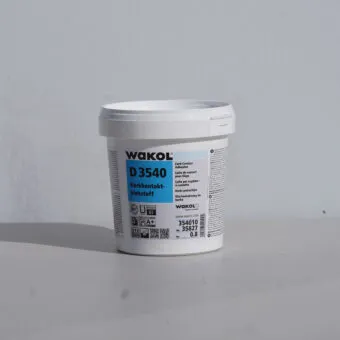
Wakol D3540 – Professional-grade and widely used by installers
-
Roberts R1030 – Reliable and readily available in North America
-
LePage Pres‑Tite Low‑Odour Contact Cement – Excellent for residential installations
-
3M Fastbond 30-NF Green – Industrial-grade, for professional use only
⚠️ Important: If you’re considering an adhesive not listed above, consult Cork Technical Support before purchasing. Using an unapproved product could result in installation failure and voided warranties.
Plan glue-down cork tile installation
Check the cork tile, adhesive, substrate preparation and finish requirements before ordering.
Plan glue-down tile installation
Check the room, subfloor, adhesive, finish and layout before ordering glue-down cork tiles.
Frequently asked questions
How do you install glue-down cork tiles?
Glue-down cork tiles need a flat, clean, dry substrate, correct cork adhesive, layout planning, rolling pressure, and finish protection according to the product instructions.
Do cork tiles need adhesive?
Yes. Glue-down cork floor tiles require compatible adhesive and substrate preparation. Floating cork planks are the better path when a click-lock installation is preferred.
Should cork tiles be finished after installation?
Many glue-down cork installations need the specified finish or top coat after installation. Confirm the product instructions, room use, and maintenance plan before starting.
Should I order cork tile samples before installing?
iCorkfloor recommends samples so buyers can compare color, thickness, texture, finish, and room lighting before ordering glue-down cork tiles.
 Flooring
 Wall & Ceiling Tiles
 Cork Underlayment
 Supplies & Guides